Level crossings in Latvia. Comparing crossings before modernisation and removal decisions
Latvia keeps upgrading and removing its level crossings, with SJSC Latvijas dzelzceļš (LDz) managing the inventory, the Valsts dzelzceļa tehniskā inspekcija acting as the railway safety authority, and the Transporta nelaimes gadījumu un incidentu izmeklēšanas birojs investigating accidents.
The following sections present the accident record, the level crossing system, the public actors, the periodic risk assessment, and the modernisation programme. The last section covers the territorial context that SAMRoute models.
1. Accident history at level crossings
Across the European Union, level crossings cause about one percent of road fatalities yet account for close to a third of railway fatalities [9, ↗], a risk the EU Agency for Railways finds broadly flat since 2017 [10, ↗].
Latvia has bent its own curve down, with train-collision deaths falling from 33 fifteen years ago to 12 in the last full year as modernisation advanced [16, ↗].
The yearly level crossing accident counts sit with VDZTI, which reports them among the Common Safety Indicators that Latvia submits to the Union [6, ↗].
2. The Latvian level crossing system
SJSC Latvijas dzelzceļš (LDz), the state joint-stock company, manages the national rail network and owns the level crossing inventory, with infrastructure management carried out through its subsidiary LDz infrastruktūra [4, ↗]. The network runs to 1,779 kilometres of track, almost all of it 1,520 millimetre broad gauge inherited from the Soviet period, the 33 kilometre Gulbene–Alūksne narrow-gauge line aside [1, ↗], and carries 652 level crossings [15, ↗]. The stock falls year by year as modernisation and elimination remove crossings [2, ↗].
Only about 68 of them are still attended by staff, and the rest carry automatic barriers and lights or passive protection, so at most of them the road user's judgement decides the outcome [16, ↗].
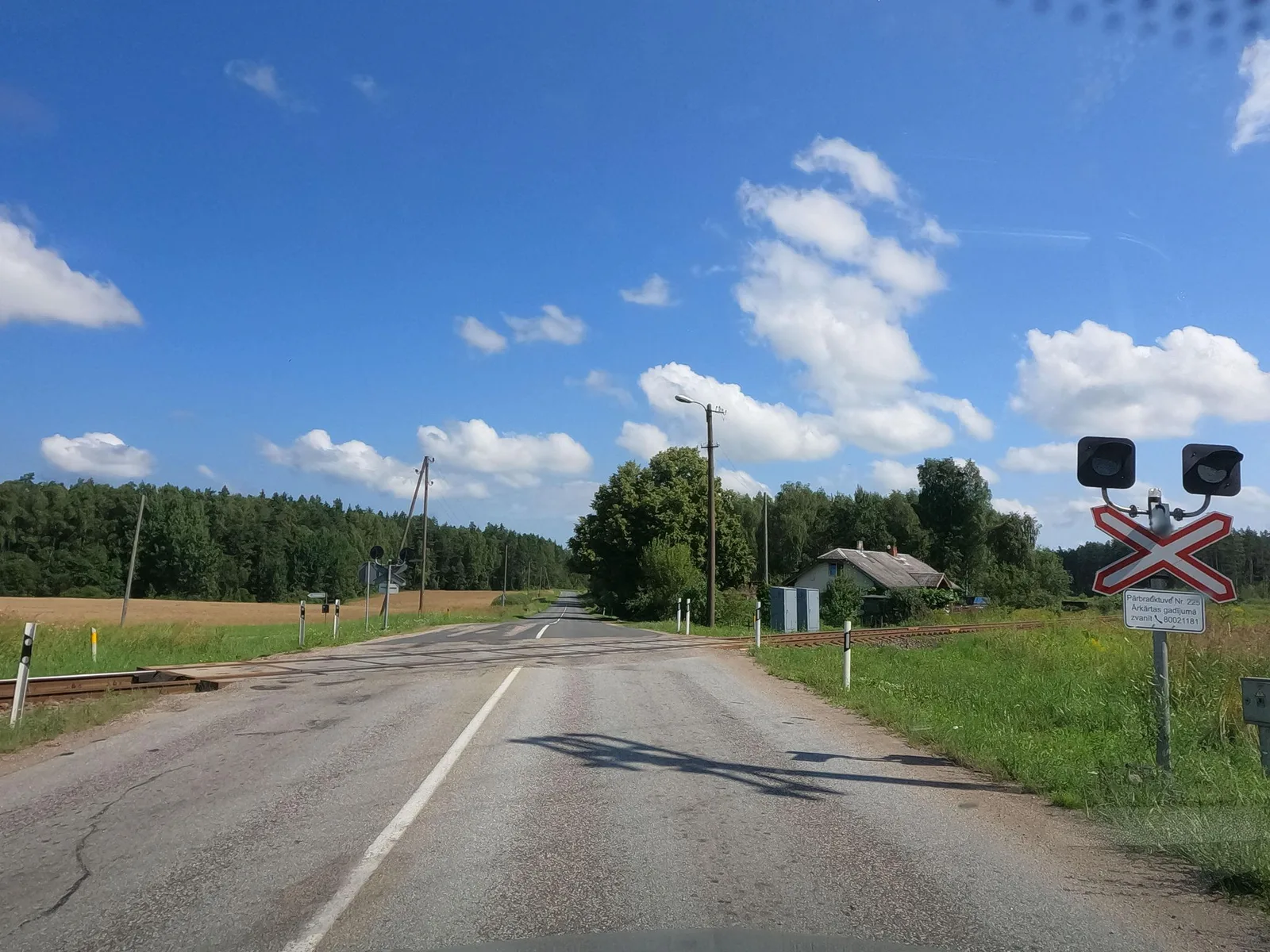
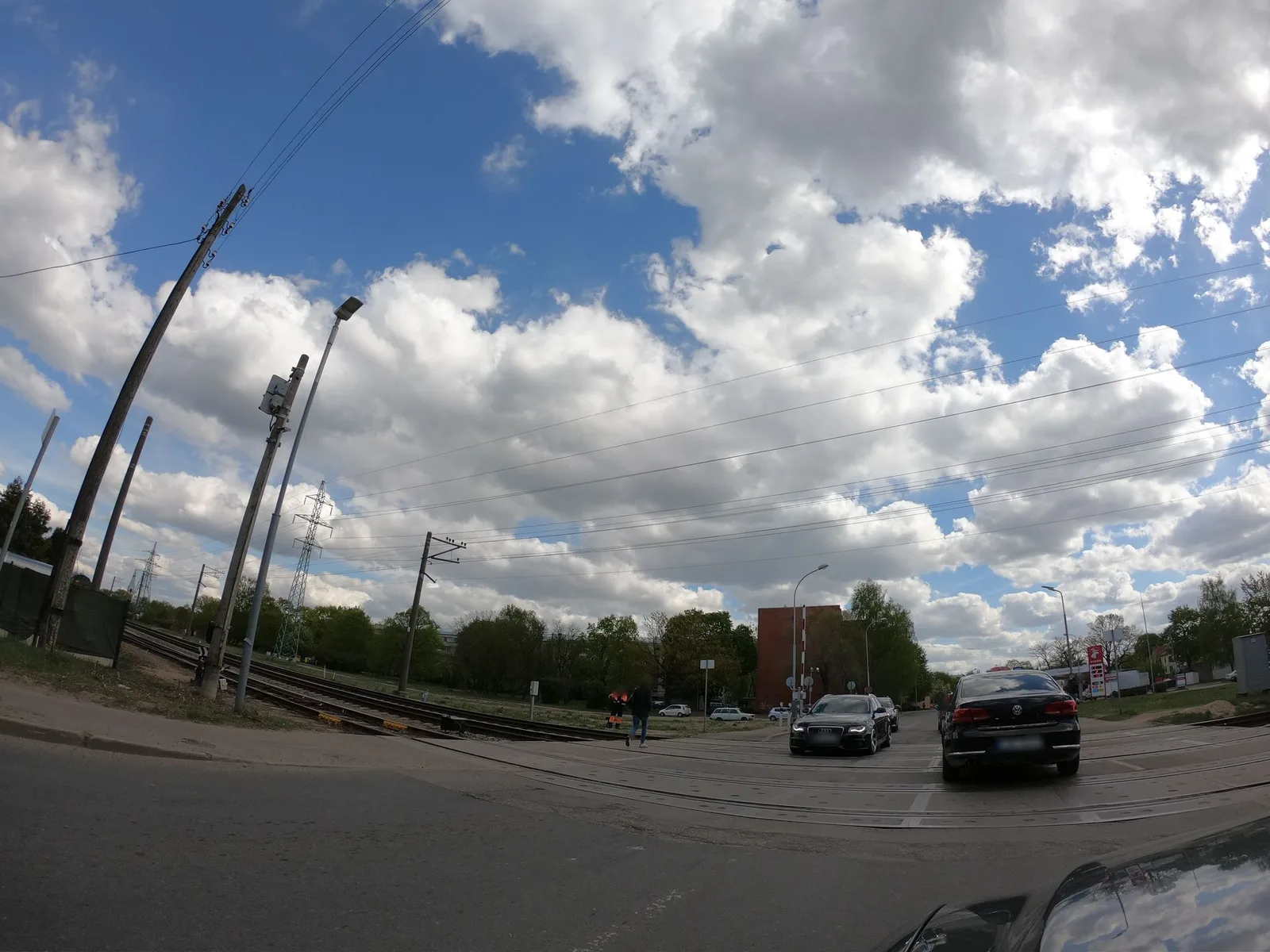
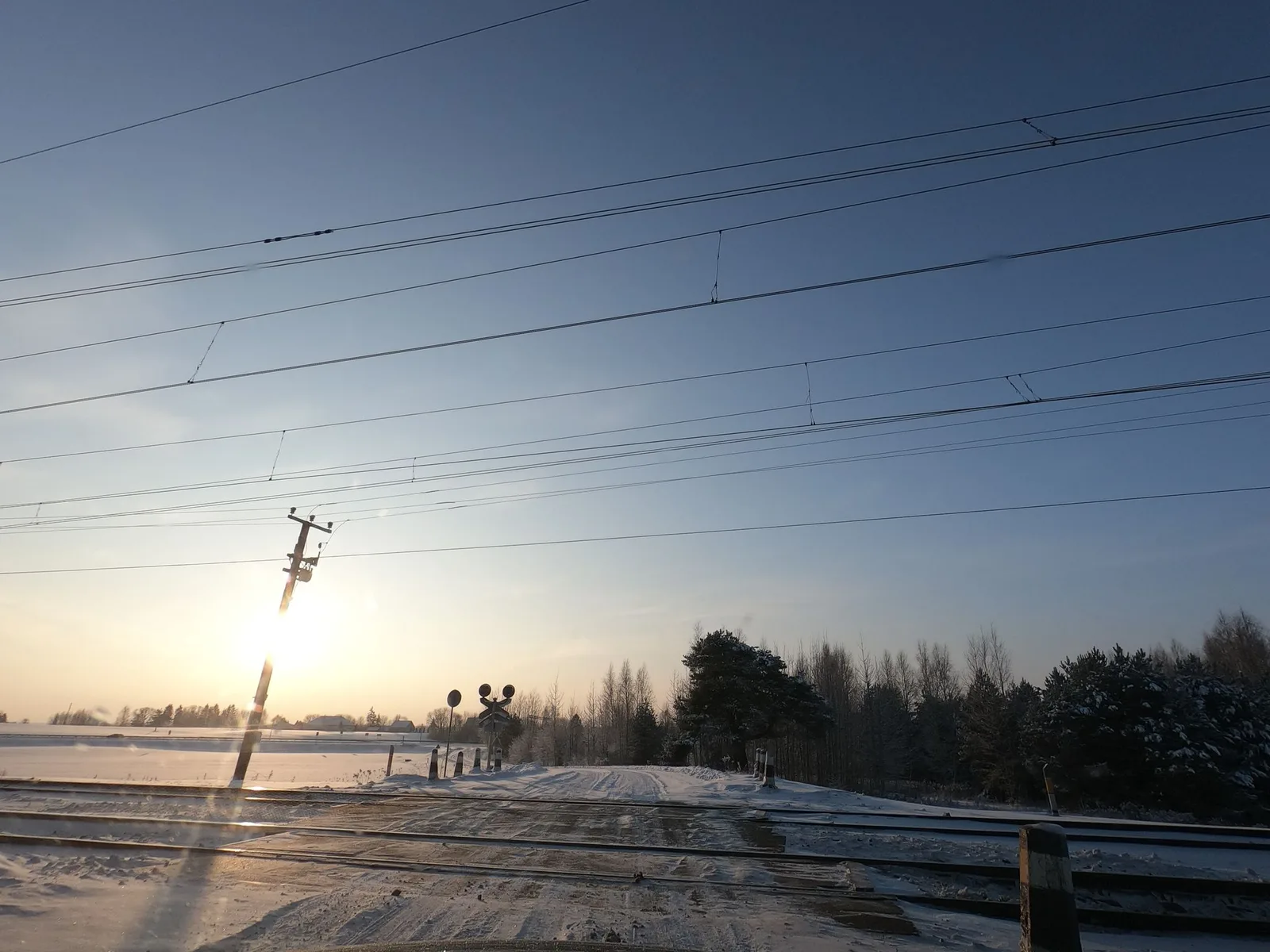
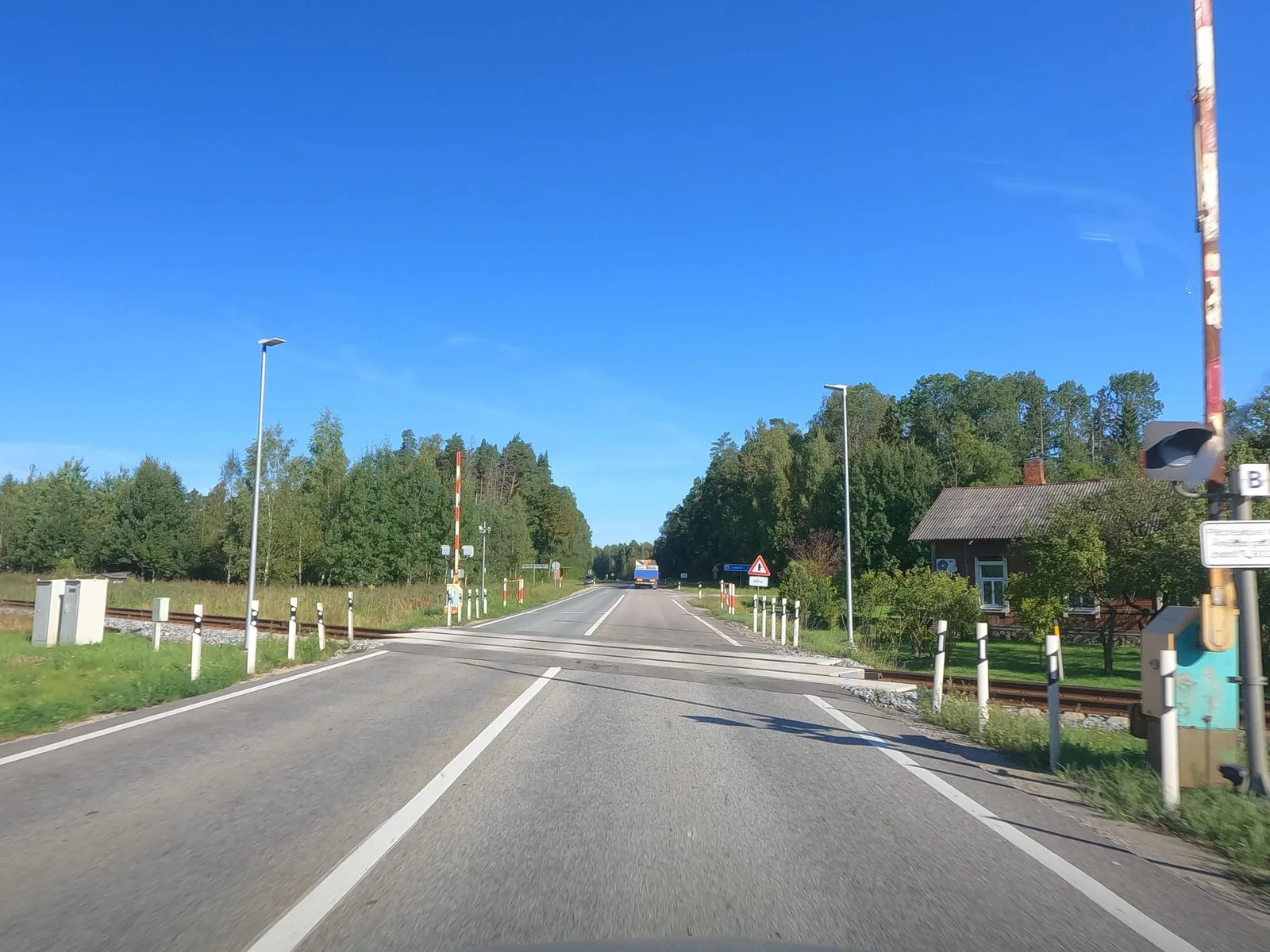
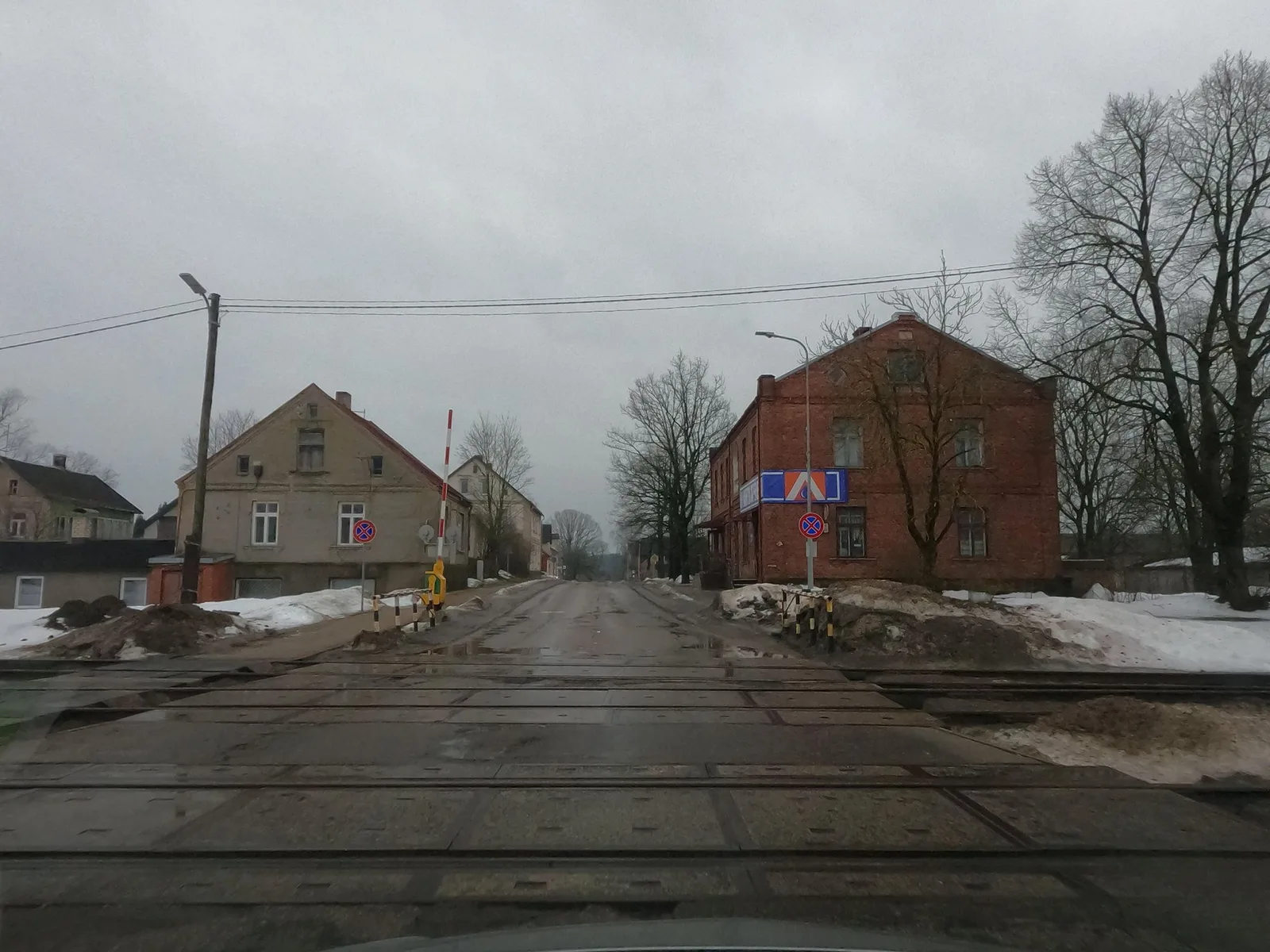
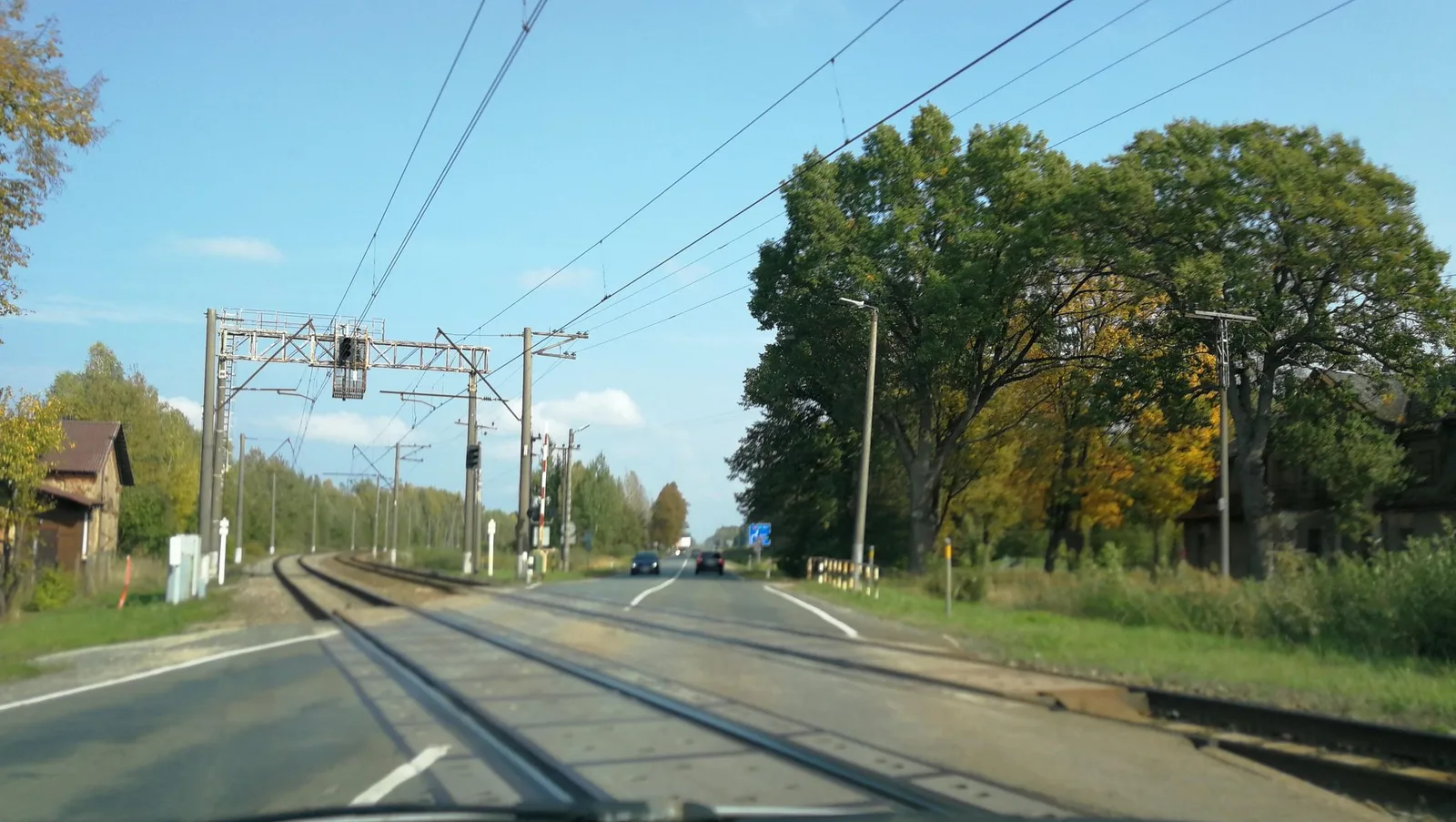
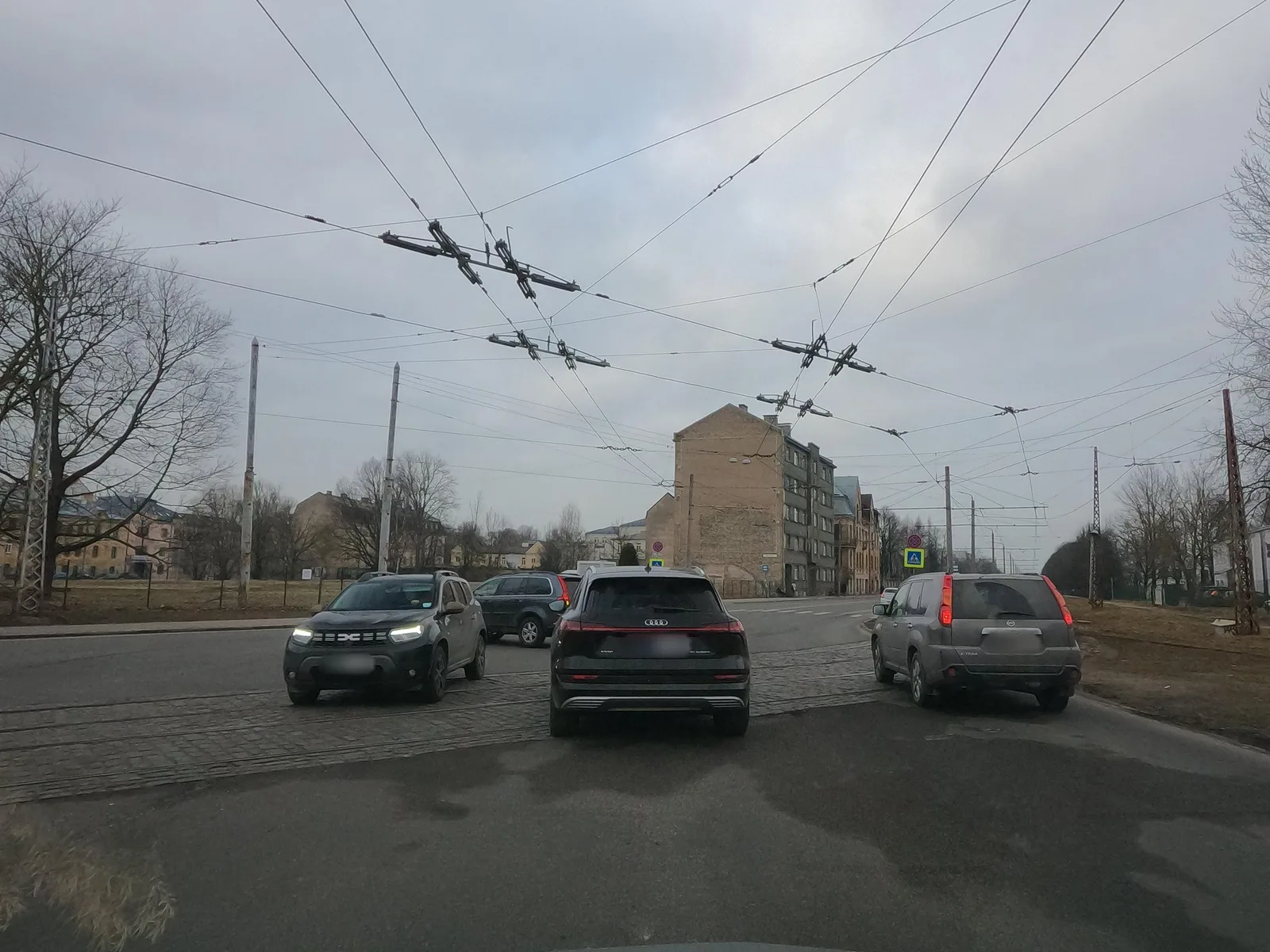
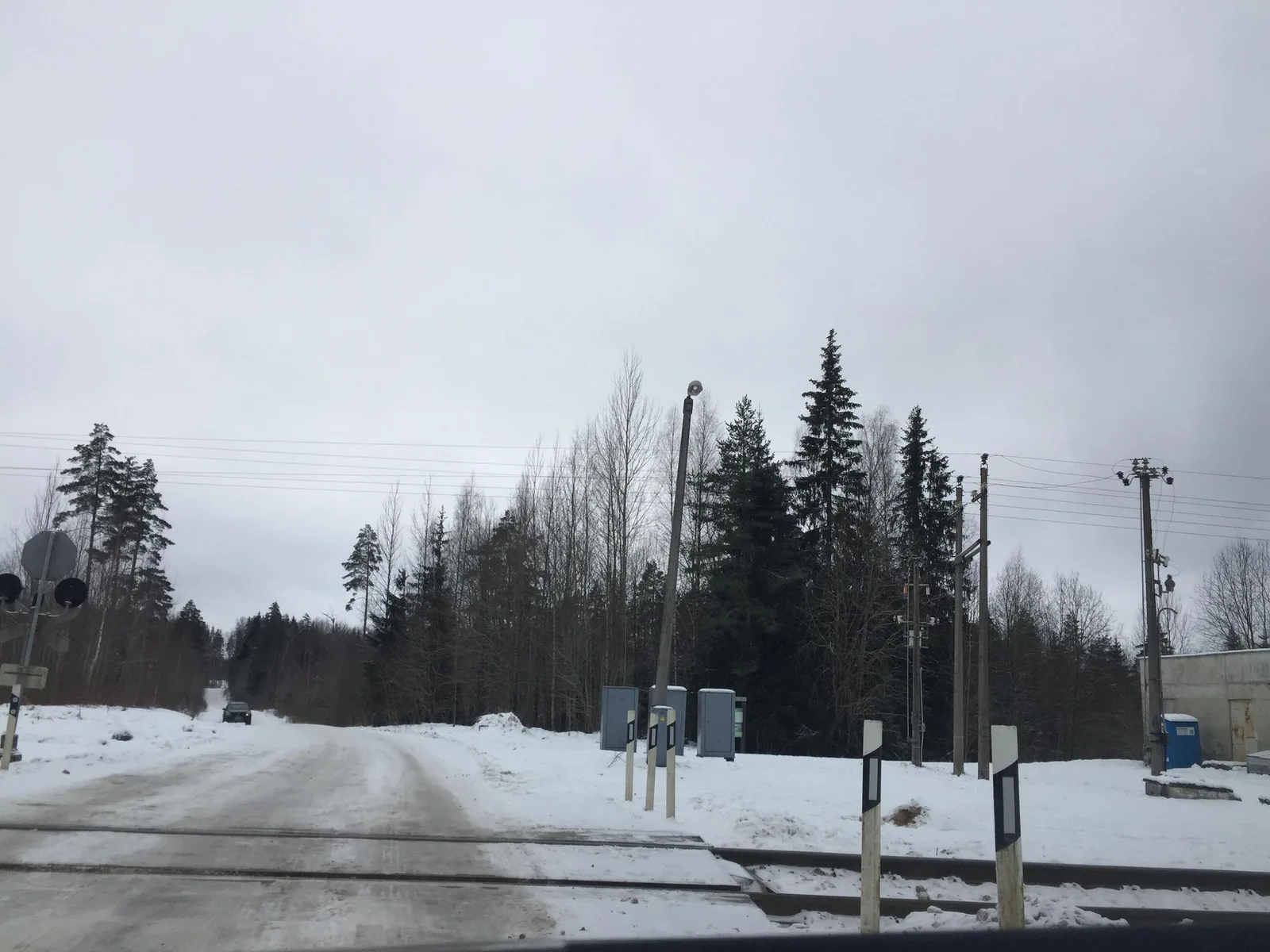
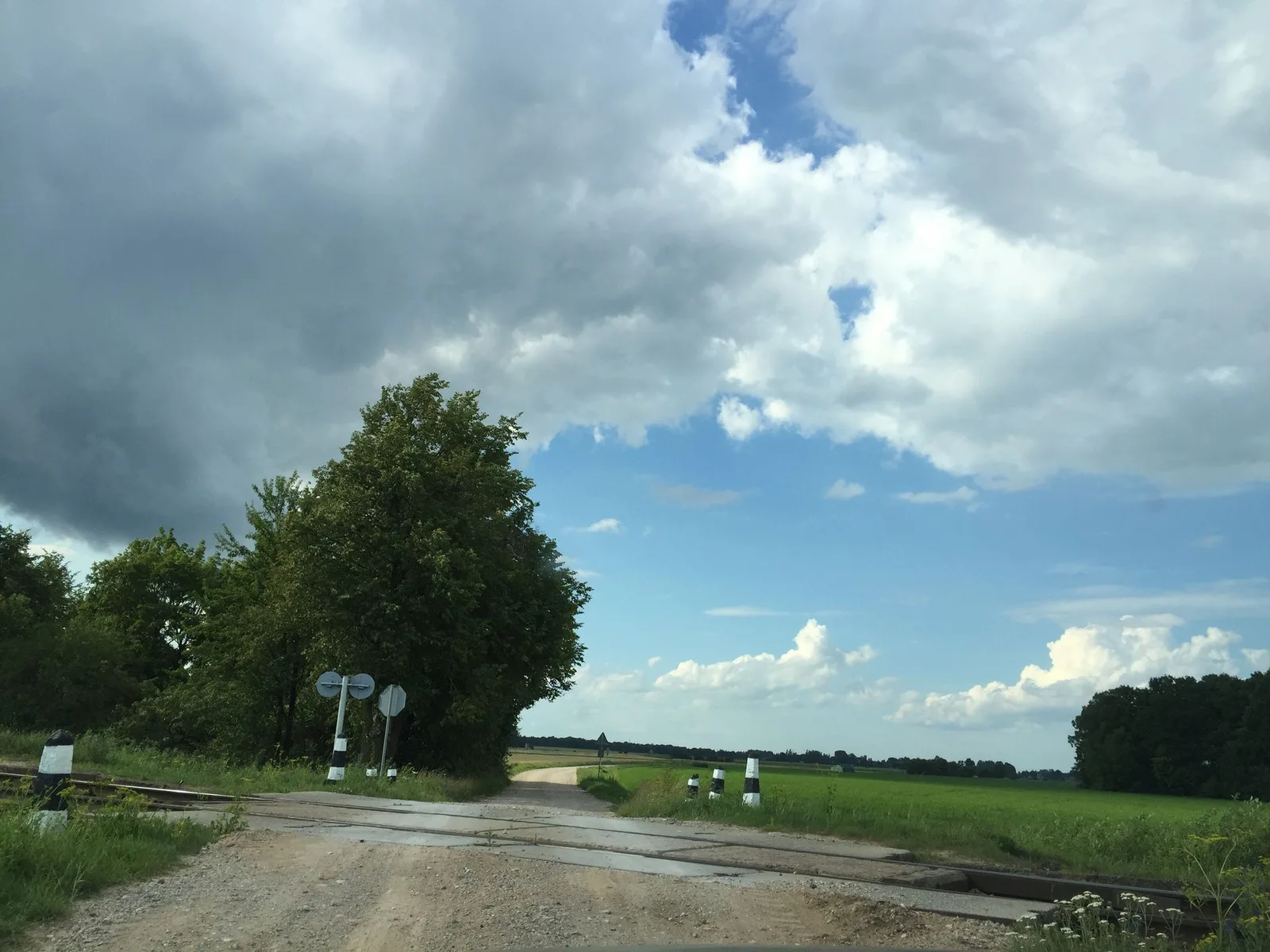
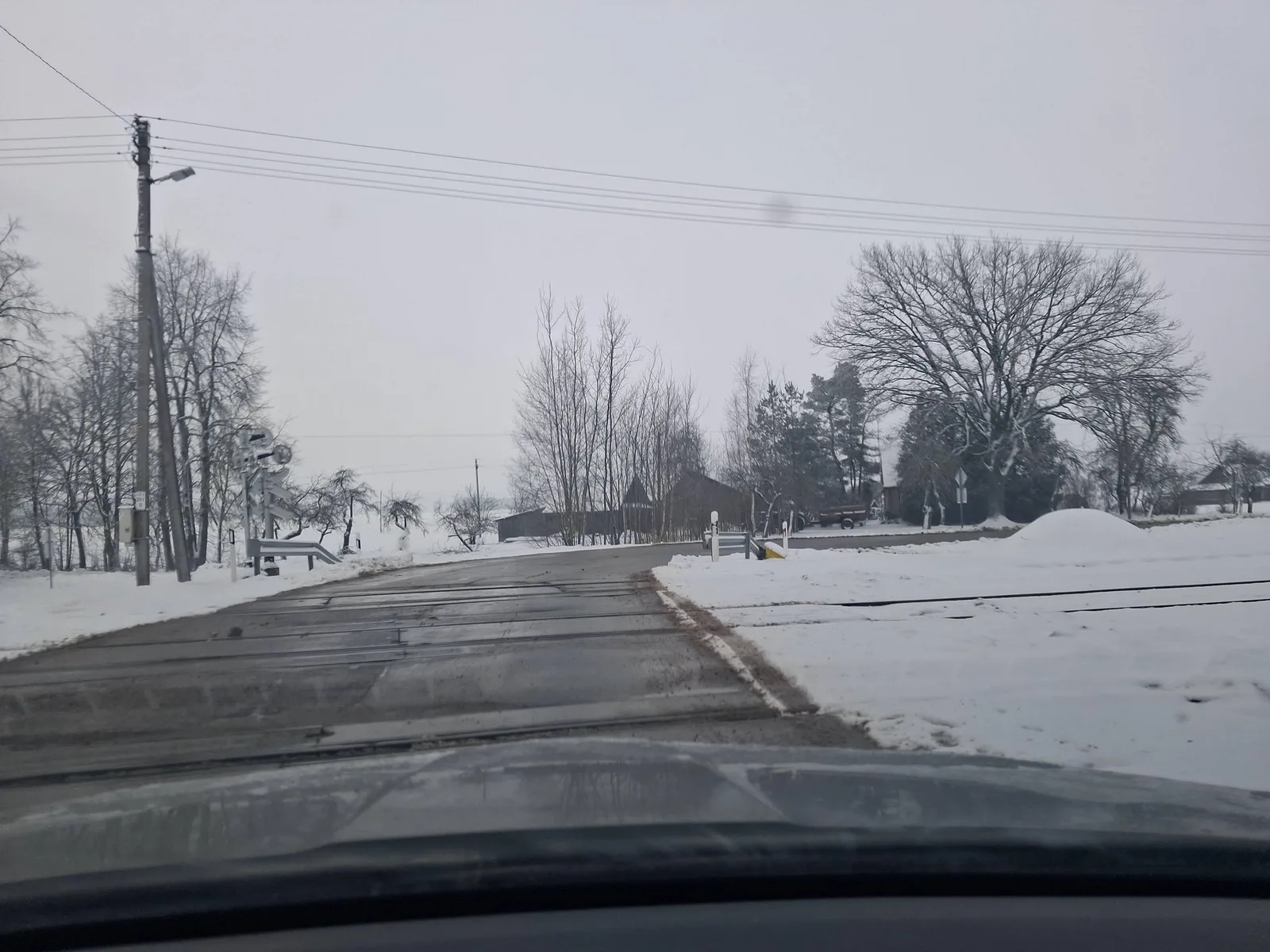
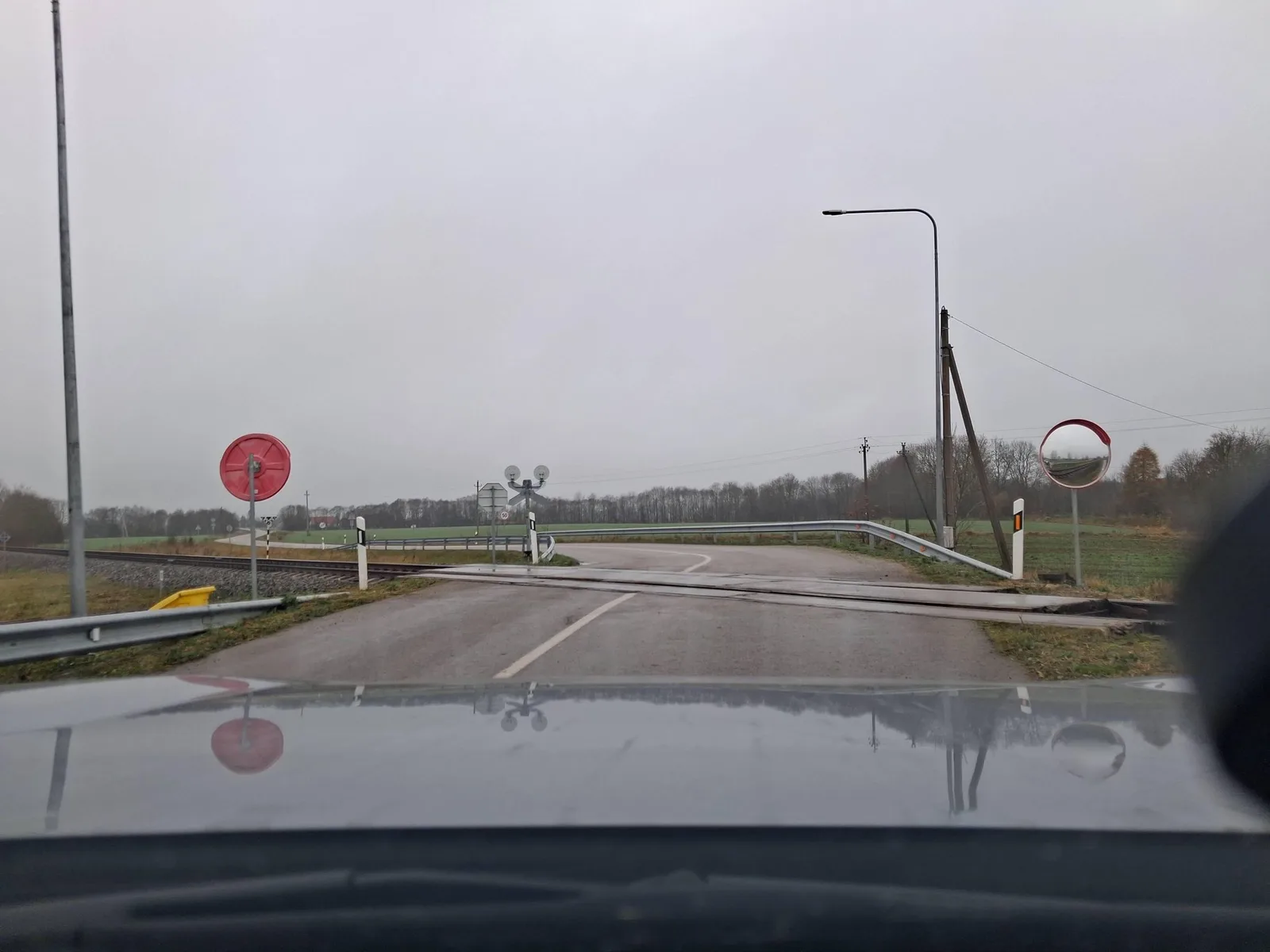
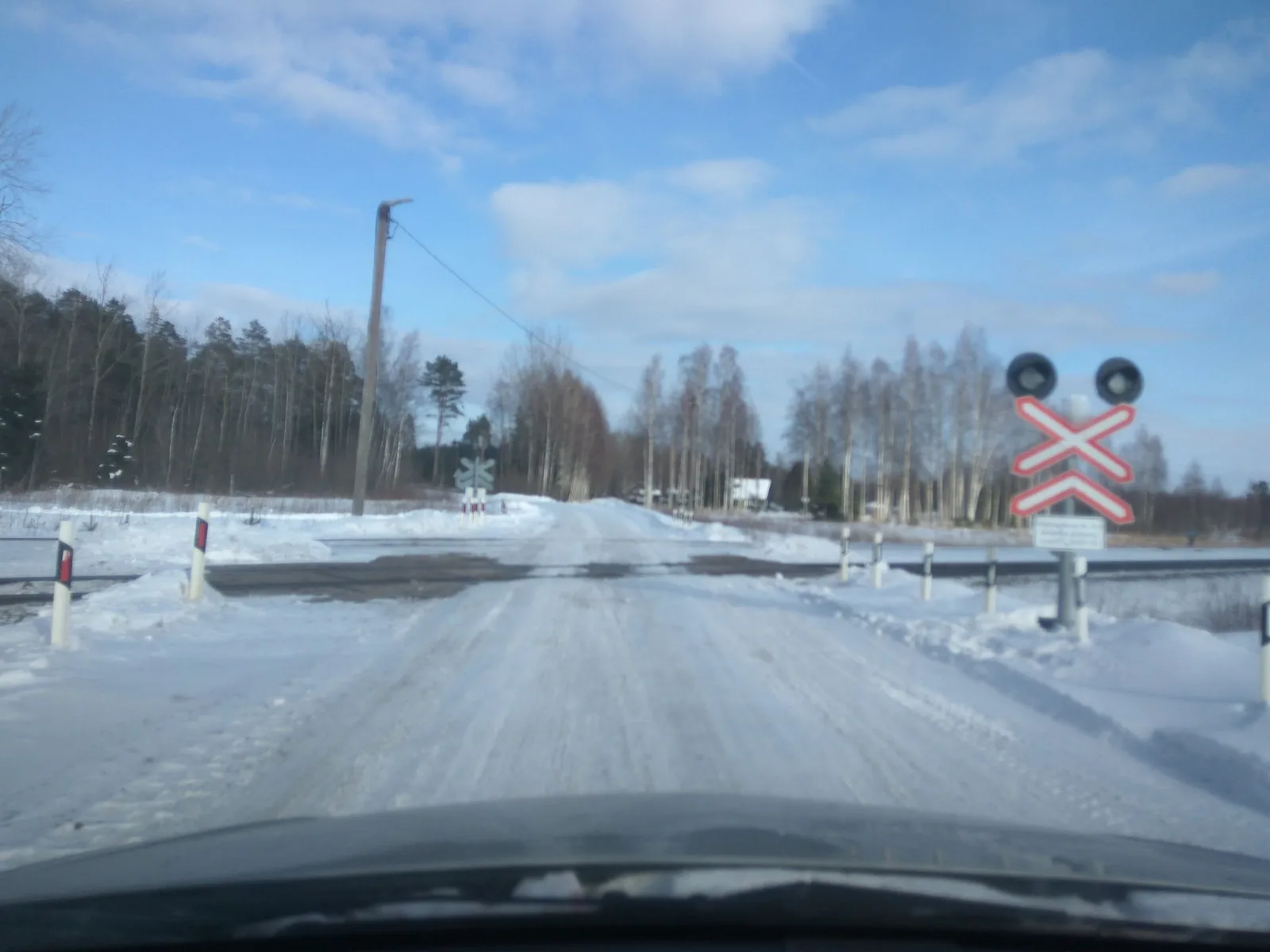
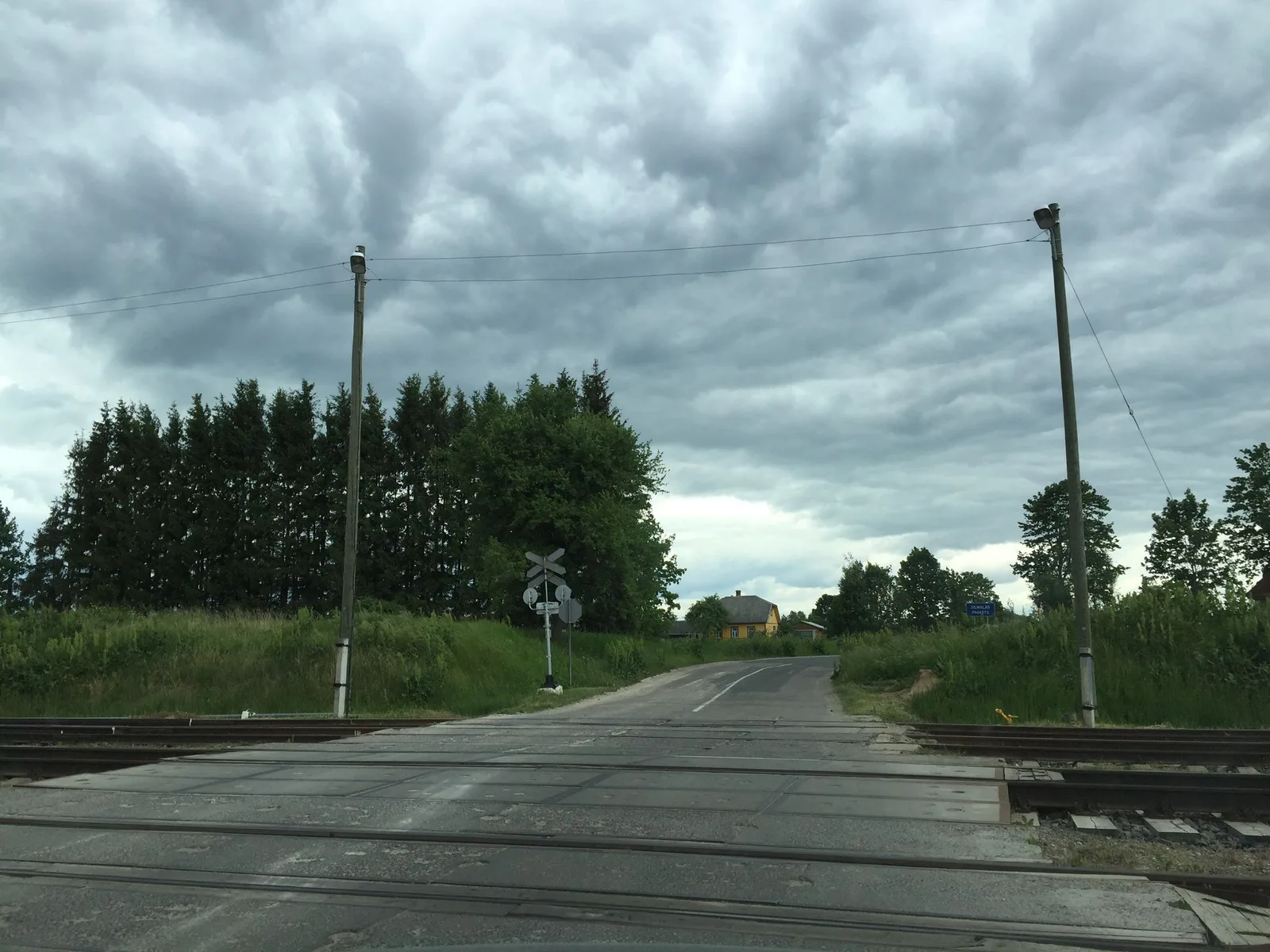
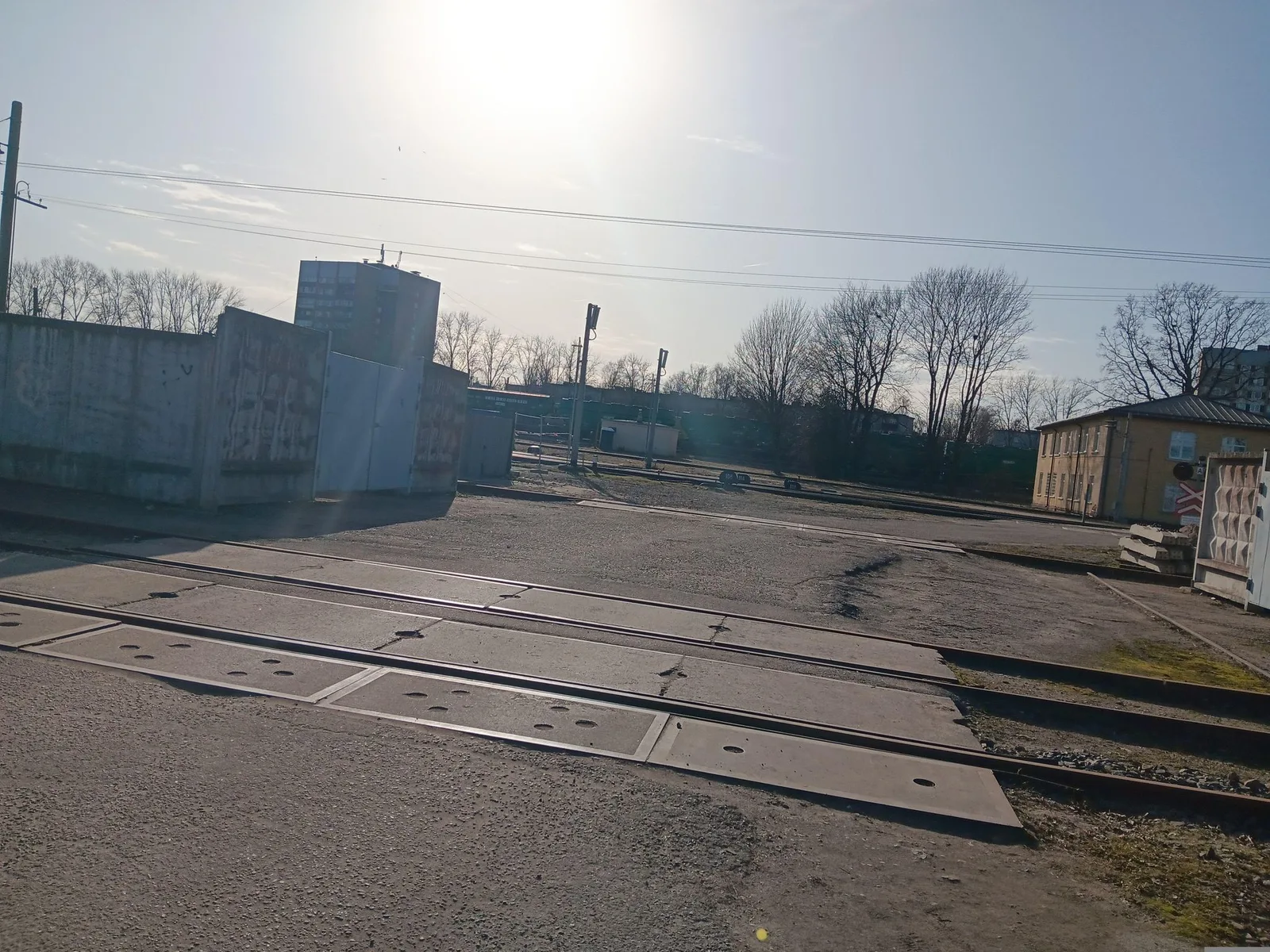
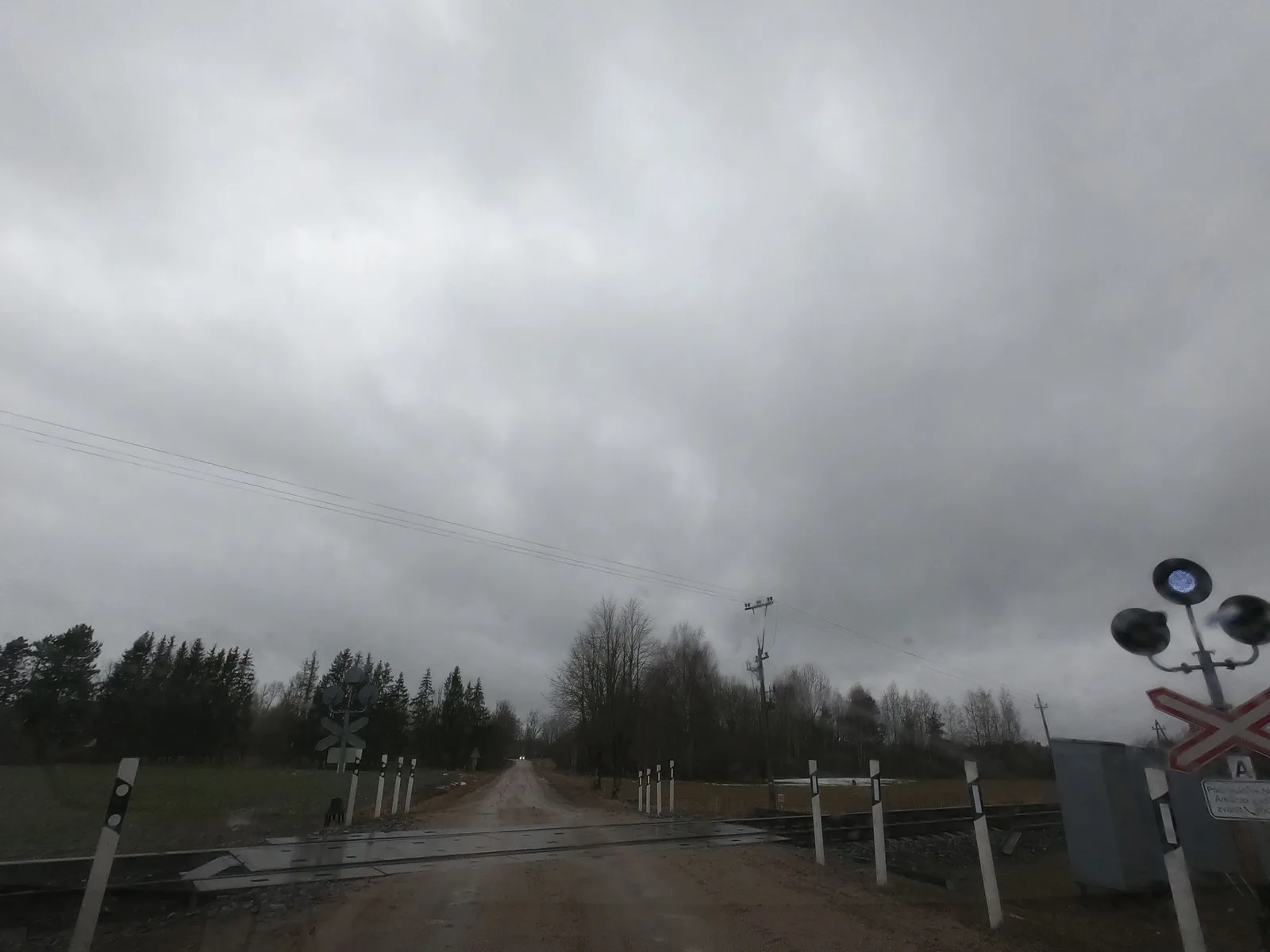
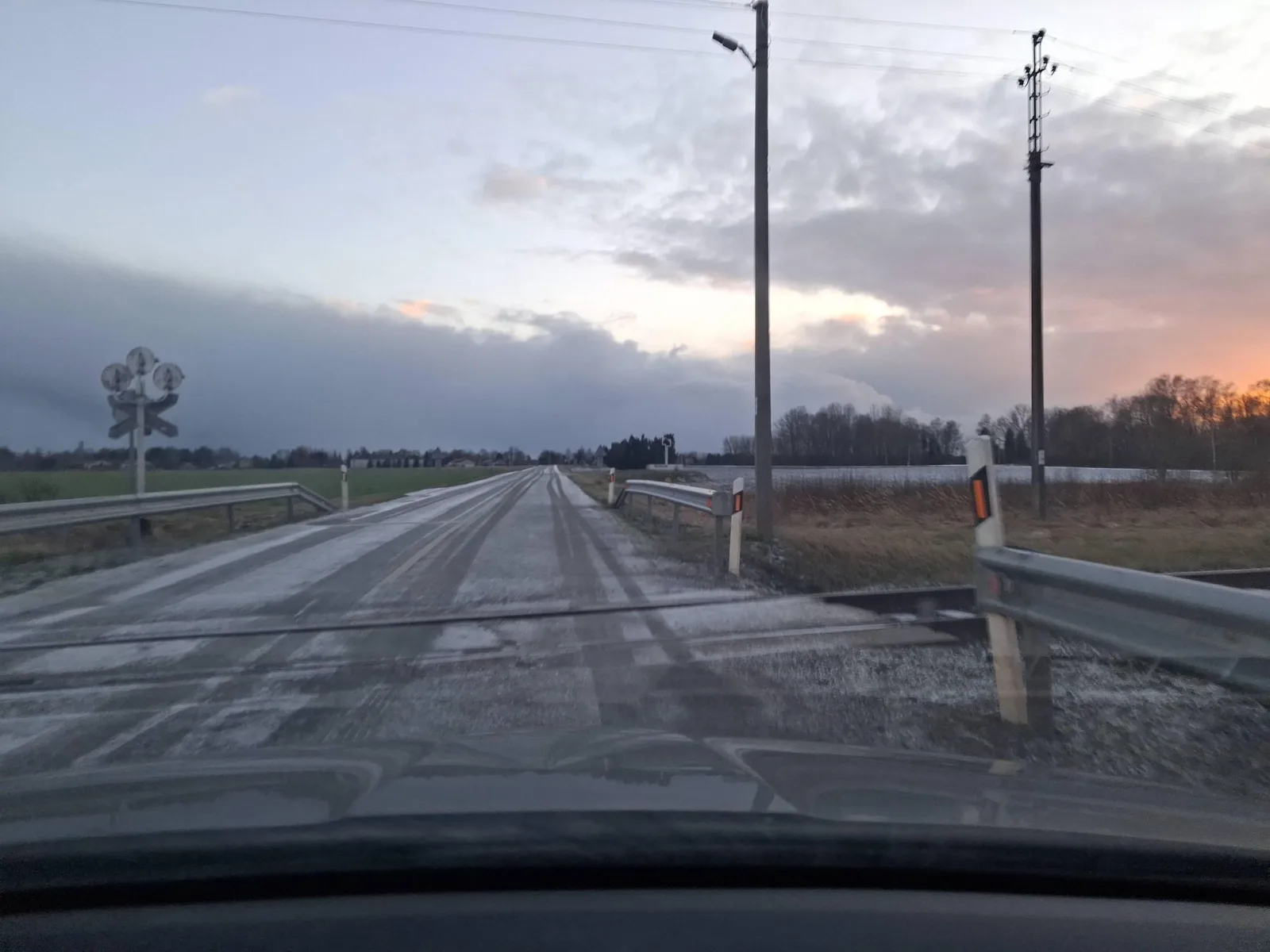
The street-level views below show crossings in rural, small-town and road-access settings on the same broad-gauge network, where local settings differ widely.
3. The infrastructure manager, safety authority and accident investigator
LDz, the state infrastructure manager, maintains the crossing inventory and carries out the modernisation works through LDz infrastruktūra [4, ↗].
The Valsts dzelzceļa tehniskā inspekcija (VDZTI), the State Railway Technical Inspectorate under the Ministry of Transport, is the railway safety authority that Directive (EU) 2016/798 requires of every Member State [8, ↗]. It supervises railway safety, certifies operators and reports the Common Safety Indicators that Latvia submits to the Union [5, ↗] [6, ↗].
The Transporta nelaimes gadījumu un incidentu izmeklēšanas birojs (TAIIB), the Transport Accident and Incident Investigation Bureau, investigates rail accidents independently and publishes its findings [7, ↗].
4. A periodic, audit-based risk assessment
Latvia reads level crossing risk through periodic audit. VDZTI identifies risk levels for stations, stop points, crossings and railway sections, names the factors that raise risk at each, and issues recommendations to bring those levels down [5, ↗]. The railway safety regulations and that periodic audit drive the protection, a prescriptive approach that a comparative per-crossing reading can extend [13, ↗].
5. A remote crossing centre and a modernisation programme
LDz opened the first rail crossing centre in the Baltics on 17 December 2021. From it, one duty officer monitors up to six crossings and the centre serves up to 24 at a time, with the supervision of 17 guarded crossings connected at the start and on-site staff phased out as remote monitoring extends [3, ↗].
The modernisation programme fits crossings with automatic barriers and traffic lights and adjusts their closing times [2, ↗]. More than 20 kilometres of fencing now runs along the lines around Riga [2, ↗].
A wider speed programme runs alongside. Line speed rises from 120 to 140 kilometres per hour on the Riga–Aizkraukle and Riga–Jelgava sections, then toward 160 kilometres per hour by 2035 [2, ↗]. LDz puts the whole infrastructure development at about 4.5 billion euros to 2035 [1, ↗].
LDz also runs the Safety Lessons education programme for children and young people [11, ↗], and Latvia co-hosted, with Estonia, the 2016 International Level Crossing Awareness Day conference in Riga and Tallinn [12, ↗].
6. Comparing the surroundings of crossings
A crossing is both a point of risk and a point of access.
- For the crossings that stay, the risk they carry depends on the nearby population, the emergency access, and the local routes that rely on them.
- For the crossings moving toward upgrade or removal, the same surroundings set the access question, where road users and pedestrians go once the crossing closes or gains automatic barriers, and rural sites are often constrained.
Some crossings have simple alternatives. Others touch emergency access, pedestrian and farm circulation, nearby population or the local road network that the route through the crossing connects. Comparing those surroundings on the same reference can support prioritisation across the network, as much as field review, detailed engineering and budget commitment on those moving toward a project.
That is the territorial layer SAMRoute structures around crossings, with a common geography, repeatable indicators, a regular refresh and traceable sources, so one crossing can be compared with another [14, ↗].
7. References
Infrastructure manager and inventory
[1] SJSC Latvijas dzelzceļš. Network Statement 2025 (LDz, 2024). The 1,779 km network, the 1,520 mm broad gauge and the signalling for speeds up to 120 km/h. Read
[2] SJSC Latvijas dzelzceļš. Long-term development priorities (LDz). The crossing modernisation, the Riga-area fencing, the 140 and 160 km/h speed programme and the development envelope to 2035. Read
[3] SJSC Latvijas dzelzceļš. LDz opens the first rail crossing centre in the Baltics (LDz, 2021). The crossing centre, the 24 crossings served, the six per duty officer and the 17 connected. Read
[4] SJSC Latvijas dzelzceļš. About LDz (LDz). The state infrastructure manager and the LDz infrastruktūra subsidiary. Read
[15] Wikipedia. Level crossings by country (Wikipedia, after UNECE data). The 652 level crossings on the Latvian network. Read
The regime and the risk assessment
[5] Valsts dzelzceļa tehniskā inspekcija. Railway safety (VDZTI). The national safety authority, the supervision and the periodic risk assessment. Read
[6] Valsts dzelzceļa tehniskā inspekcija. Railway accident statistics (VDZTI). The Common Safety Indicators and the level crossing accident counts. Read
[13] Cabinet of Ministers. Railway Safety Regulations (Dzelzceļa drošības noteikumi). The protection required at level crossings. Read
Safety authority and investigation
[7] Transporta nelaimes gadījumu un incidentu izmeklēšanas birojs. Transport Accident and Incident Investigation Bureau (TAIIB). The independent rail accident investigation body. Read
Modernisation and awareness
[11] SJSC Latvijas dzelzceļš. Safety Lessons (LDz). The railway safety education programme for children and young people. Read
[12] UIC. International conference on improving safety at and around level crossings (UIC, 2016). The 2016 International Level Crossing Awareness Day conference in Riga and Tallinn. Read
European framework
[9] European Commission. Road safety thematic report, railway level crossings (European Road Safety Observatory, 2021). Crossings account for about one percent of road fatalities and close to a third of railway fatalities. Read
[10] EU Agency for Railways. Safety overview 2025 (ERA, 2025). Level crossing safety broadly flat since 2017. Read
[16] LSM. Train tragedy numbers have gone down in Latvia over past decade (Latvian Public Broadcasting, 7 October 2025). The fall in train-collision deaths and the share of attended crossings. Read
[8] European Parliament and Council. Directive (EU) 2016/798 of 11 May 2016 on railway safety (OJ L 138, 26.5.2016). Requires each Member State to set up a national safety authority and an independent investigating body. Read
[14] SAMRoute. Rail cadence, level crossings and emergency access (position page). Open