Level crossings in Bulgaria. Comparing crossings before upgrade and removal decisions
Bulgaria equips, modernises and supervises its level crossings, with the National Railway Infrastructure Company managing the inventory, the Railway Administration Executive Agency acting as the railway safety authority, and the National Air, Maritime and Railway Transport Accidents Investigation Board investigating accidents.
The following sections present the accident history, the level crossing system, the public actors, the regime, and the modernisation programme. The last section covers the territorial context that SAMRoute models.
1. Accident history at level crossings
In 2022, level crossing accidents made up 22 of the 351 railway events registered on the Bulgarian network [5, ↗]. On 7 June 2022, the locomotive of freight train 7623 collided with a road truck at a level crossing between the stations Oreshets and Dimovo, and the National Air, Maritime and Railway Transport Accidents Investigation Board investigated the accident [5, ↗].
2. The Bulgarian level crossing system
The State Enterprise National Railway Infrastructure Company (SE NRIC), the state infrastructure manager, runs a network with a total unfolded length of 6,440 kilometres, of which over 70 per cent is electrified [1, ↗]. The network carries 732 level crossings, where the safe passage of trains is provided by Automatic Level-Crossing Devices [1, ↗]. By type, the inventory runs from crossings with manual barriers, through crossings with electric barriers and crossings with automatic locking, to crossings that carry automatic signalling, and a share remains passively protected [2, ↗].
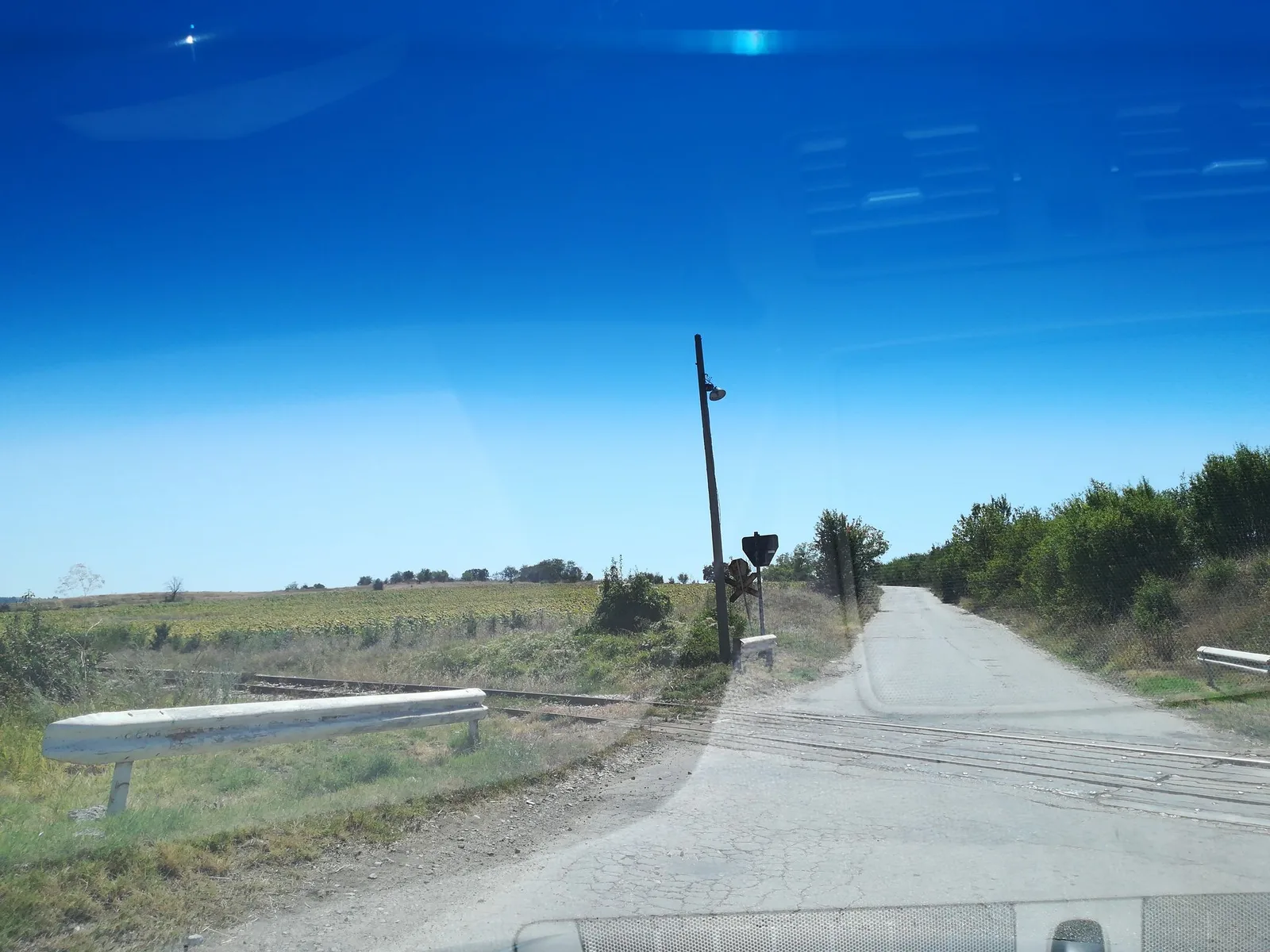
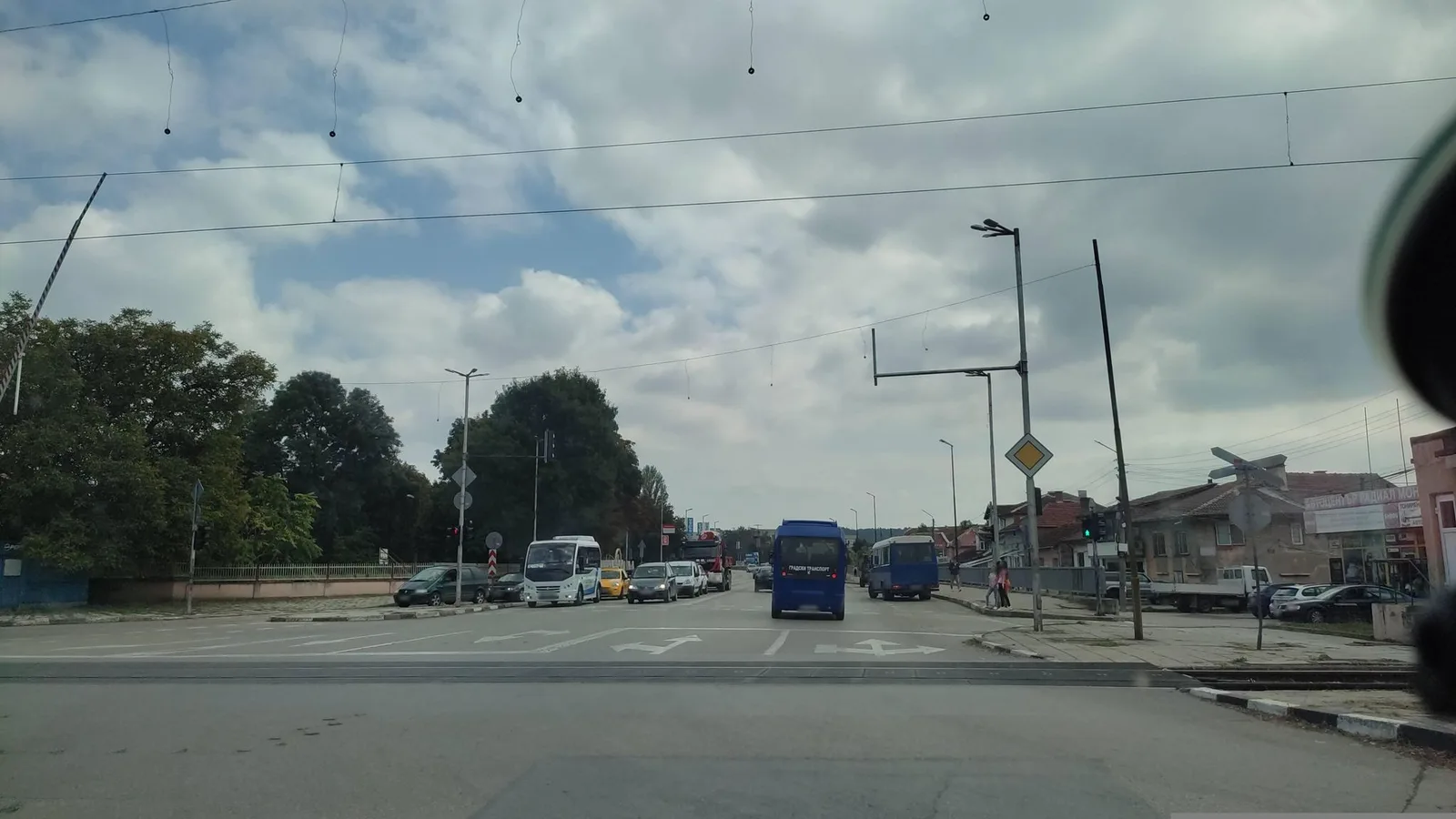
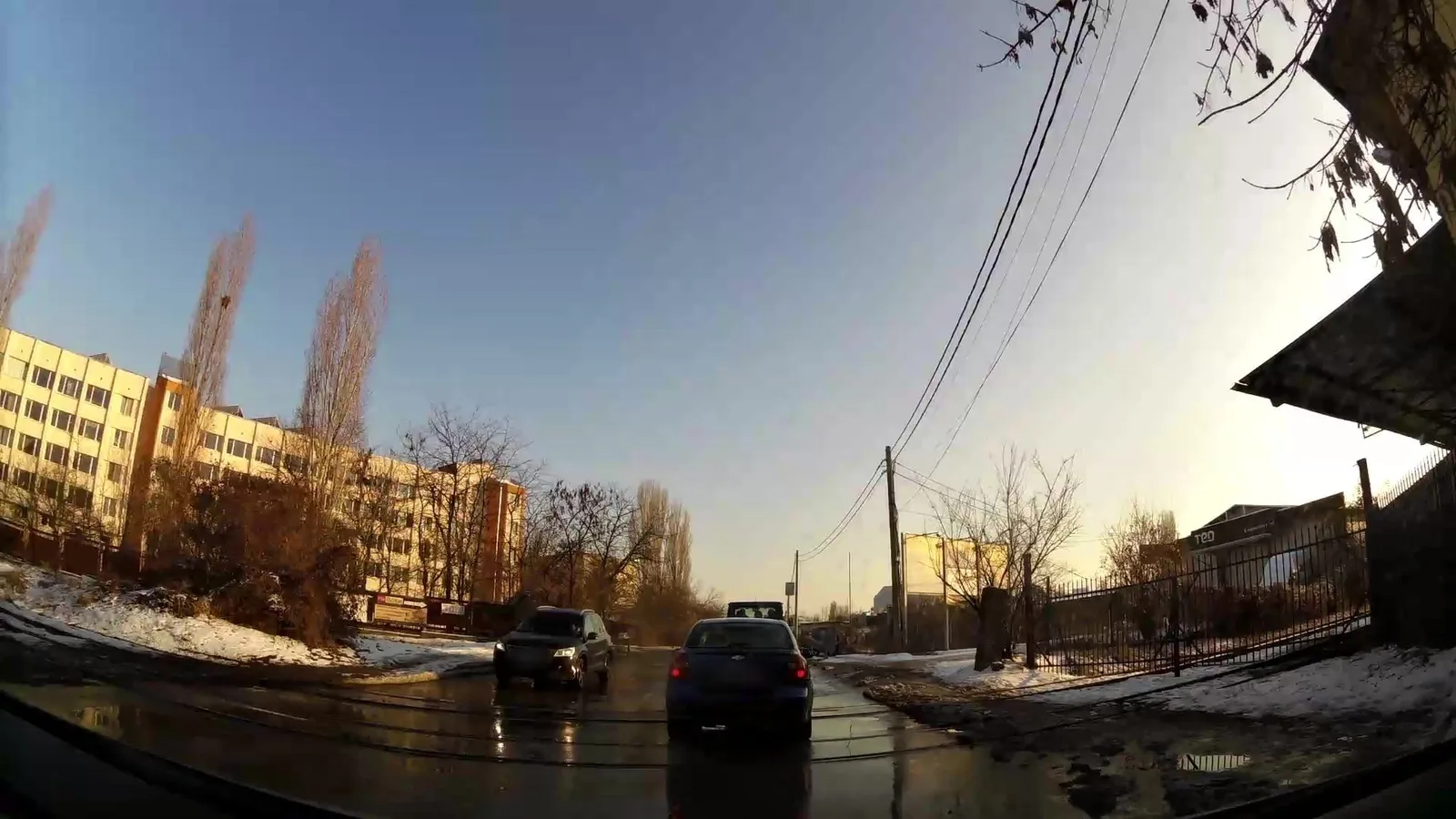
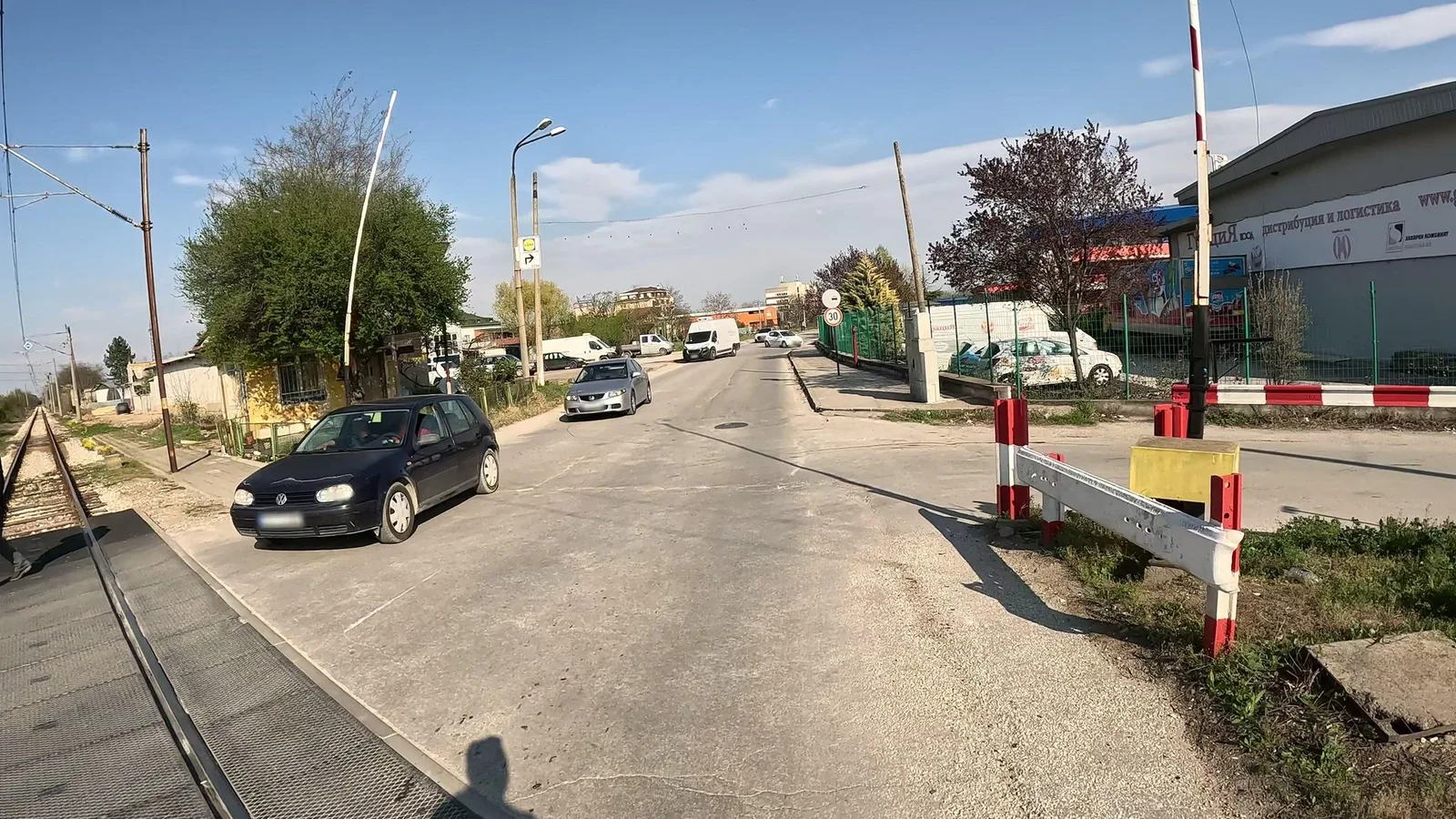
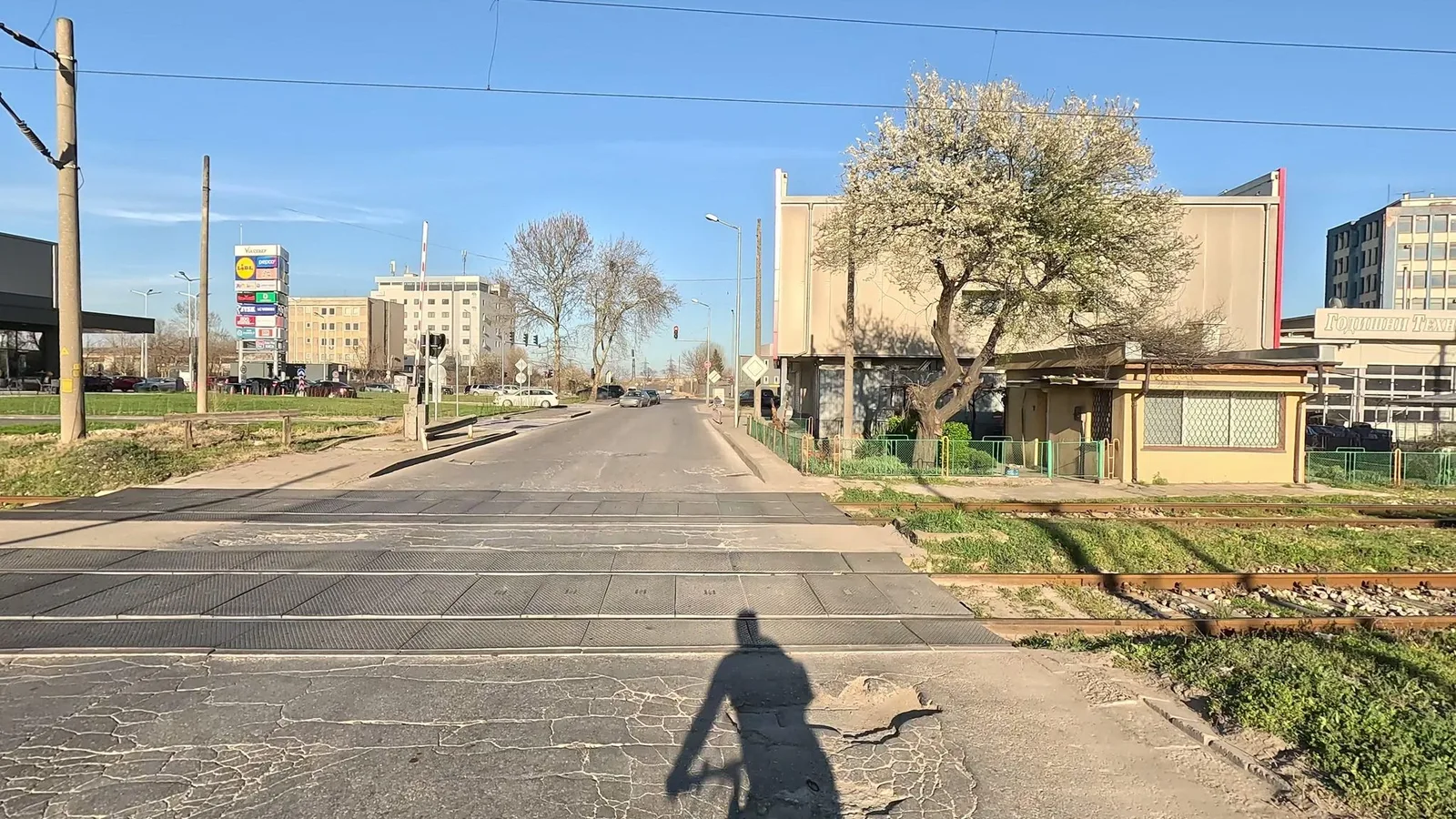
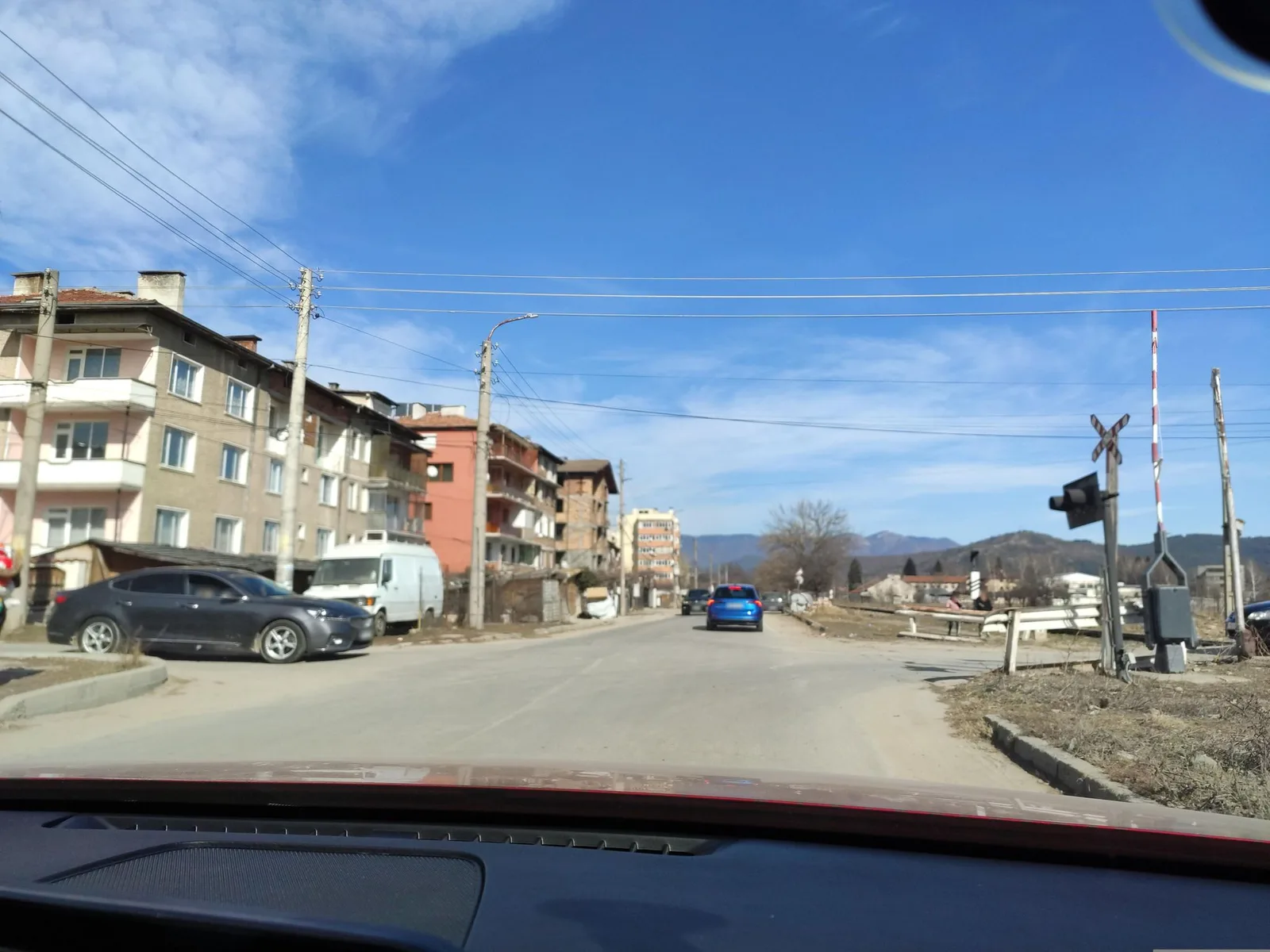
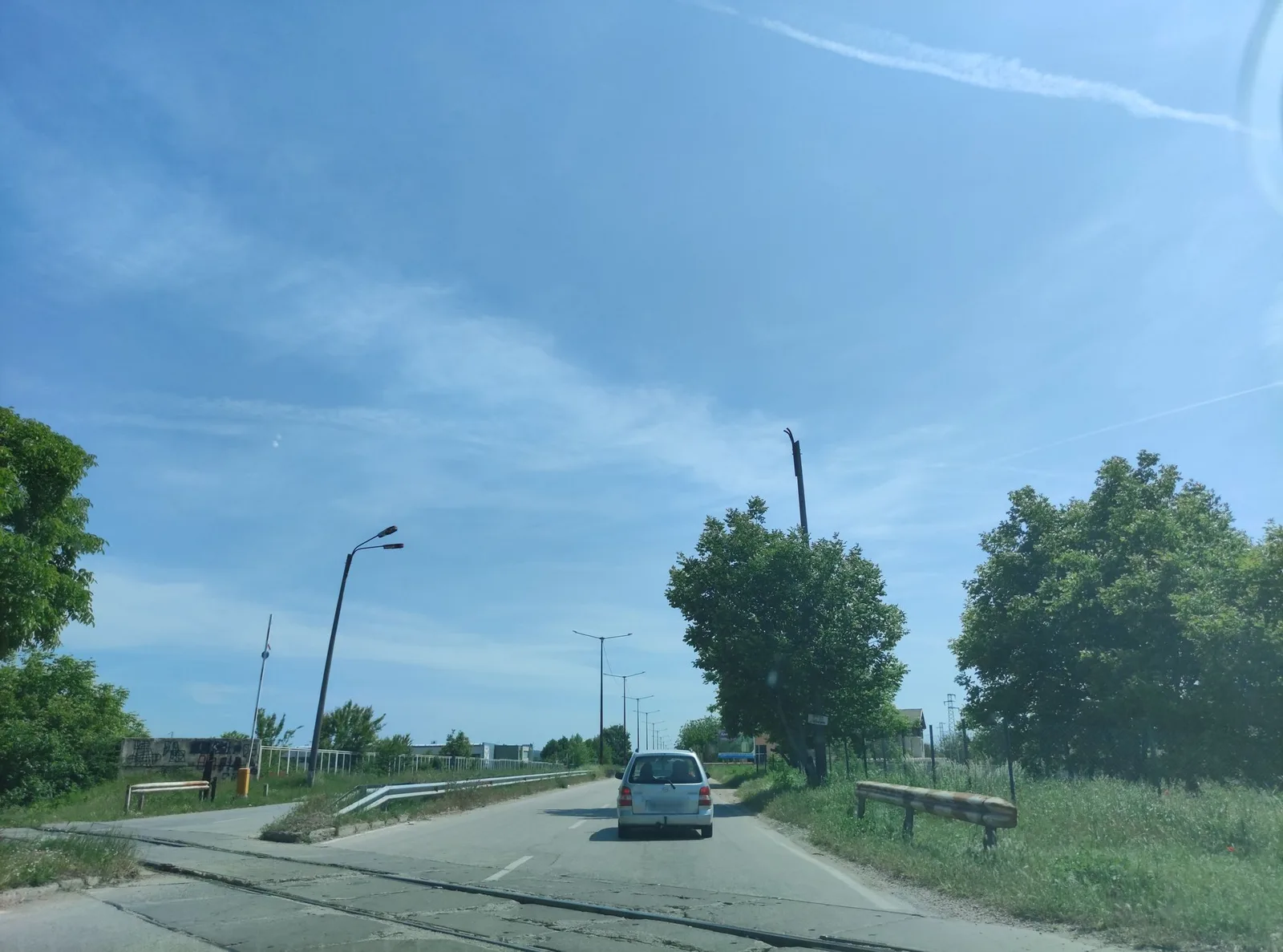
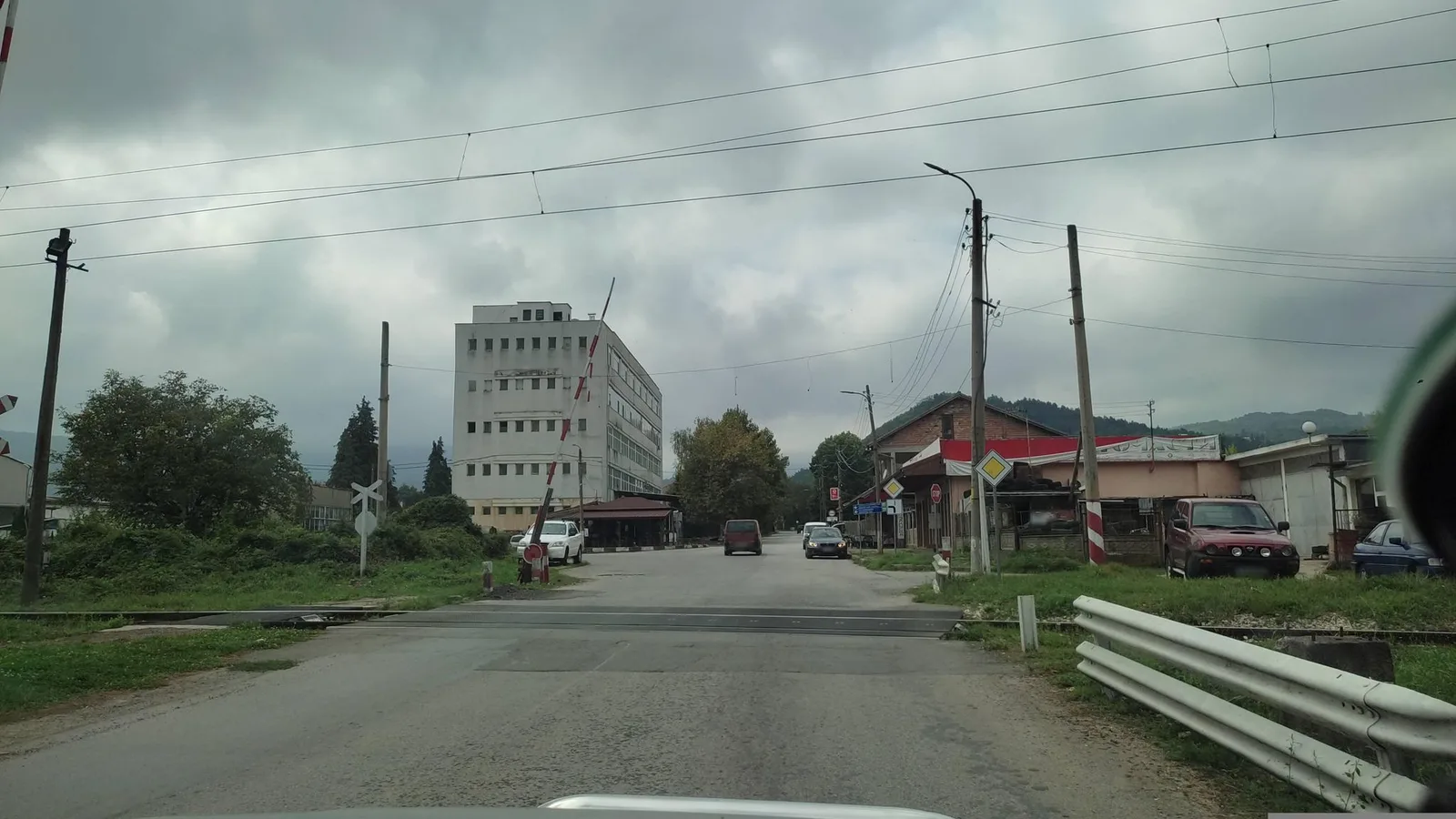
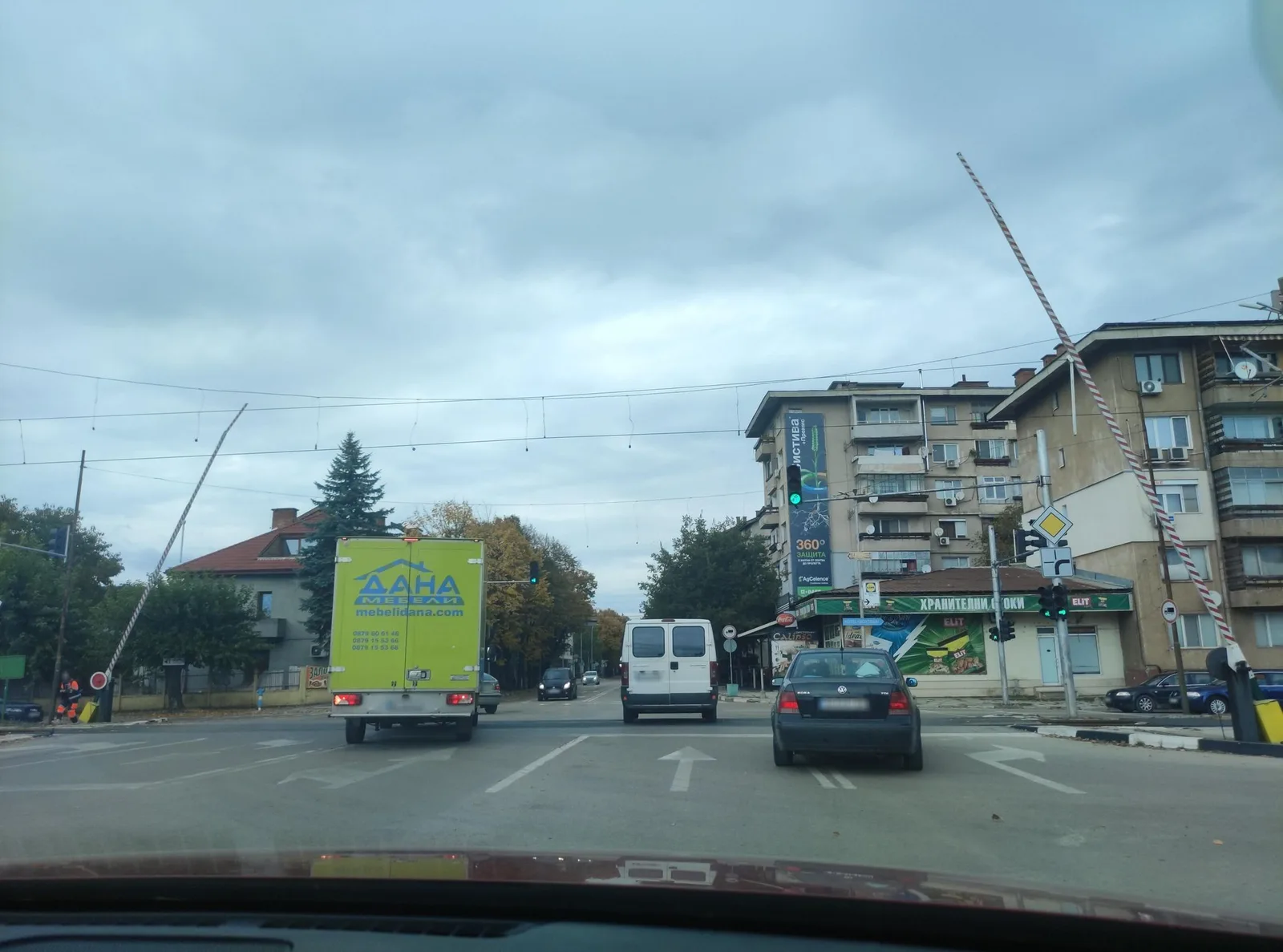
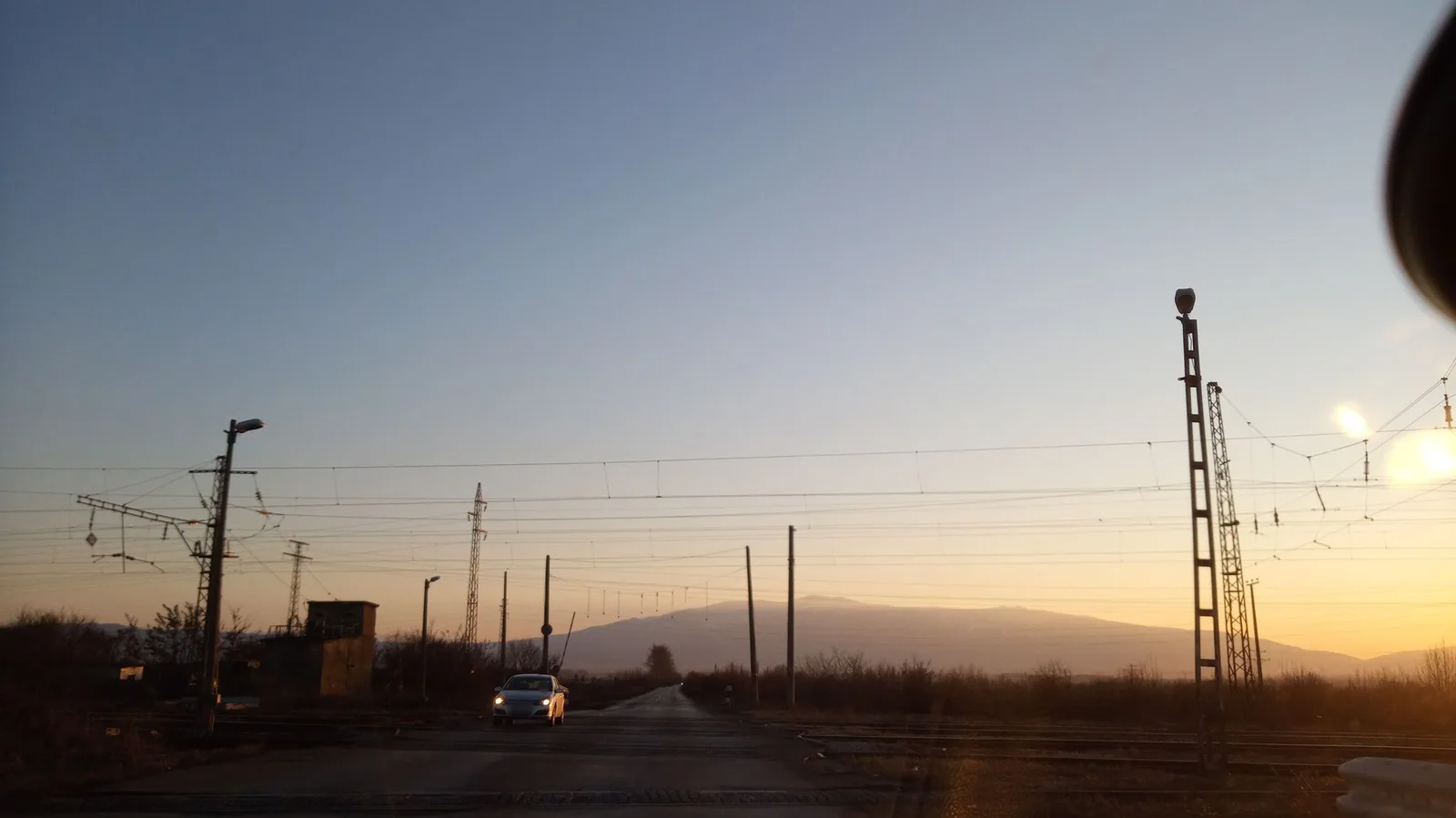
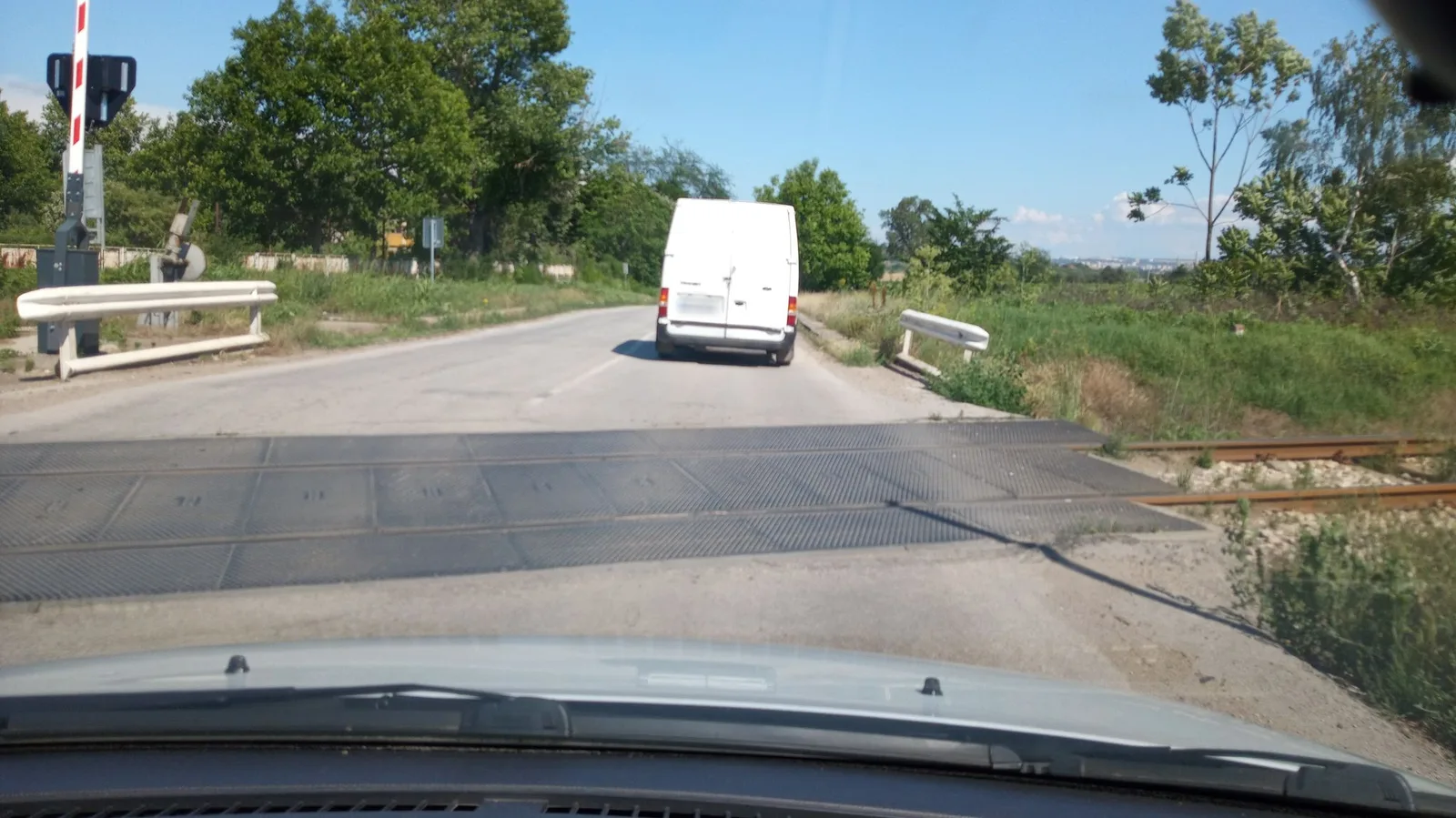
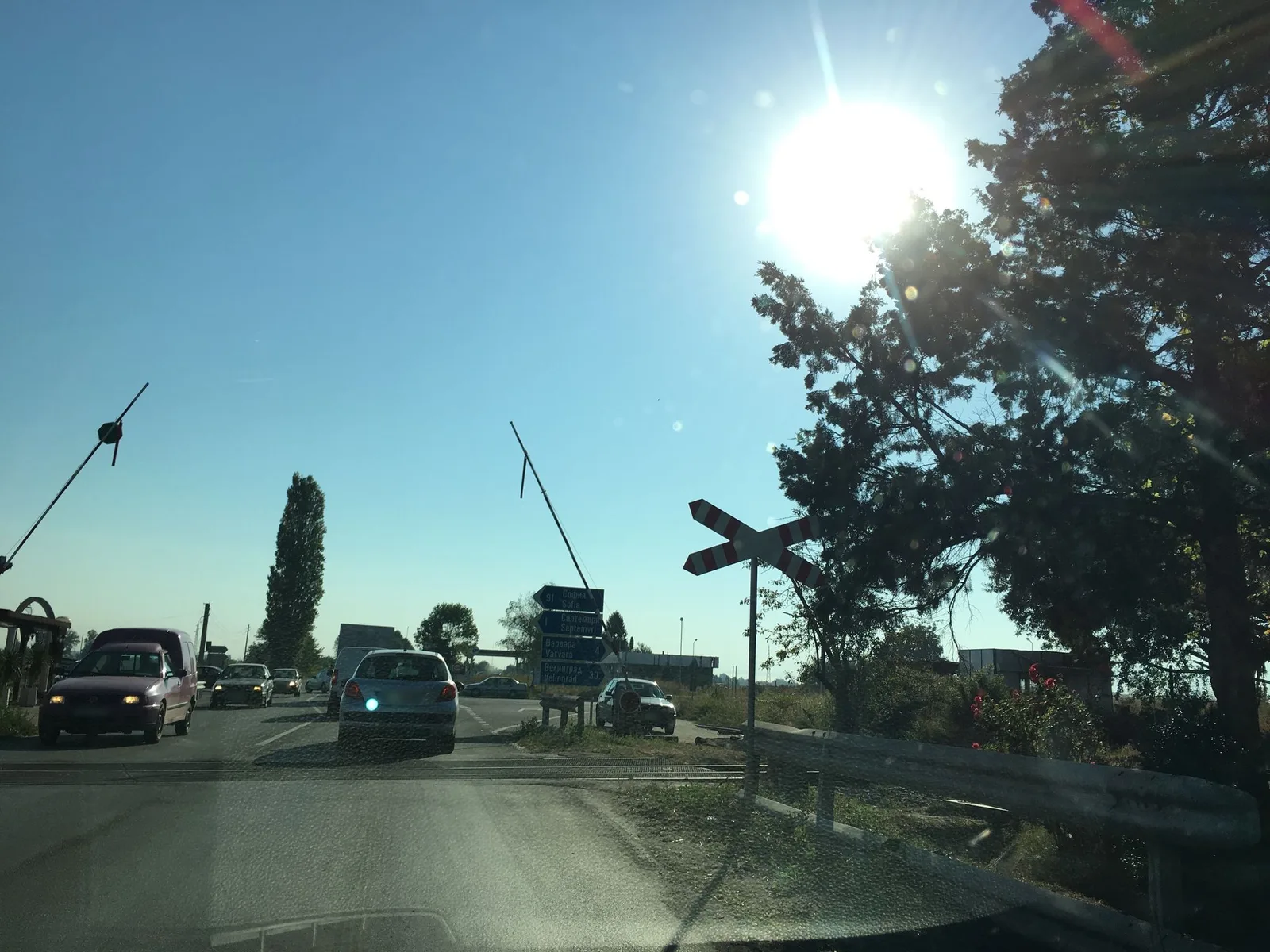
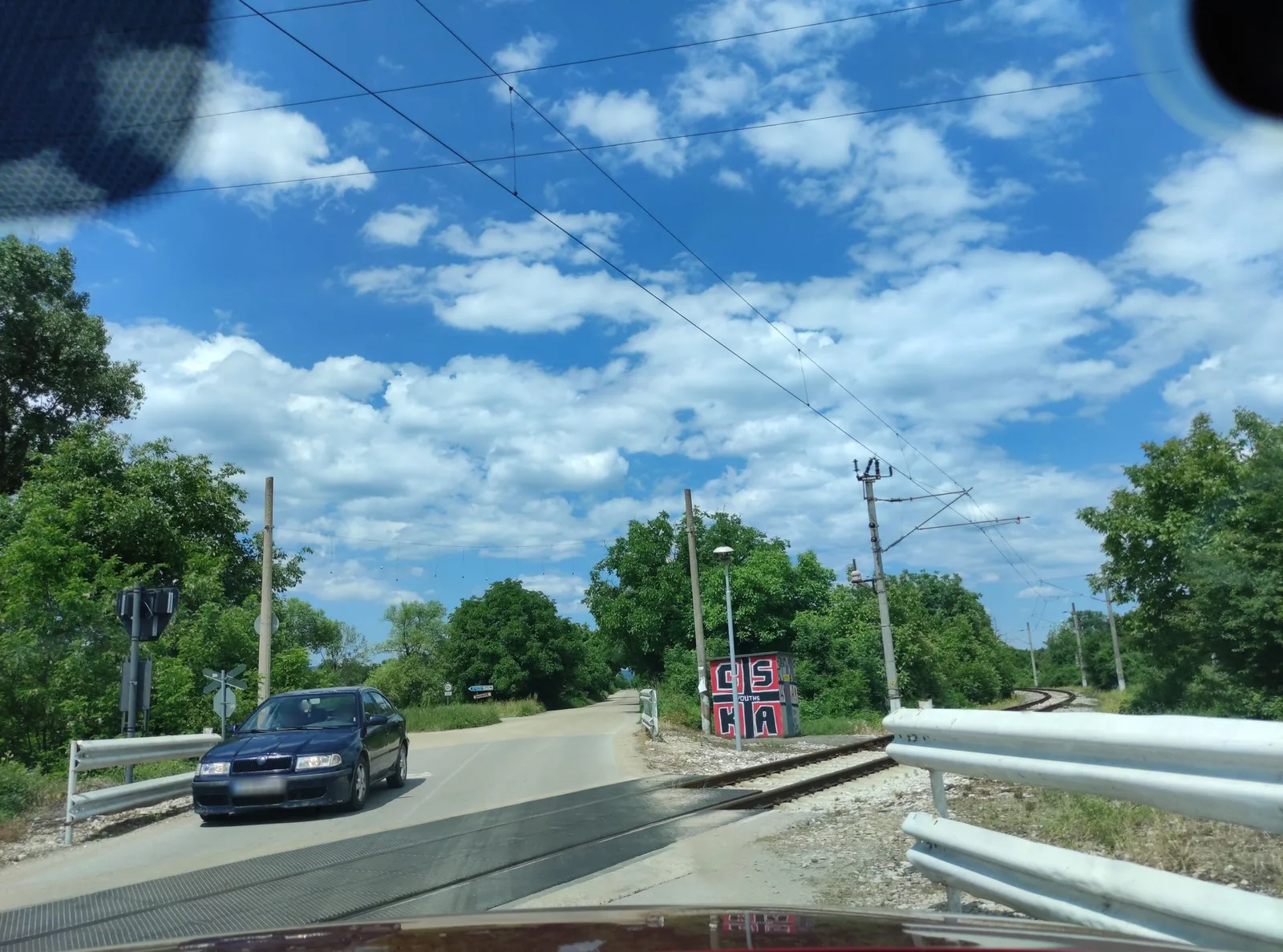
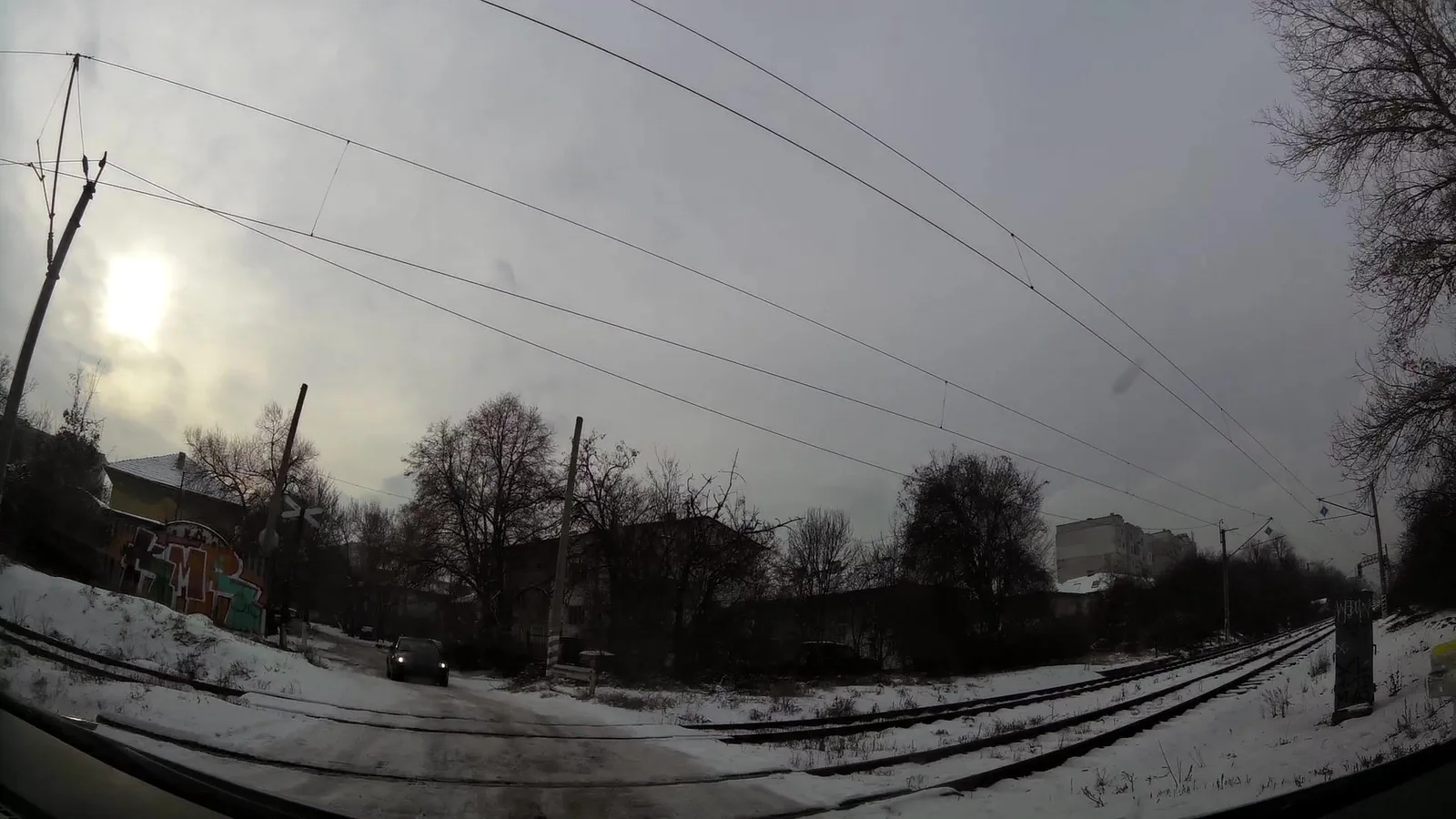
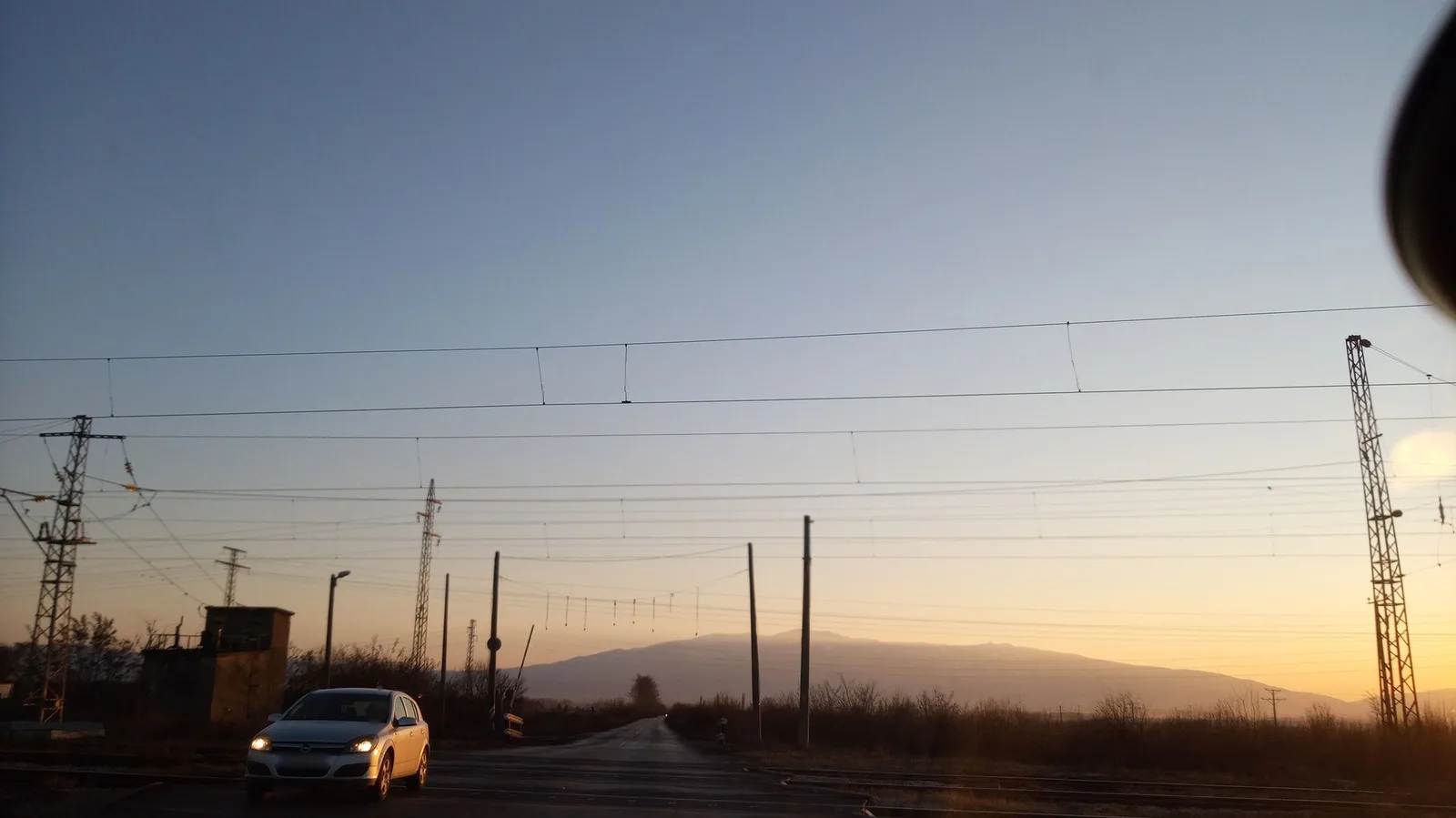
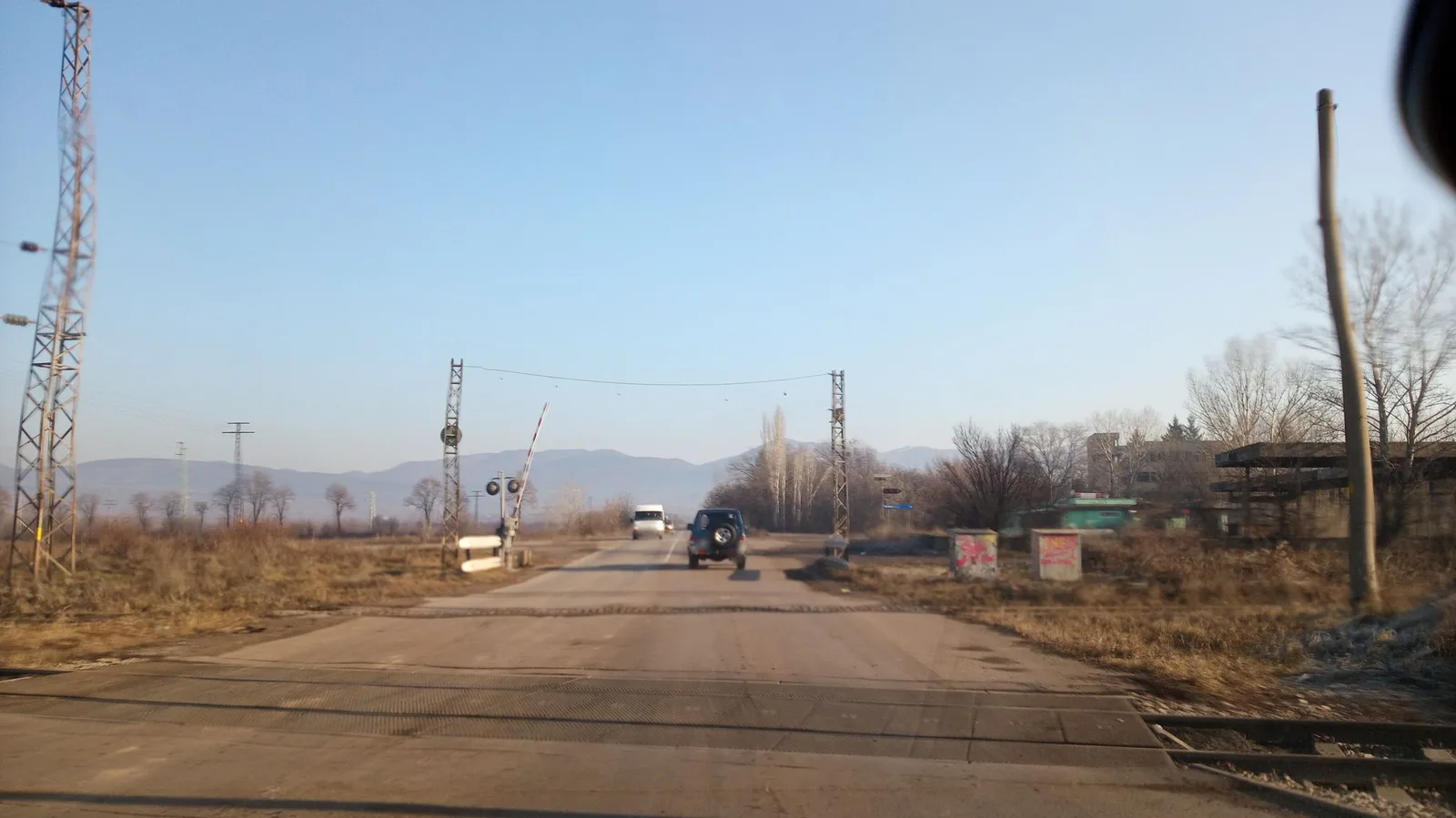
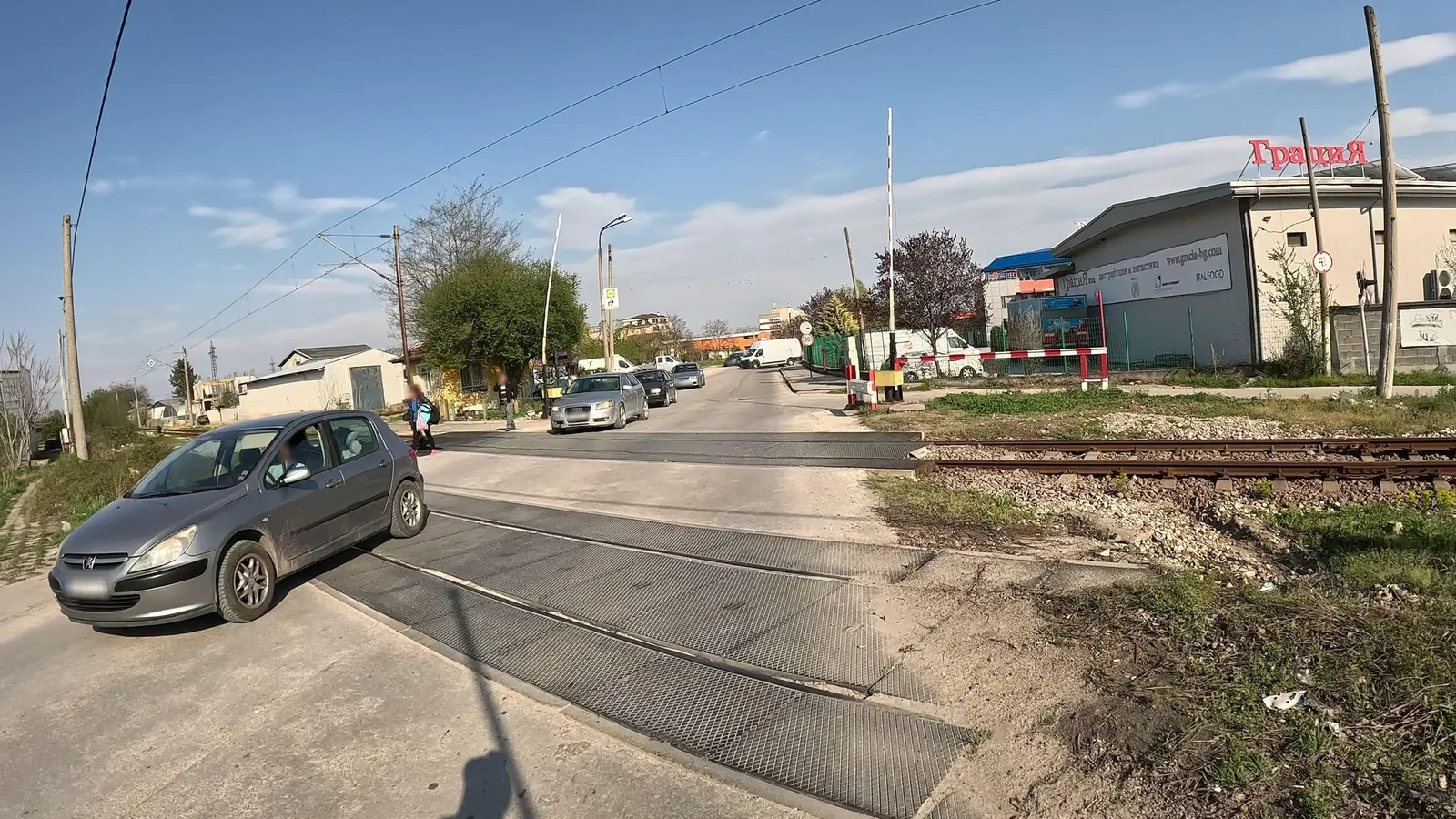
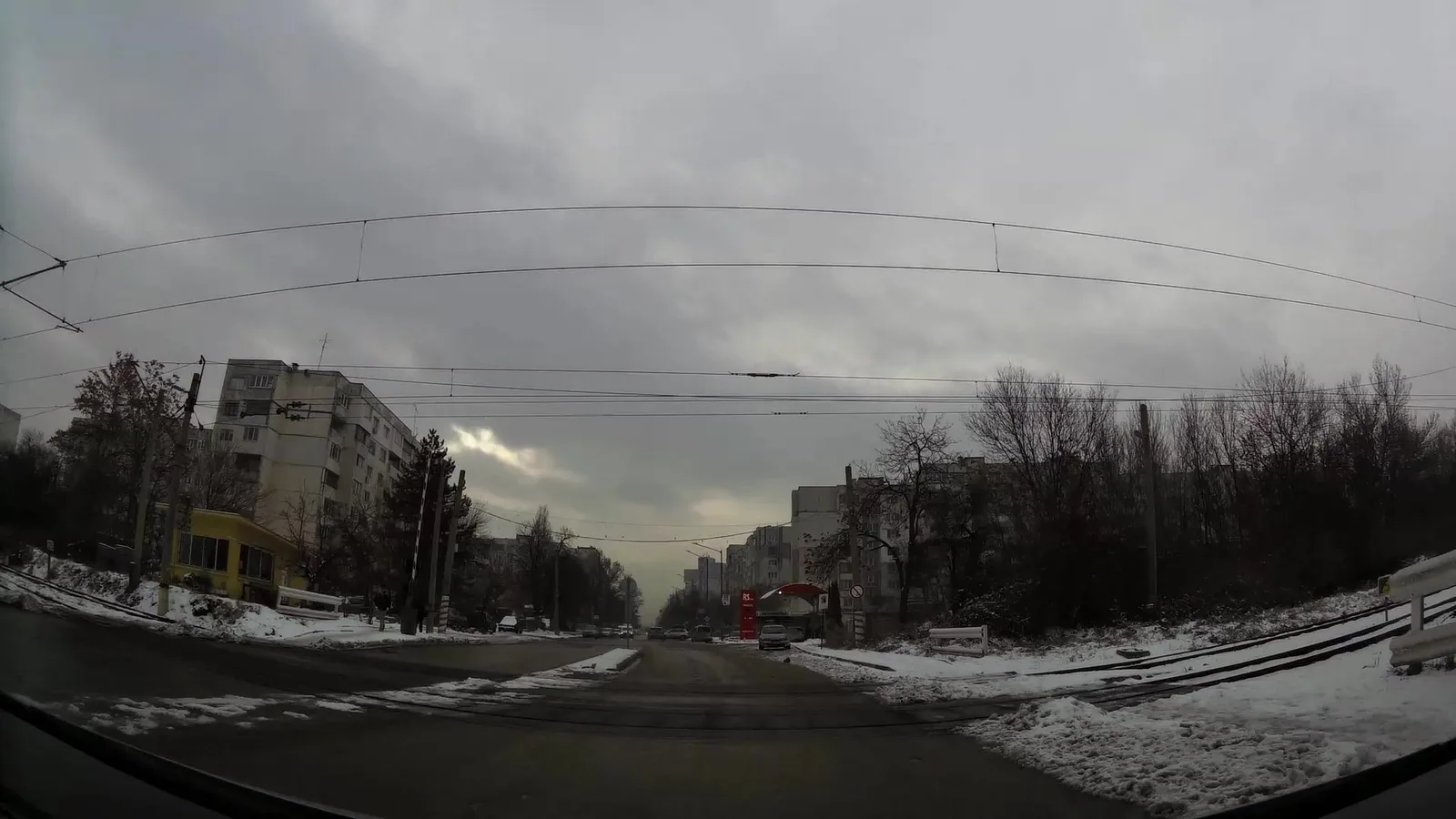
The street-level views below show crossings in rural, small-town and road-access settings on the same network, where local settings differ widely.
3. The infrastructure manager, safety authority and accident investigator
The State Enterprise National Railway Infrastructure Company, set up as a state enterprise under the Commerce Act, maintains the crossing inventory and carries out the modernisation as the state infrastructure manager [1, ↗].
The Railway Administration Executive Agency (RAEA) is the railway safety authority that Directive (EU) 2016/798 requires of every Member State [3, ↗]. Established by Decree No 167 of the Council of Ministers of 2001 under the Railway Transport Act, RAEA acts as the national safety authority and the regulatory body for rail transport, and it is functionally independent of the infrastructure managers and of any body allocating capacity or imposing charges [4, ↗].
The National Air, Maritime and Railway Transport Accidents Investigation Board (NAMRTAIB), established in 2020 within the Council of Ministers and placed under the direct supervision of the Prime Minister, investigates serious rail accidents as the national investigation body and addresses its safety recommendations to RAEA [5, ↗]. Its railway function, the National Railway Transport Accidents Investigation Board, derives from the Railway Transport Act and from the requirement of Directive (EU) 2016/798 that each Member State maintain an independent investigating body [5, ↗].
4. A prescriptive and category-based regime
Ordinance No. 4 of 27 March 1997 sets the categorisation, equipment and signalling that a crossing must carry from its characteristics and those of the line, and it now sits as a section within Ordinance No. 55 of 2004 on the design and construction of railway lines, stations and level crossings, a prescriptive approach that a comparative per-crossing reading can extend [2, ↗]. The Road Traffic Act and its regulations set the rules road users must follow when crossing, and NRIC reports operational safety data to RAEA each month under Ordinance No. 59 of 2006 on railway safety management [1, ↗].
5. Modernising and separating crossings
NRIC equips its crossings with Automatic Level-Crossing Devices and pursues a long-term investment programme that re-equips existing crossings and builds grade separations, with underpasses and overpasses that remove crossings on modernised corridors, drawing on the national budget and EU structural and cohesion funds [1, ↗]. At the crossings that stay, NRIC fits high-wear elastic crossing surfaces so that road vehicles pass smoothly, and academic work in Bulgaria points to video surveillance and obstacle measures against drivers who enter against lowered barriers [2, ↗]. NRIC also takes part each year in the International Level Crossing Awareness Day held under UIC patronage [1, ↗].
6. Comparing the surroundings of crossings
A crossing is both a point of risk and a point of access.
- For the crossings that stay, the risk they carry depends on the nearby population, the emergency access, and the local routes that rely on them.
- For the crossings moving toward upgrade or removal, the same surroundings set the access question, where road users and pedestrians go once the crossing closes or gains protection, and rural sites are often constrained.
Some crossings have simple alternatives. Others touch emergency access, pedestrian and farm circulation, nearby population or the local road network that the route through the crossing connects. On a network of this length, comparing the surroundings of each crossing on the same reference helps rank where to modernise, separate or supervise first, as much as field review, detailed engineering and budget commitment on those moving toward a project.
That is the territorial layer SAMRoute structures around crossings, with a common geography, repeatable indicators, a regular refresh and traceable sources, so one crossing can be compared with another [6, ↗].
7. References
Infrastructure manager and inventory
[1] SE National Railway Infrastructure Company. Network Statement 2025-2026 (SE NRIC). The infrastructure manager role, the network length and electrification, the level crossing count, the Automatic Level-Crossing Devices, the investment programme and the ILCAD participation. Read
[2] Todorov, S. Road safety at railway crossings (BBARS, 2024). The protection-type breakdown, Ordinance No. 4 and its place within Ordinance No. 55, the elastic crossing surfaces and the surveillance and obstacle measures. Read
Safety authority and investigation
[4] Railway Administration Executive Agency. National Contact Point presentation (ERA, 2022). The railway safety authority, its establishment by Decree No 167 of 2001 and its functional independence. Read
[5] National Air, Maritime and Railway Transport Accidents Investigation Board. Annual report 2022 (NAMRTAIB). The independent rail accident investigation body, its 2020 establishment, the Oreshets-Dimovo level crossing collision of 7 June 2022 and the recommendations to RAEA. Read
European framework
[3] European Parliament and Council. Directive (EU) 2016/798 of 11 May 2016 on railway safety (OJ L 138, 26.5.2016). Requires each Member State to set up a national safety authority and an independent investigating body. Read
[6] SAMRoute. Rail cadence, level crossings and emergency access (position page). Open