Level crossings in Italy. Comparing sites before removal and modernisation decisions
Italy keeps removing and modernising its level crossings, with RFI managing the national network and the inventory, ANSFISA acting as the national safety authority for rail and road, DIGIFEMA investigating accidents, and a yearly elimination programme funding the work.
- For the crossings that remain in service, the nearby population, emergency access, local routes, land use and the archaeological or landscape setting form the territorial context.
- For the crossings that move toward removal or grade separation, the crossing is closed or grade-separated. Road users, cyclists and local traffic then rely on different routes, and archaeological or landscape constraints can limit where a bridge or underpass fits.
The following sections present the level crossing system, the public actors, the risk-based inspection and classification, as well as the elimination and PAI-PL programme. The last section covers the territorial context that SAMRoute models.
1. The Italian level crossing system
RFI (Rete Ferroviaria Italiana), part of the FS Italiane group, manages the national rail network and owns the level crossing inventory [1, ↗]. At the end of 2024, about 4,011 level crossings remained on the network, 393 of them private, down from 8,063 in 2000, a halving over twenty-four years [2, ↗]. RFI operates roughly 16,800 kilometres of railway, and builds every new line grade-separated [1, ↗]. Regional and isolated networks such as EAV and FER carry their own crossings outside this mainline perimeter.
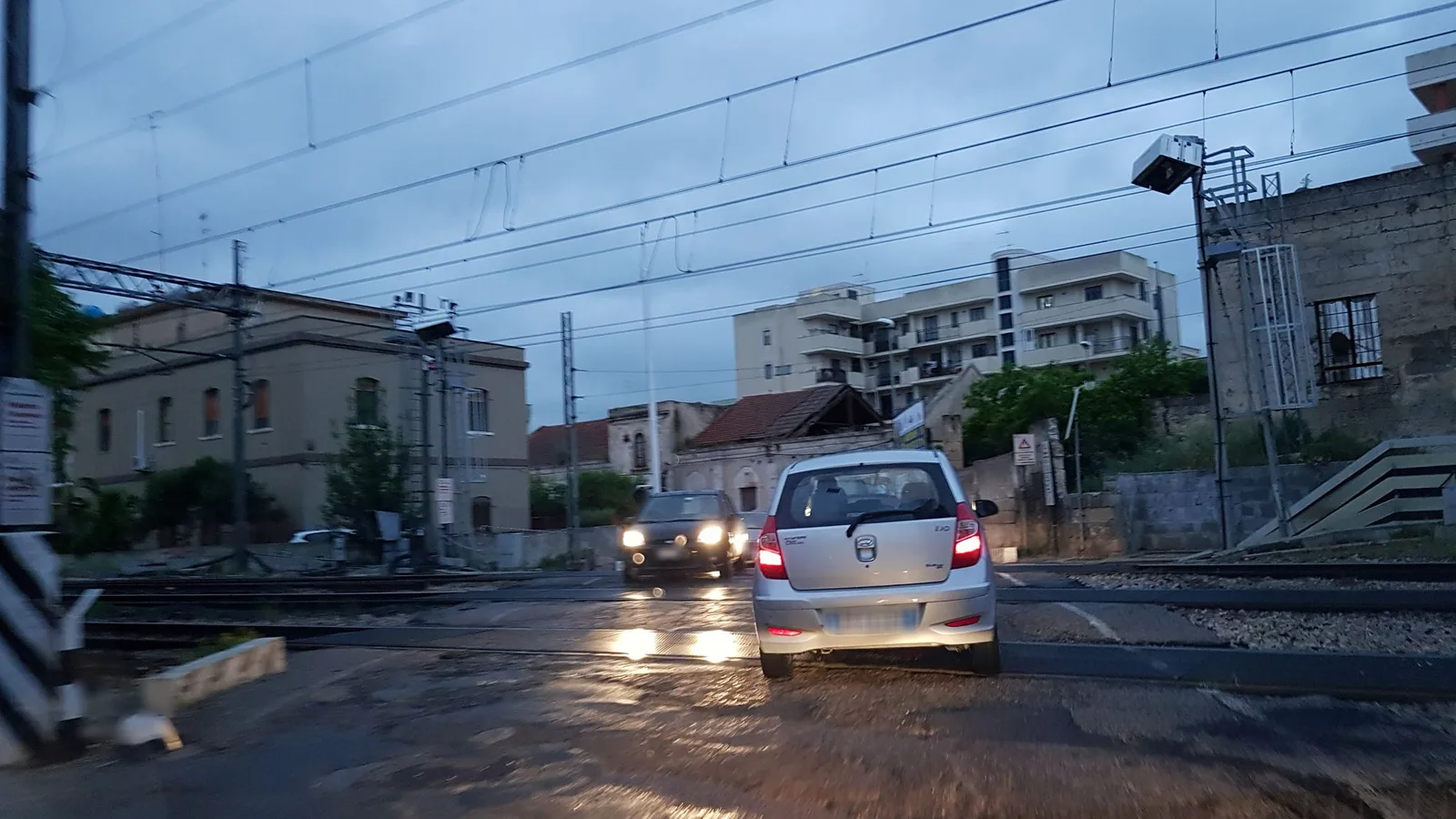
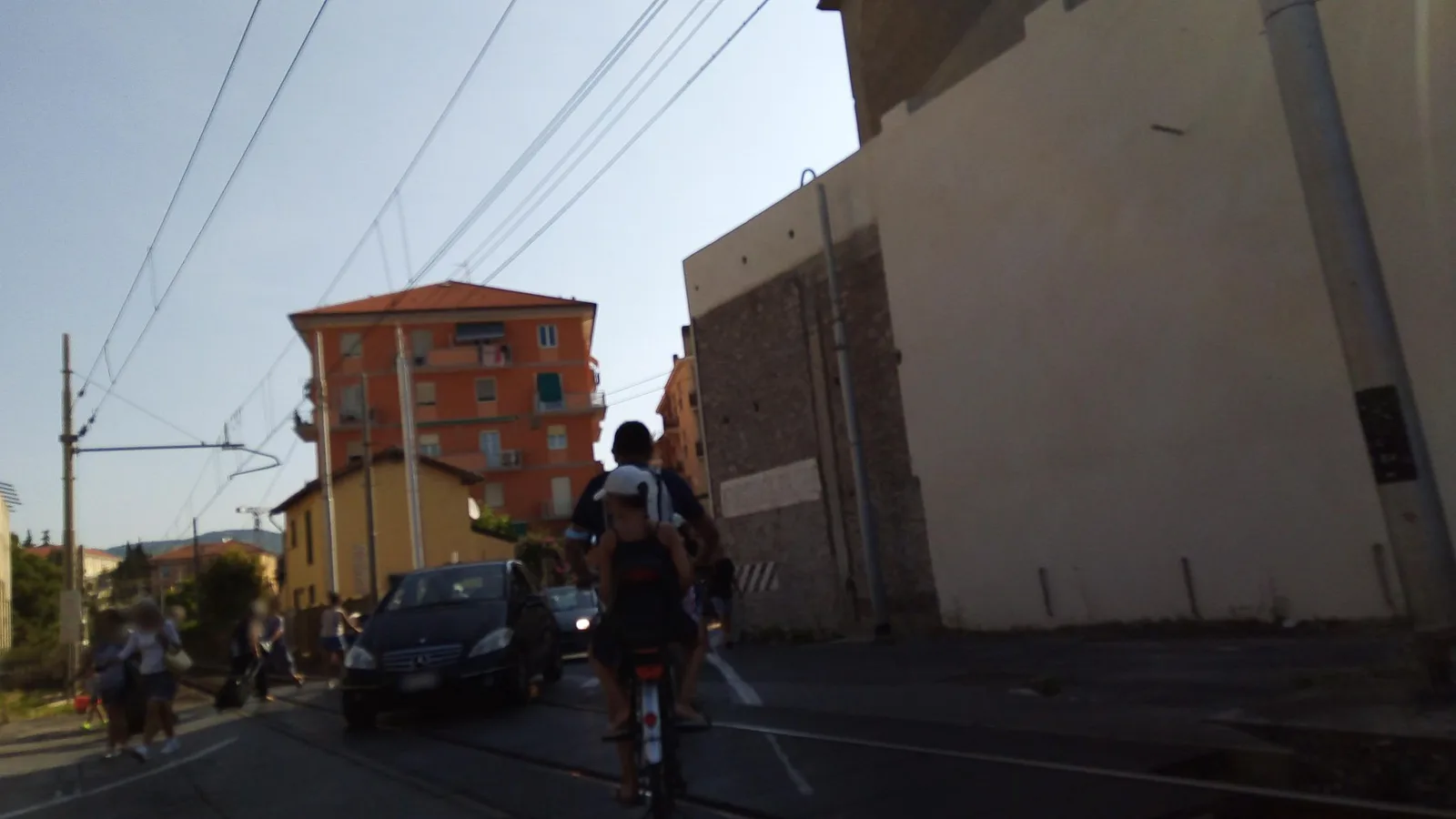
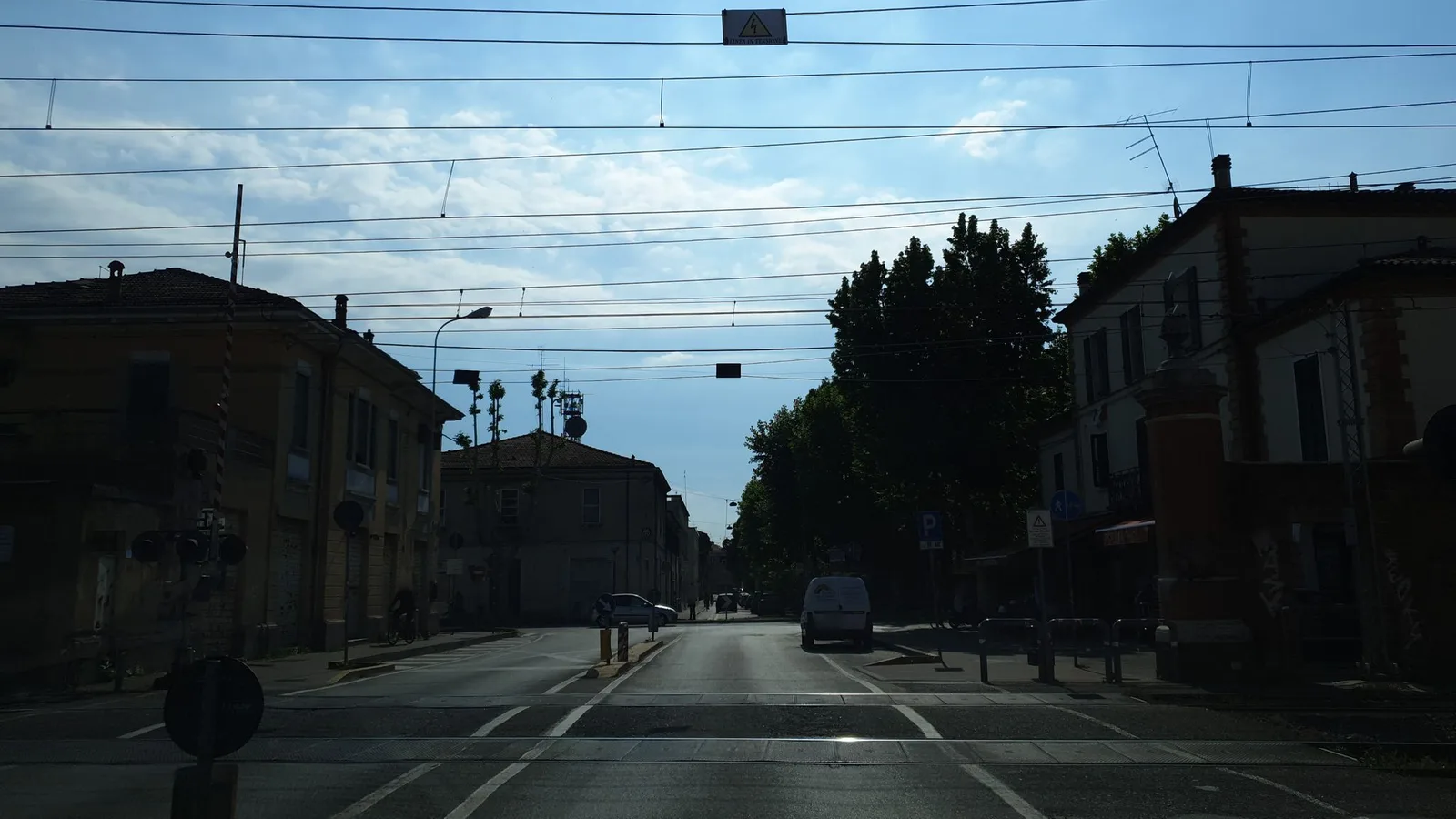
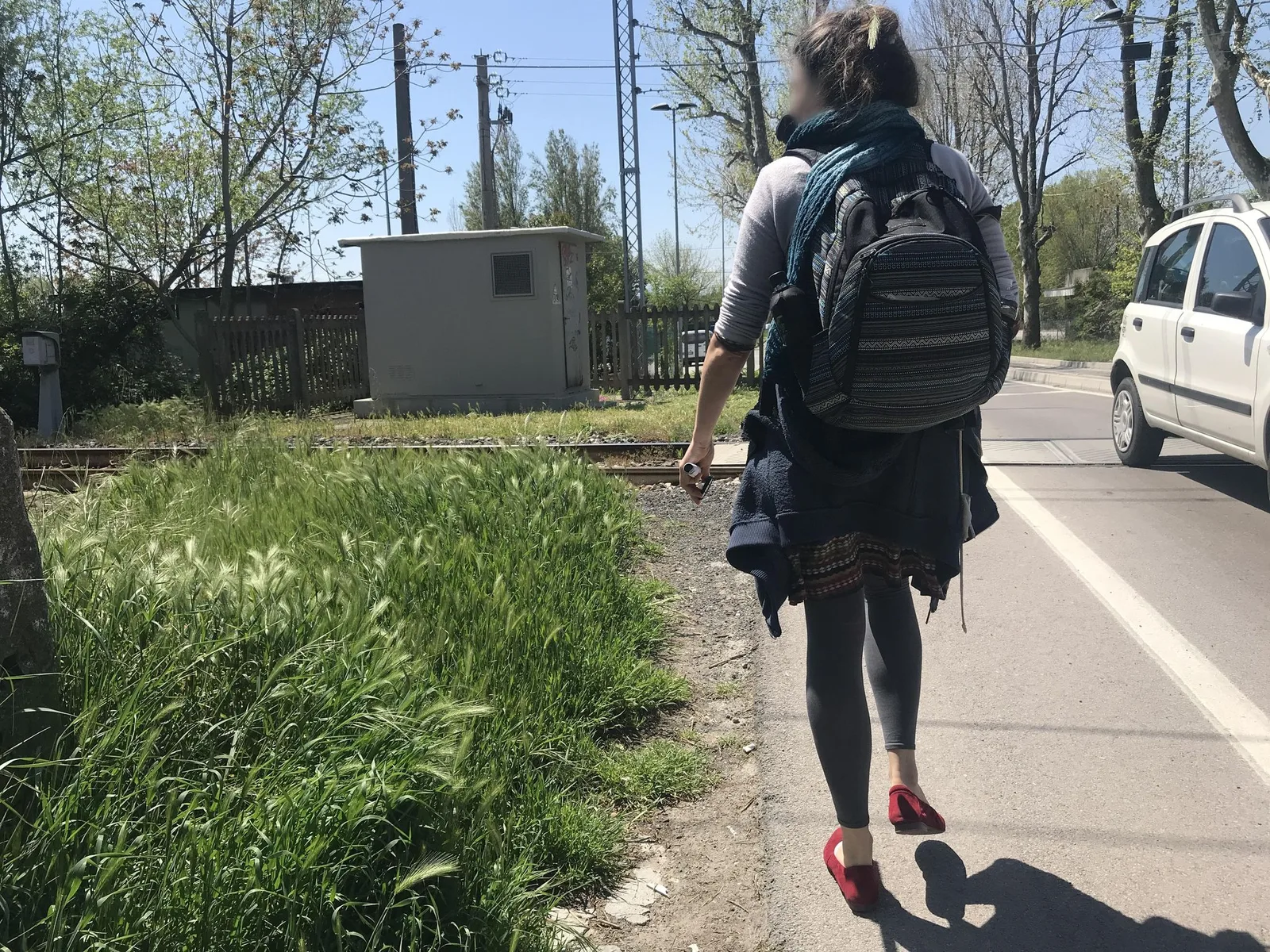
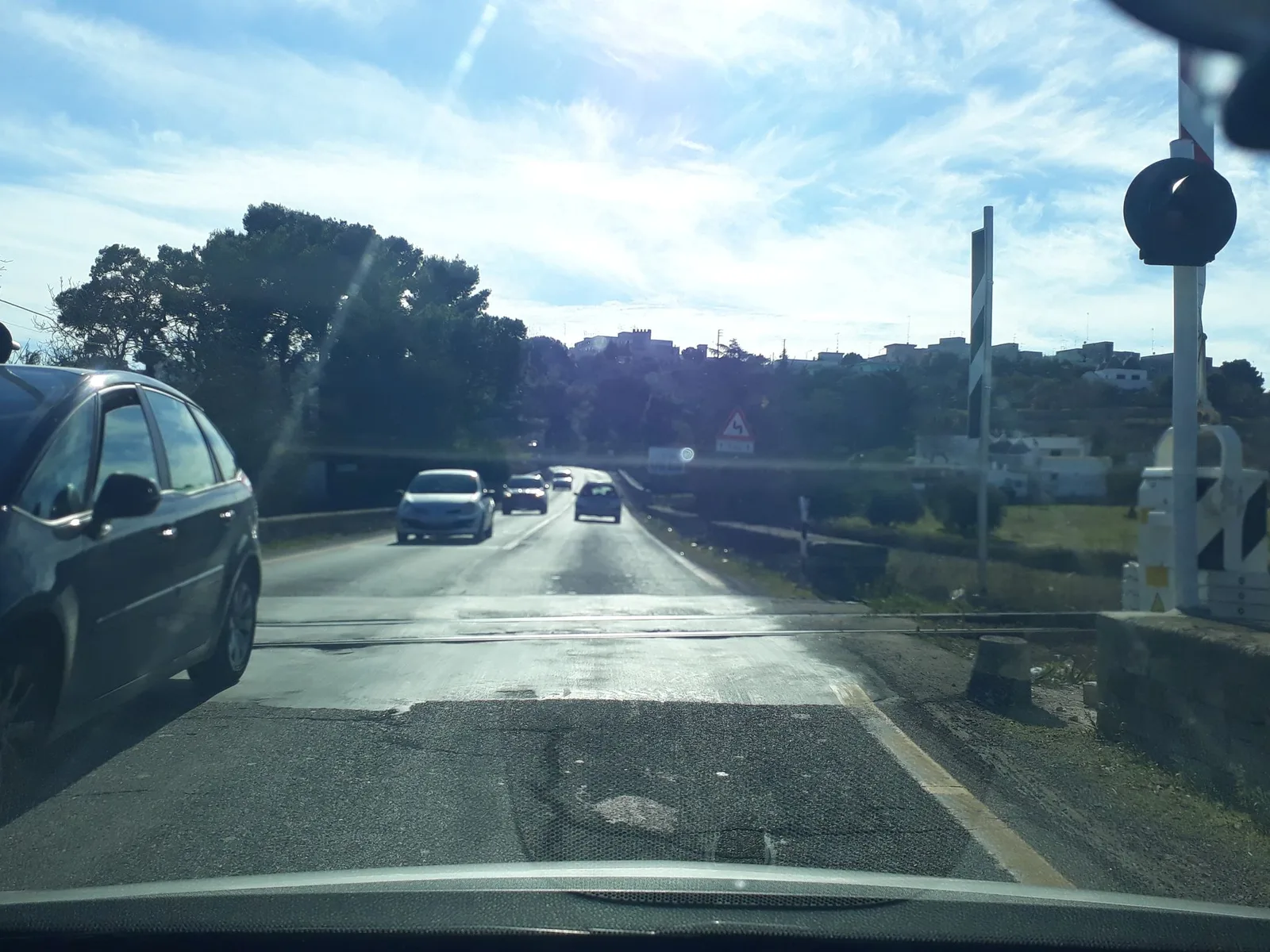
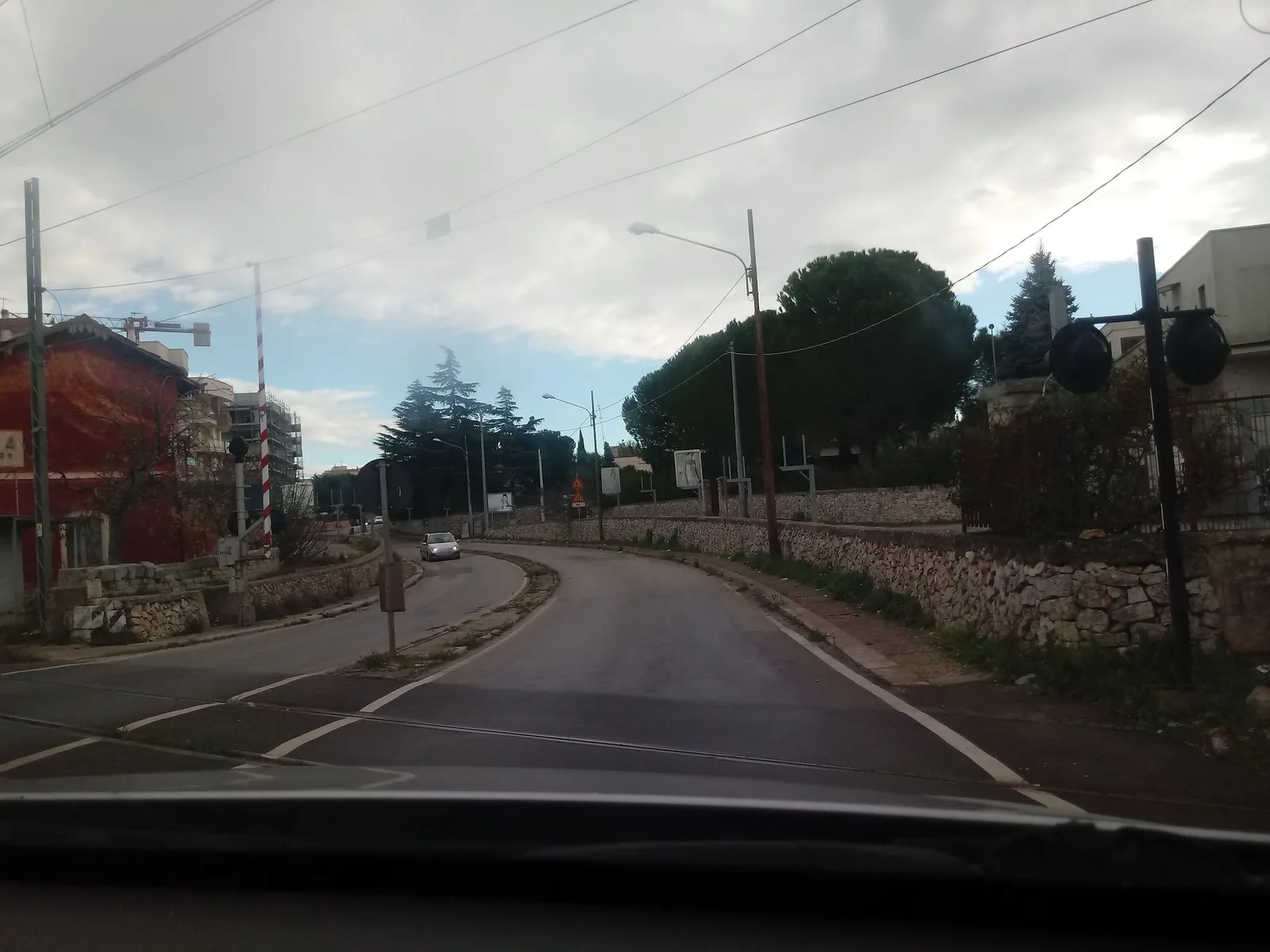
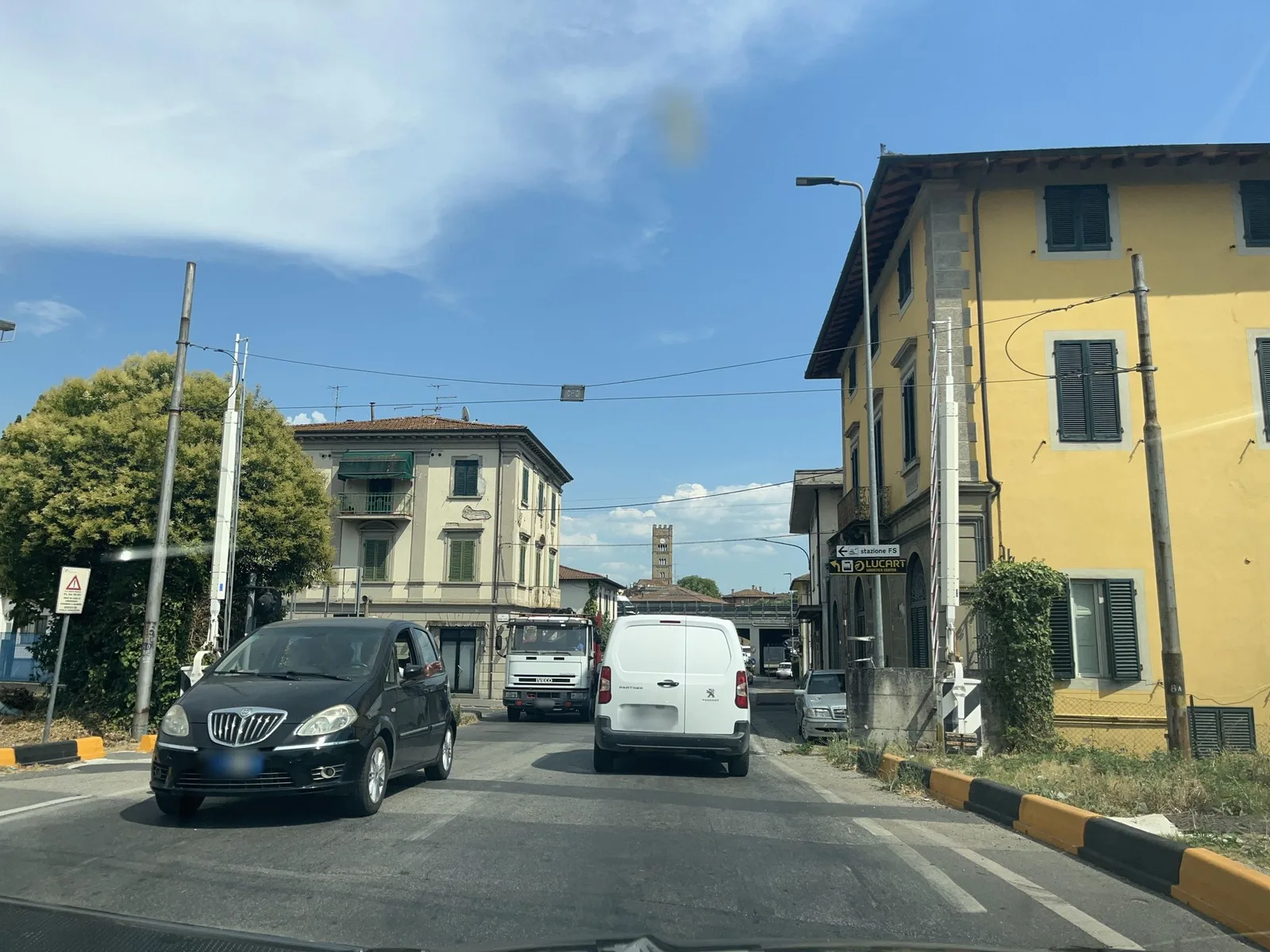
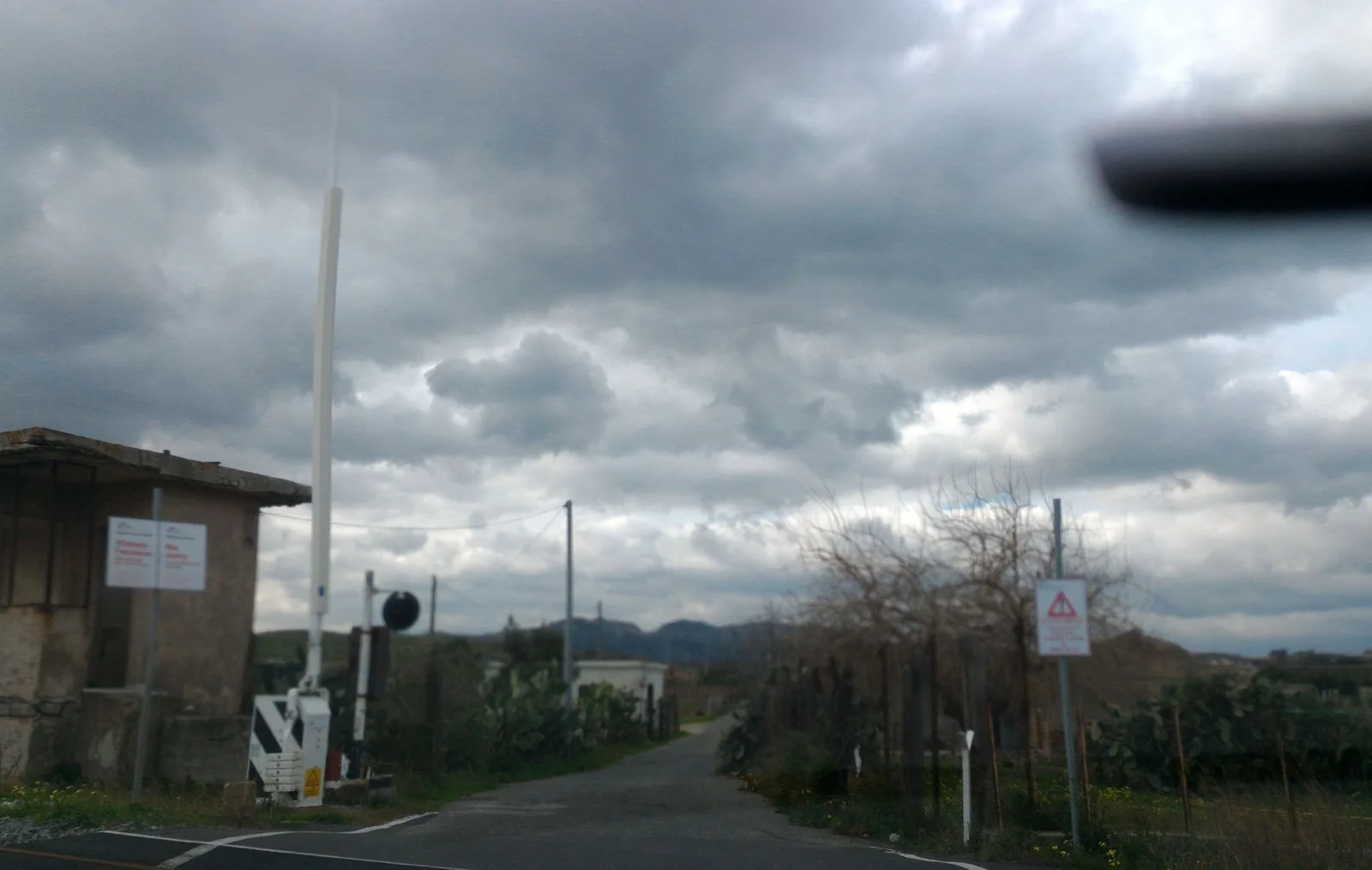
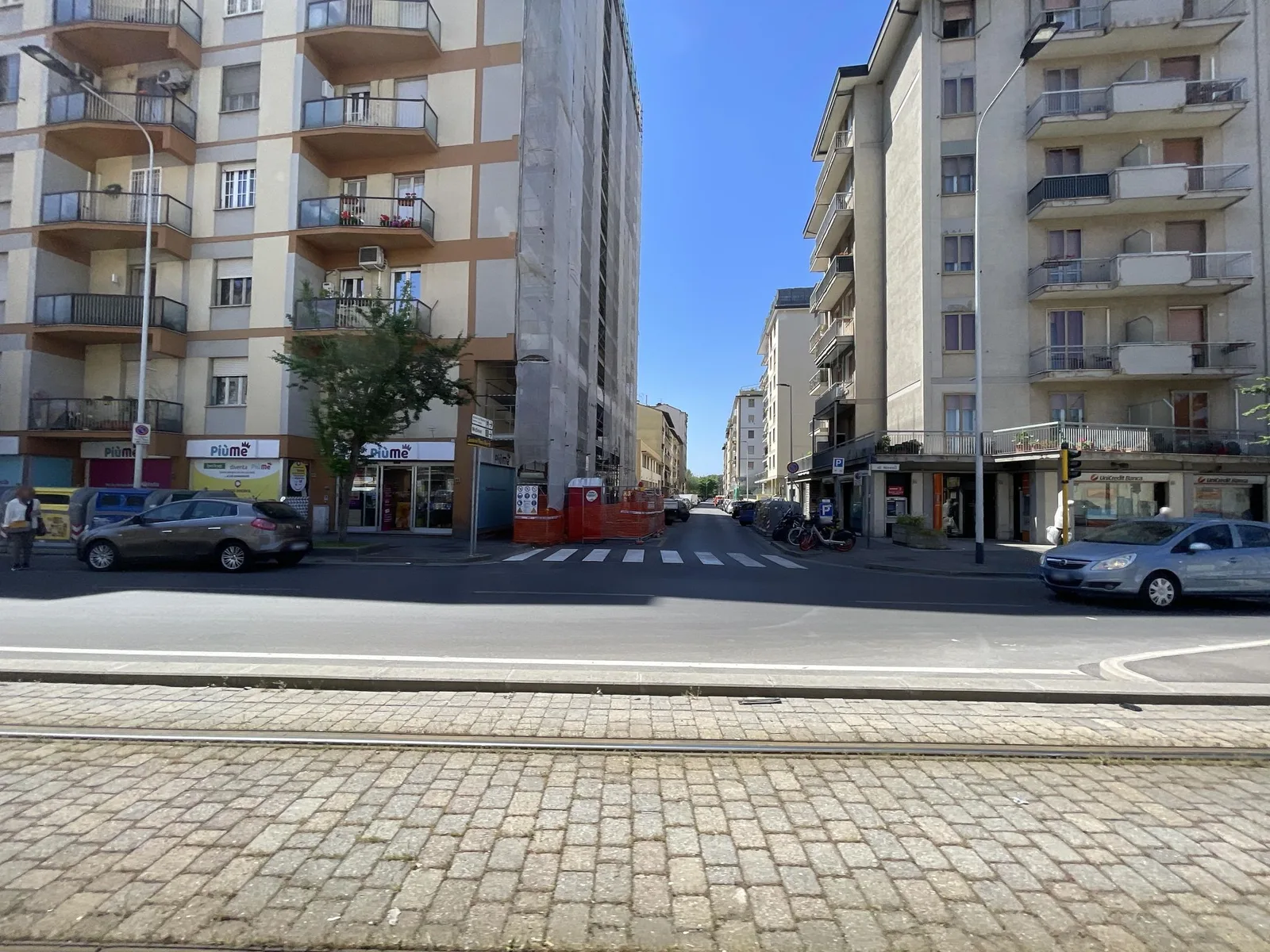
The nine street-level views below show crossings across Italy, where local settings vary widely.
2. RFI, ANSFISA and DIGIFEMA
RFI, the national infrastructure manager, runs the removal and modernisation programme and reports on the network it operates [1, ↗].
ANSFISA (Agenzia Nazionale per la Sicurezza delle Ferrovie e delle Infrastrutture Stradali e Autostradali) is the national safety authority for rail and road, created in 2019. It supervises railway and road safety within the European framework, where the European Union Agency for Railways tracks common safety indicators [5, ↗] [11, ↗] [12, ↗].
DIGIFEMA investigates accidents independently. It examines the causes of accidents to feed safety learning back, separately from the safety authority and the operators [7, ↗]. Regional managers such as EAV and FER run their own networks, while freight and passenger undertakings operate over the RFI infrastructure.
3. Risk-based inspection and classification
Italy prioritises its crossings through risk-based inspection and expert profiling. ANSFISA inspects under the European Common Safety Method (Regulation (EU) 402/2013), ranking by past incidents, operator reports and operational characteristics, and in 2024 it opened an inspection plan covering 60 crossings from the Veneto to Sicily [4, ↗]. RFI classifies crossings by their train-side signalling and road-side protection under the railway police regulation DPR 753/1980, from automatic barriers to the barrier-less crossings that ANSFISA Recommendation 0050191/2024 singled out for updated criticality mapping [9, ↗] [10, ↗].
The criteria weigh accident history, traffic and the protection already in place. Beyond those criteria, the road environment, land use and the route the crossing carries between the places on either side belong to a separate reading.
4. Elimination and the PAI-PL programme
Each year RFI removes 60 to 80 crossings and replaces them with bridges or underpasses. In 2024, RFI eliminated 61 crossings for about 71 million euros, after 79 in 2023 for about 67 million euros, with 74 planned for 2025 [2, ↗] [3, ↗].
Alongside removal, RFI deploys PAI-PL (Protezione Automatica Integrativa), a radar and laser obstacle-detection system rated to SIL 4 that stops rail traffic when it detects an obstruction on the crossing. By the end of 2024, 200 crossings carried PAI-PL, with a target of 400 in 2025 under a 494 million euro tender [8, ↗].
Removal closes the at-grade interface and moves road users, cyclists and local traffic onto another route, which brings the road authority and sometimes the landowner into the project alongside RFI. A crossing decision is therefore as much an access decision as a safety one.
On 28 November 2023, a train struck a lorry at the Thurio crossing, killing two people at a crossing that appeared to function, which triggered an eight-hour national rail strike and a DIGIFEMA investigation that reported in February 2025 [7, ↗]. In 2024, ANSFISA recorded 103 significant railway incidents, 77 percent of them involving unauthorised pedestrians [6, ↗].
5. What sits around the crossing
The inspection plan ranks crossings for safety, and RFI moves selected sites toward removal, grade separation or PAI-PL protection, where archaeological sites and protected landscapes can limit the engineering options.
SAMRoute structures that surrounding layer on a common reference, with the same geography, repeatable indicators, a regular refresh and traceable sources. It compares crossings one against another and reads each crossing site by site, beside the railway safety apparatus, for safety prioritisation as much as removal and modernisation decisions.
6. References
Infrastructure manager and programme
[1] RFI. Passaggi a livello, sicurezza e tecnologie (RFI level crossing technology page). Read
[2] RFI. ILCAD 2025, 61 passaggi a livello eliminati nel 2024 (FS News, June 2025). Read
[3] RFI. ILCAD 2024, 79 passaggi a livello in meno nel 2023 (FS News, June 2024). Read
[8] Generale Costruzioni Ferroviarie. PAI-PL, Protezione Automatica Integrativa dei Passaggi a Livello (GCF). Read
Safety authority and independent investigation
[4] ANSFISA. Passaggi a livello, al via un piano di ispezioni sulla sicurezza (national safety authority). Read
[5] ANSFISA. Relazione annuale attività 2024 (annual activity report). Read
[6] ANSFISA. Ferrovie, incidenti 2024 sotto la media decennale (2024 rail incident statistics). Read
[7] DIGIFEMA. Relazione finale, Thurio 28-11-2023 (final investigation report, February 2025). Read
[9] Camera dei Deputati. IX Commissione, audizione ANSFISA (parliamentary hearing, February 2025). Read
Legal and European framework
[10] RFI. DPR 753/1980 (railway safety and police regulation, foundational text). Read
[11] European Union Agency for Railways. Railway Safety Overview 2025 (ERA, data to 2023). Read
[12] European Parliament and Council. Directive (EU) 2016/798 of 11 May 2016 on railway safety (transposed by D.Lgs. 50/2019, establishing ANSFISA). Read