Level crossings in Denmark. Comparing crossings before barrier protection and removal decisions
Denmark keeps removing and barriering its level crossings on the schedule of a national signalling renewal, with Banedanmark managing the network and the inventory, Trafikstyrelsen acting as the railway safety authority, and Havarikommissionen investigating accidents.
The following sections present the accident record, the level crossing system, the public actors, the regime built on the signalling renewal, and the closure programme tied to the signalling rollout. The last section covers the territorial context that SAMRoute models.
1. Accident history at level crossings
Across the European Union, level crossings cause about one percent of road fatalities yet account for close to a third of railway fatalities [14, ↗], a risk each member state manages under Directive (EU) 2016/798 [15, ↗].
Denmark has barriered almost all its passenger-line crossings and closed more than 400 since 2009, so the deaths now concentrate at the handful that still carry only lights and bells [2, ↗] [3, ↗]:
- On 5 July 2025, a van with a trailer was struck by an InterCityLyn at the unbarriered Kådnervej crossing in Kliplev, killing the 24-year-old driver [11, ↗].
- On 15 August 2025, a slurry tanker and an intercity train collided at an unbarriered crossing near Bjerndrup, killing a 60-year-old woman and injuring about 27 people [11, ↗].
- In 2019, a train struck a car at the unbarriered Trustrup crossing on Djursland, killing a Norwegian father and his young son [17, ↗].
Both 2025 crossings sit in Aabenraa municipality, where Banedanmark deferred the barrier works to 2027 on the signalling schedule, which prompted the towns to call for barriers sooner [12, ↗].
2. The Danish level crossing system
Banedanmark manages the national rail network and owns the level crossing inventory [1, ↗], where the 2025 count recorded 776 crossings [2, ↗]. About 406 of them sit on the state lines that carry passenger traffic, and all but nine now have barriers [2, ↗]. Those nine, on the Tinglev to Sønderborg corridor in South Jutland, carry only warning lights and bells, while a single crossing south of Tønder still has no protection at all and waits for the cross-border signalling works [2, ↗]. The stock keeps shrinking, since more than 400 crossings have closed since the systematic elimination programme began in 2009 [3, ↗].
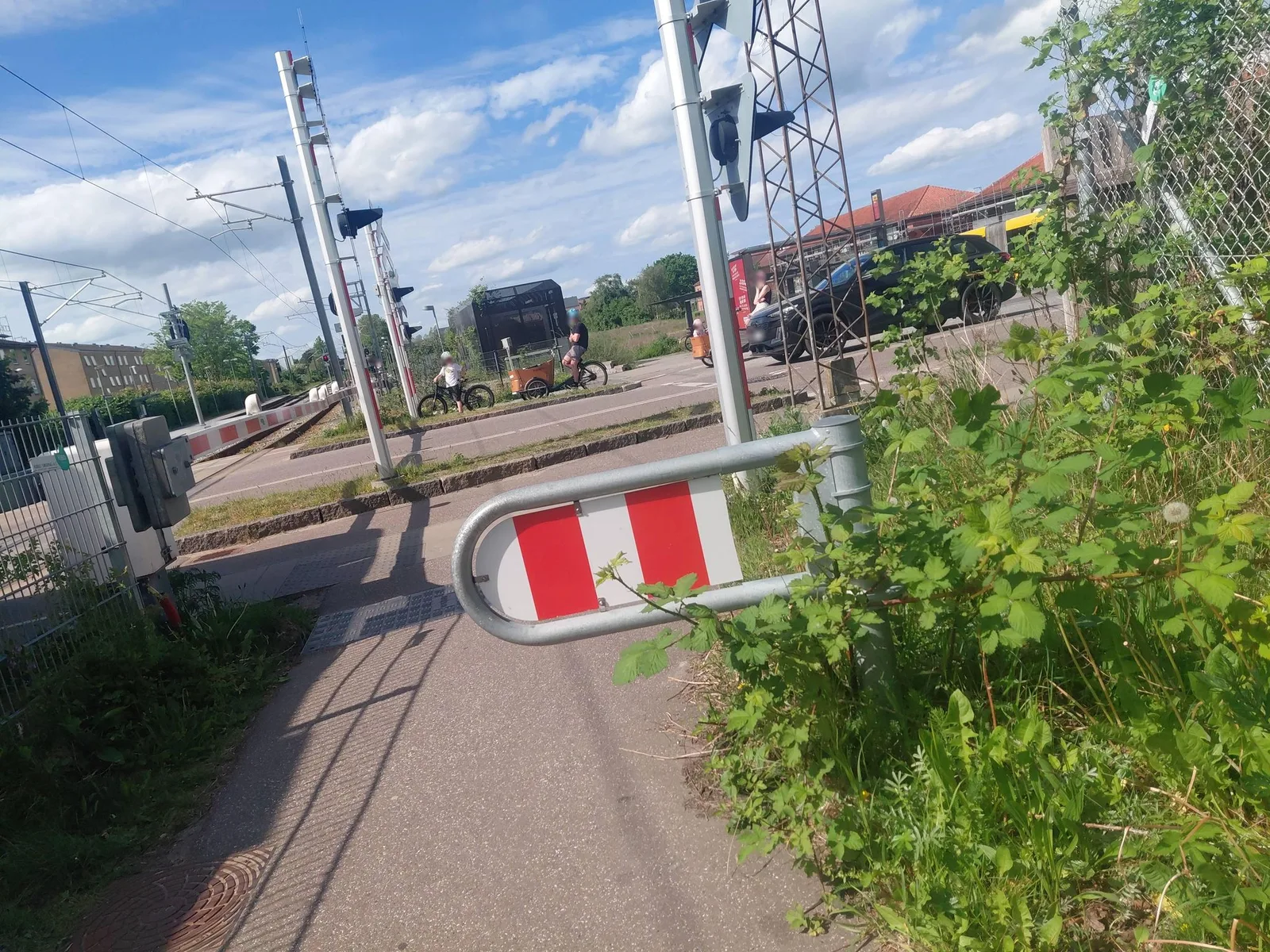
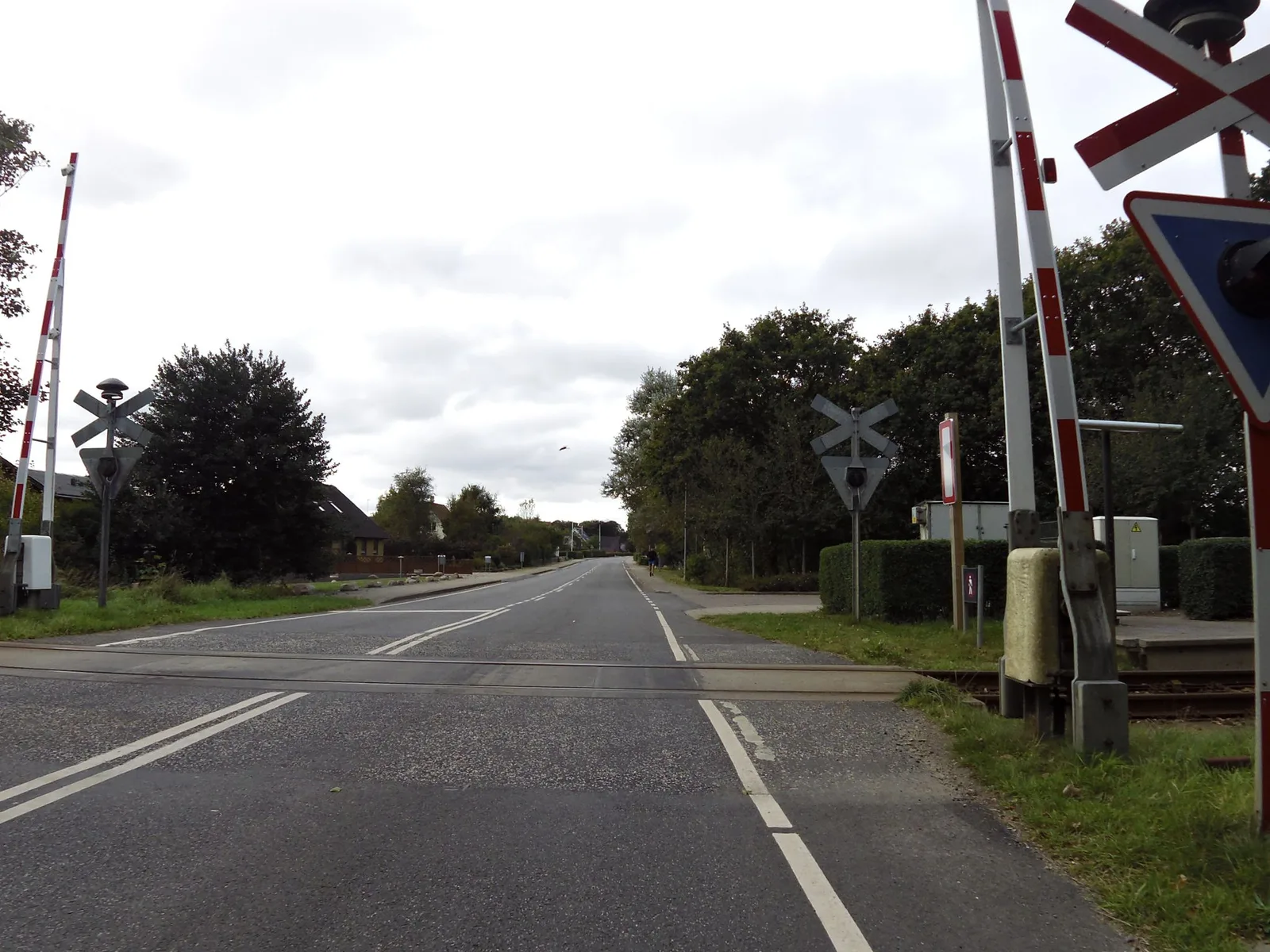
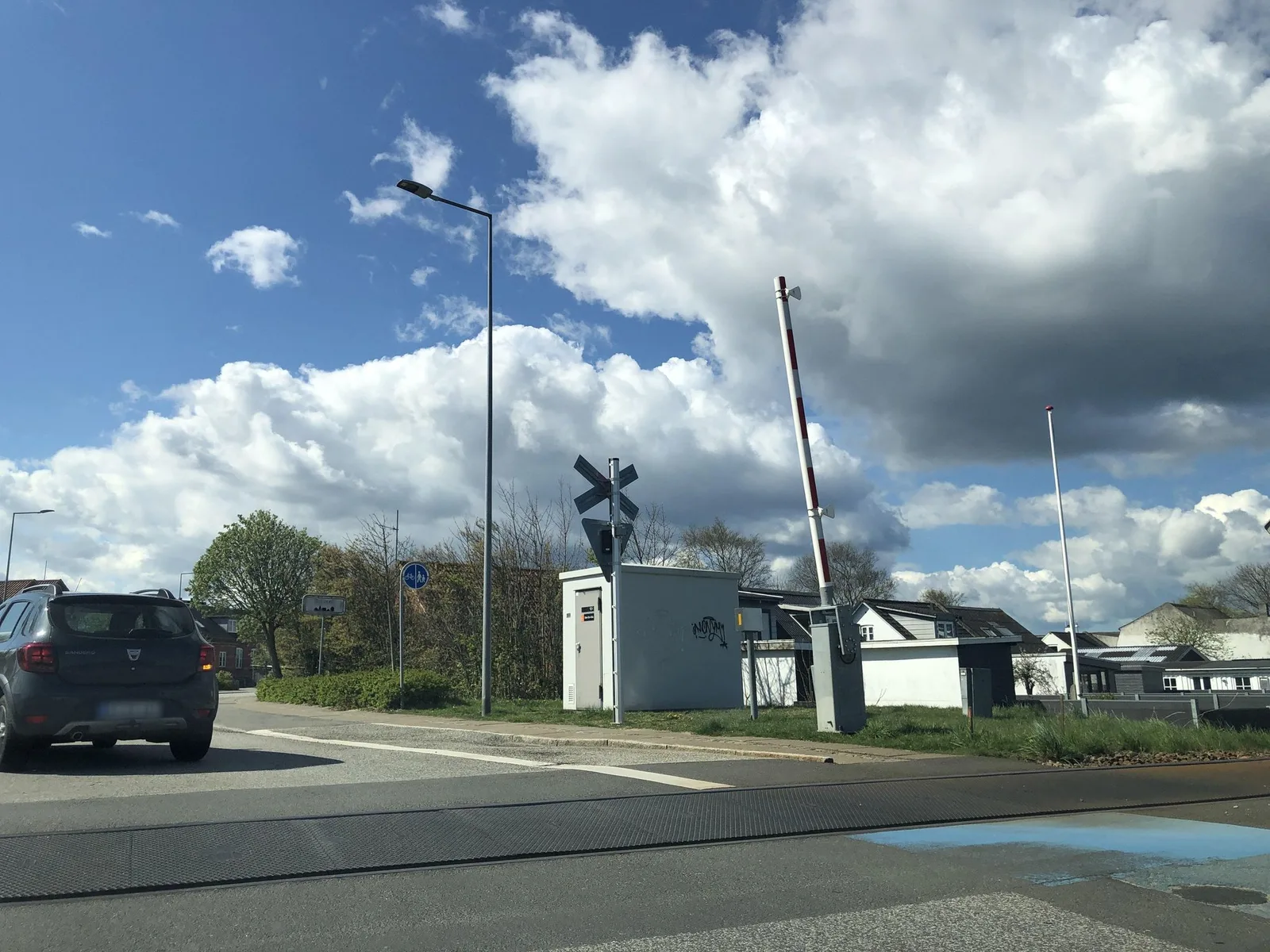
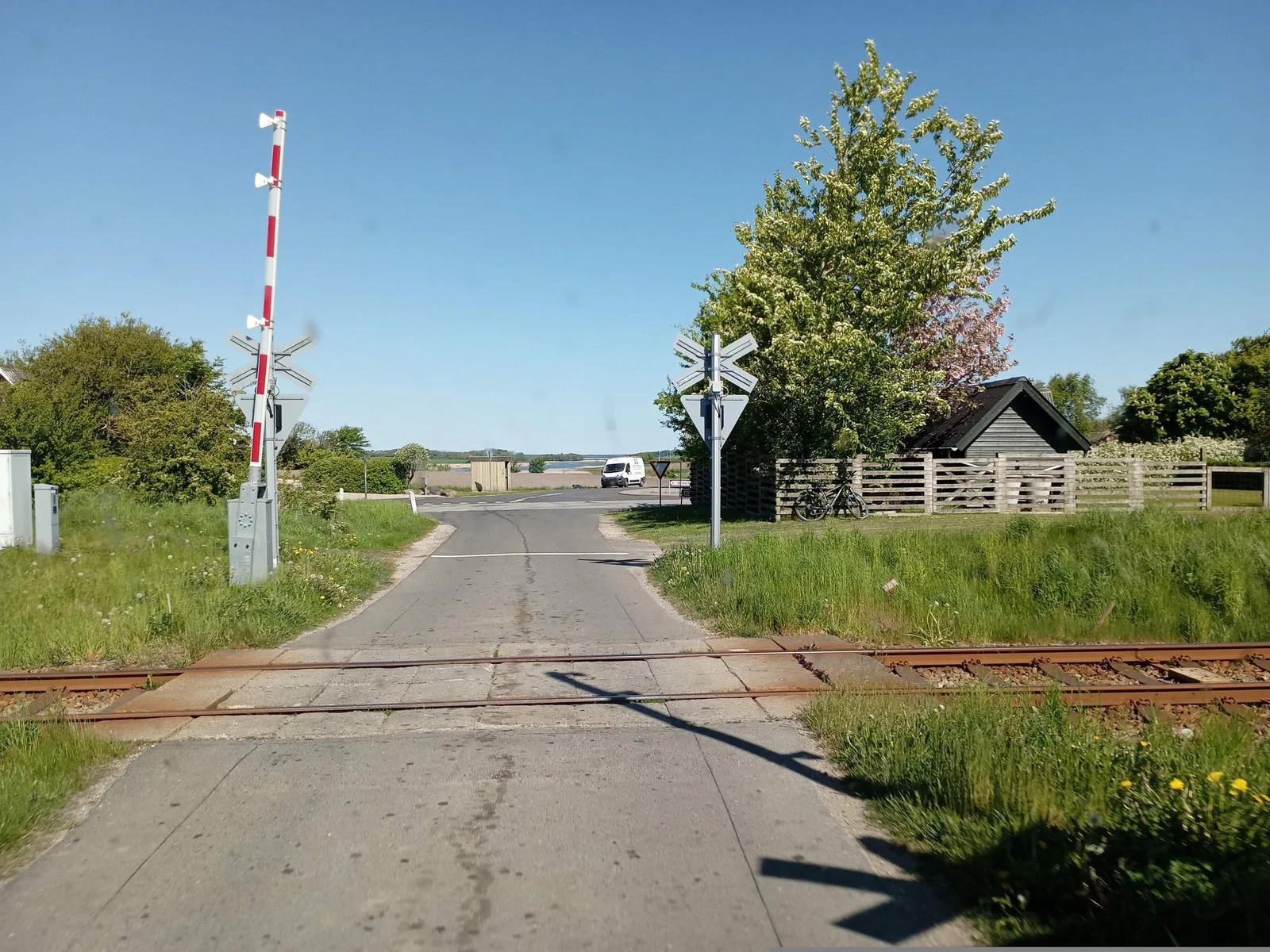
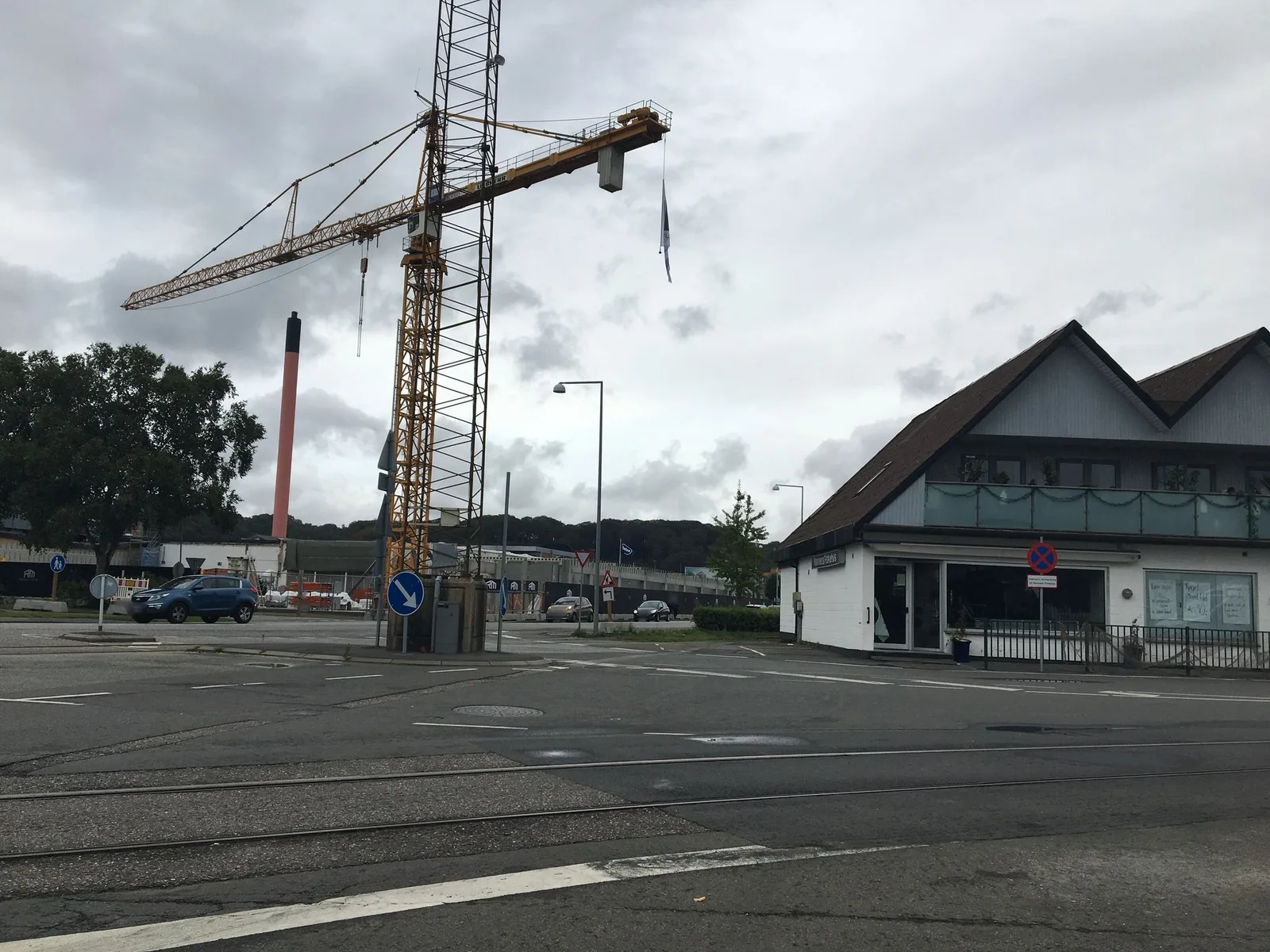
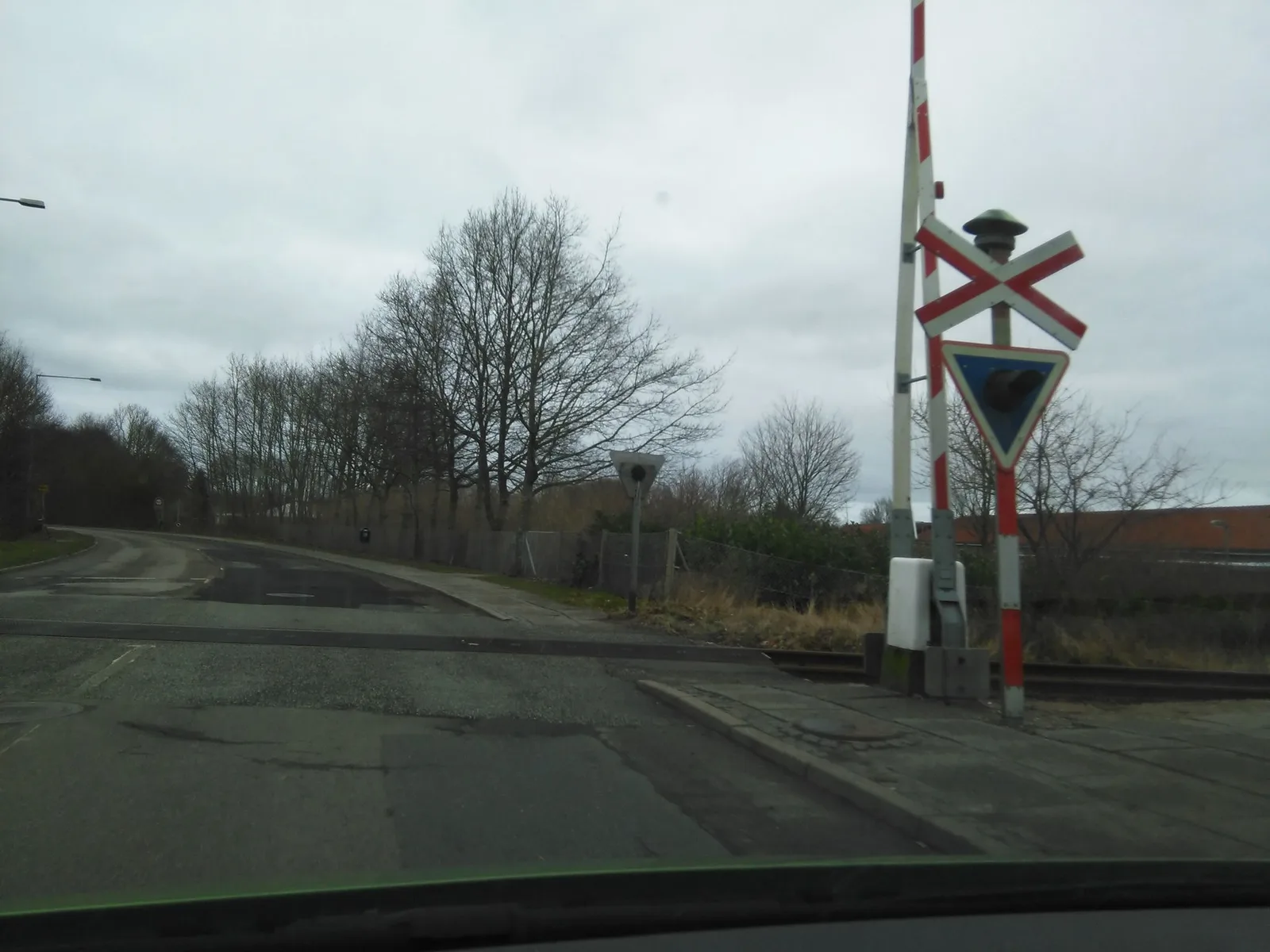
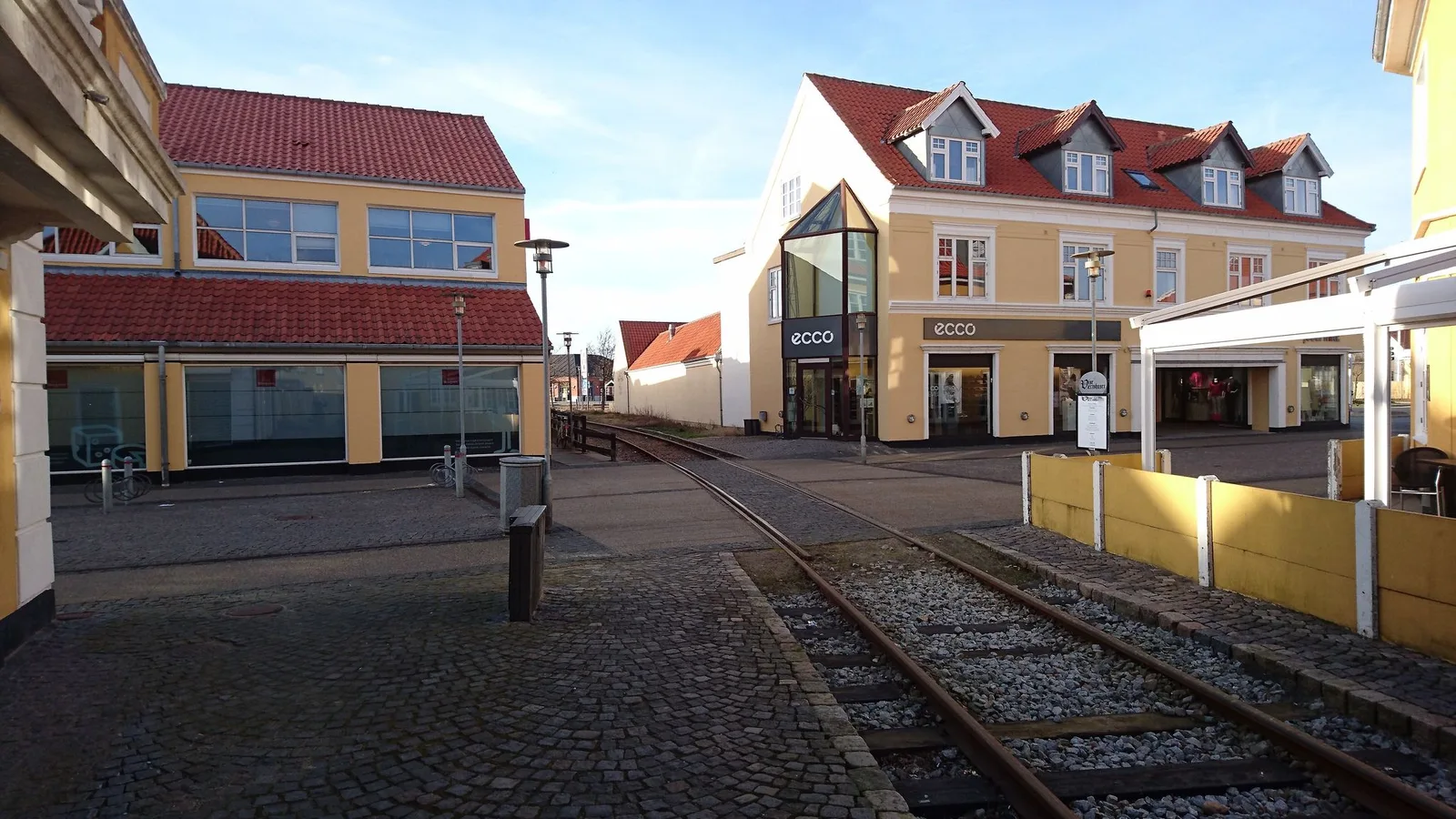
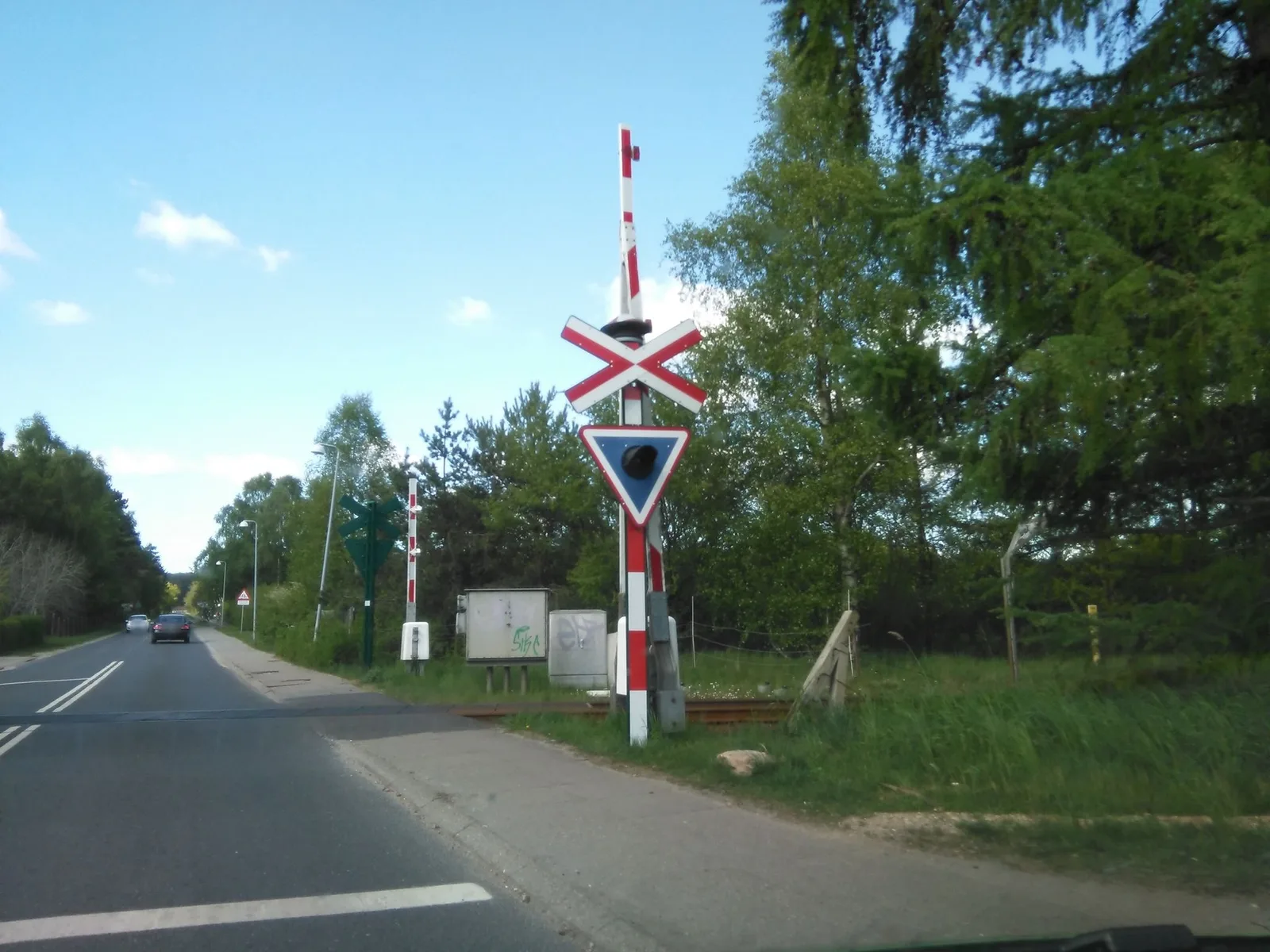
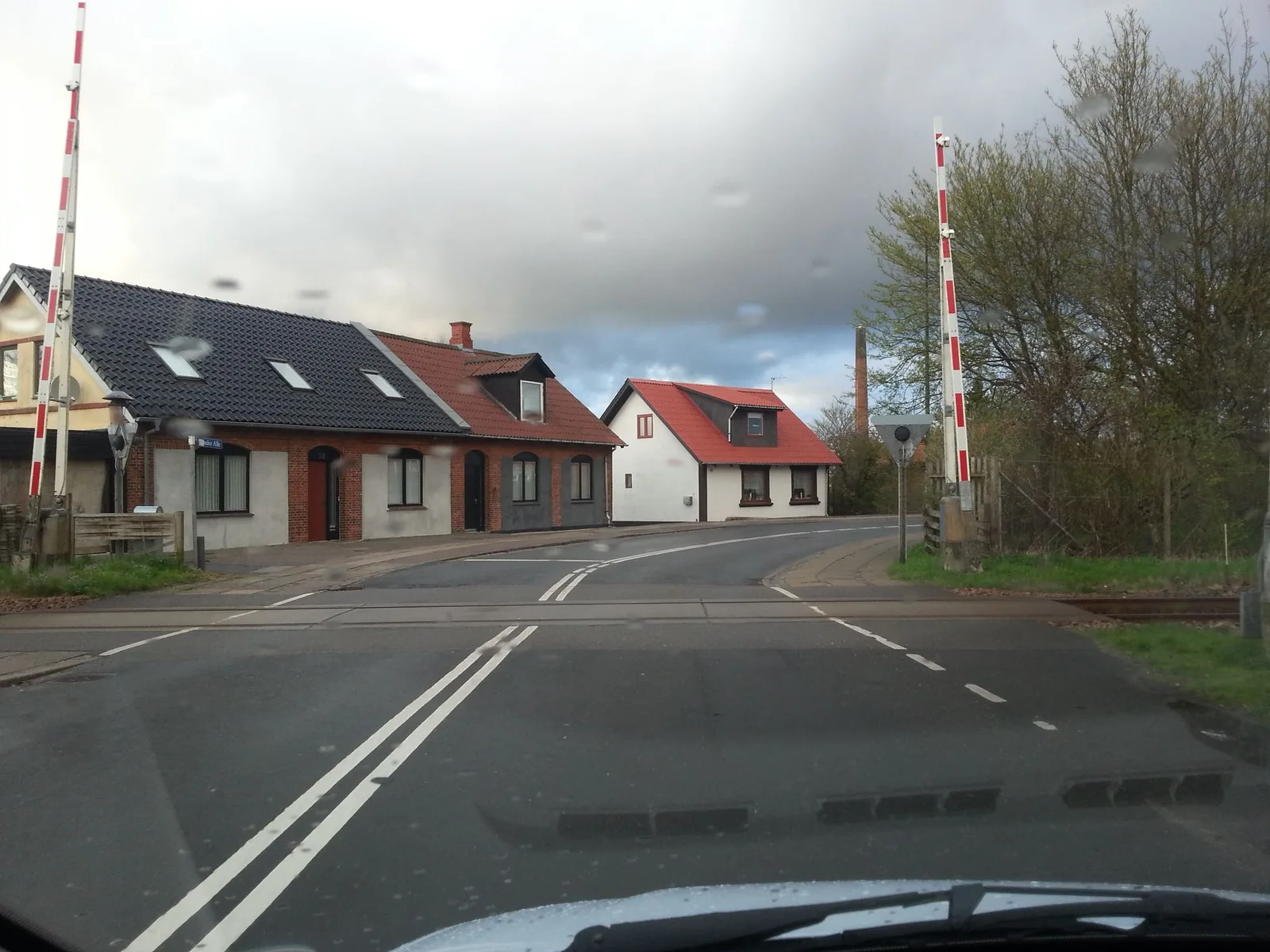
The street-level views below show crossings in rural, small-town and farm-access settings on the same network, where local settings differ widely.
3. The infrastructure manager, safety authority and accident investigator
Banedanmark, the state infrastructure manager under the Ministry of Transport, manages the crossing inventory and carries out the removal and barrier works on about 2,000 kilometres of state line [1, ↗].
Trafikstyrelsen, the Danish railway safety authority under the Ministry of Transport, supervises railway safety and interoperability and issues the approvals [5, ↗].
Havarikommissionen investigates rail accidents independently and publishes its findings [6, ↗].
4. A regime built on the signalling renewal
The Overkørselsbekendtgørelsen, the level crossing order, sets the protection each crossing must carry from the road traffic, the line speed and the local conditions [4, ↗]. The order and those conditions drive the protection, a prescriptive approach that a comparative per-crossing reading can extend.
Denmark is the first European country to convert its whole national network to the European Train Control System (ETCS) at Level 2, complete no later than 2033 [7, ↗]. The renewal replaces every legacy crossing-protection system with standardised modern equipment as it reaches each line, so the protection a crossing carries follows the rollout rather than a separate upgrade [8, ↗].
5. Closing crossings on the signalling schedule
The barrier and removal works follow the ETCS schedule, with the Jutland lines due by 2027 and the Zealand lines by 2033 [8, ↗]. The Vestbanen line between Skjern and Holstebro had 16 crossings upgraded by July 2025 [10, ↗]. Where the schedule leaves a crossing exposed in the meantime, Banedanmark fits interim measures, among them the surveillance cameras at six crossings on the Tinglev to Sønderborg line, operational from March 2026 until the barriers arrive [9, ↗].
For each crossing the programme reaches, Banedanmark first draws up a solution proposal, whether to close the crossing, divert the road to a neighbouring one or build an overpass, weighing the views of the neighbours, the crossing's users and the municipality [18, ↗]. An independent commission then reviews that proposal at an inspection hearing, and where a private crossing is expropriated the same commission alone fixes the landowner's compensation [18, ↗]. Once the decision stands, a local contractor closes or secures the crossing and builds the replacement access within three to six months [18, ↗].
6. Comparing the surroundings of crossings
A crossing is both a point of risk and a point of access.
- For the crossings that stay, the risk they carry depends on the nearby population, the emergency access, and the local routes that rely on them.
- For the crossings moving toward removal or a barrier, the same surroundings set the access question, where road users go once the crossing closes or while it is rebuilt, and rural and agricultural sites are often constrained.
Some crossings have simple alternatives. Others touch emergency access, farm circulation, nearby population or the local road network that the route through the crossing connects. Comparing those surroundings on the same reference can support prioritisation across the crossings that wait for their barriers, as much as field review, detailed engineering and budget commitment on those moving toward a project.
That is the territorial layer SAMRoute structures around crossings, with a common geography, repeatable indicators, a regular refresh and traceable sources, so one crossing can be compared with another [16, ↗].
7. References
Infrastructure manager and inventory
[1] Banedanmark. Network Statement 2026 (Banedanmark, 2024). The infrastructure manager role and the state network. Read
[2] Banedanmark. Ni overkørsler på den statslige jernbane er uden bomme (Banedanmark). The 776 crossings, the 406 on passenger lines and the nine without barriers in South Jutland. Read
[3] Banedanmark. Nedlæggelse af usikrede overkørsler (Banedanmark). The crossing elimination programme since 2009. Read
The regime
[4] Trafikministeriet. Overkørselsbekendtgørelsen (BEK nr 1142 af 07/12/2011). Sets the required protection from road traffic, line speed and local conditions. Read
[7] European Commission. National Implementation Plan for ERTMS, Denmark 2024. ETCS Level 2 complete across the network no later than 2033. Read
[8] Banedanmark. Signalprogrammet, Fjernbane (Banedanmark). The signalling renewal and its line-by-line schedule, Jutland by 2027 and Zealand by 2033. Read
Safety authority and investigation
[5] Trafikstyrelsen. Railway safety (Danish Civil Aviation and Railway Authority). The national safety authority supervising railway safety and interoperability. Read
[6] Havarikommissionen. Railway investigation results (Accident Investigation Board Denmark). The independent rail accident investigation body. Read
Programme, accidents and interim measures
[9] Banedanmark. Overkørsler får overvågningskameraer (Banedanmark, 2025). The surveillance cameras at six crossings on the Tinglev to Sønderborg line. Read
[10] Banedanmark. Vestbanen, opgradering af overkørsler (Banedanmark, 2025). The 16 crossings upgraded on the Skjern to Holstebro line. Read
[11] The Local Denmark. Danish towns call for barriers at level crossings where fatal accidents occurred (The Local, 18 August 2025). The June and 15 August 2025 fatal collisions at Kliplev and Bjerndrup. Read
[12] DR. Banedanmark afviser bomme ved omstridt jernbaneoverskæring før 2027 (DR, 2025). The deferral of barrier works to 2027 on the ERTMS schedule. Read
[17] DR. Efter tragisk ulykke ved jernbaneoverkørsel uden bomme (DR Østjylland, 2019). The Trustrup crossing collision on Djursland that killed a Norwegian father and his son. Read
[18] Banedanmark. Nedlæggelse af usikrede overkørsler, hvordan foregår det (Banedanmark). The solution proposal, the inspection hearing, the expropriation and compensation, and the construction. Read
European framework
[14] European Commission. Road safety thematic report, railway level crossings (European Road Safety Observatory, 2021). Crossings account for about one percent of road fatalities and close to a third of railway fatalities. Read
[15] European Parliament and Council. Directive (EU) 2016/798 of 11 May 2016 on railway safety (OJ L 138, 26.5.2016). Requires each Member State to set up a national safety authority and an independent investigating body. Read
[16] SAMRoute. Rail cadence, level crossings and emergency access (position page). Open