Level crossings in Germany. Comparing sites before removal and modernisation decisions
Germany keeps removing and modernising its level crossings, with DB InfraGO managing the national network and the inventory, the Eisenbahn-Bundesamt acting as the federal safety authority, the Bundesstelle für Eisenbahnunfalluntersuchung investigating accidents, and a prescriptive regime under the EBO fixing how each crossing is protected.
- For the crossings that remain in service, the nearby population, emergency access, local roads, land use and development pressure form the territorial context.
- For the crossings that move toward removal or grade separation, the crossing is closed or grade-separated. Road users, cyclists and local traffic then rely on different routes.
The following sections present the level crossing system, the public actors, the prescriptive regime under the EBO, as well as the elimination and digitalisation programme. The last section covers the territorial context that SAMRoute models.
1. The German level crossing system
DB InfraGO (formerly DB Netz, renamed in January 2024) manages the national rail network and owns the level crossing inventory [3, ↗] [10, ↗]. At the end of 2023, about 15,820 level crossings remained on the DB network, the lowest in DB history and down from roughly 28,000 in the mid-1990s, with about 13,529 under DB InfraGO's direct management [2, ↗] [10, ↗]. Around 63 percent carry technical protection such as barriers, half-barriers or flashing lights, while the rest rely on sight lines, acoustic signals or staff [3, ↗]. Some 140 non-federal railways (NE-Bahnen) manage further crossings outside the DB perimeter [2, ↗].
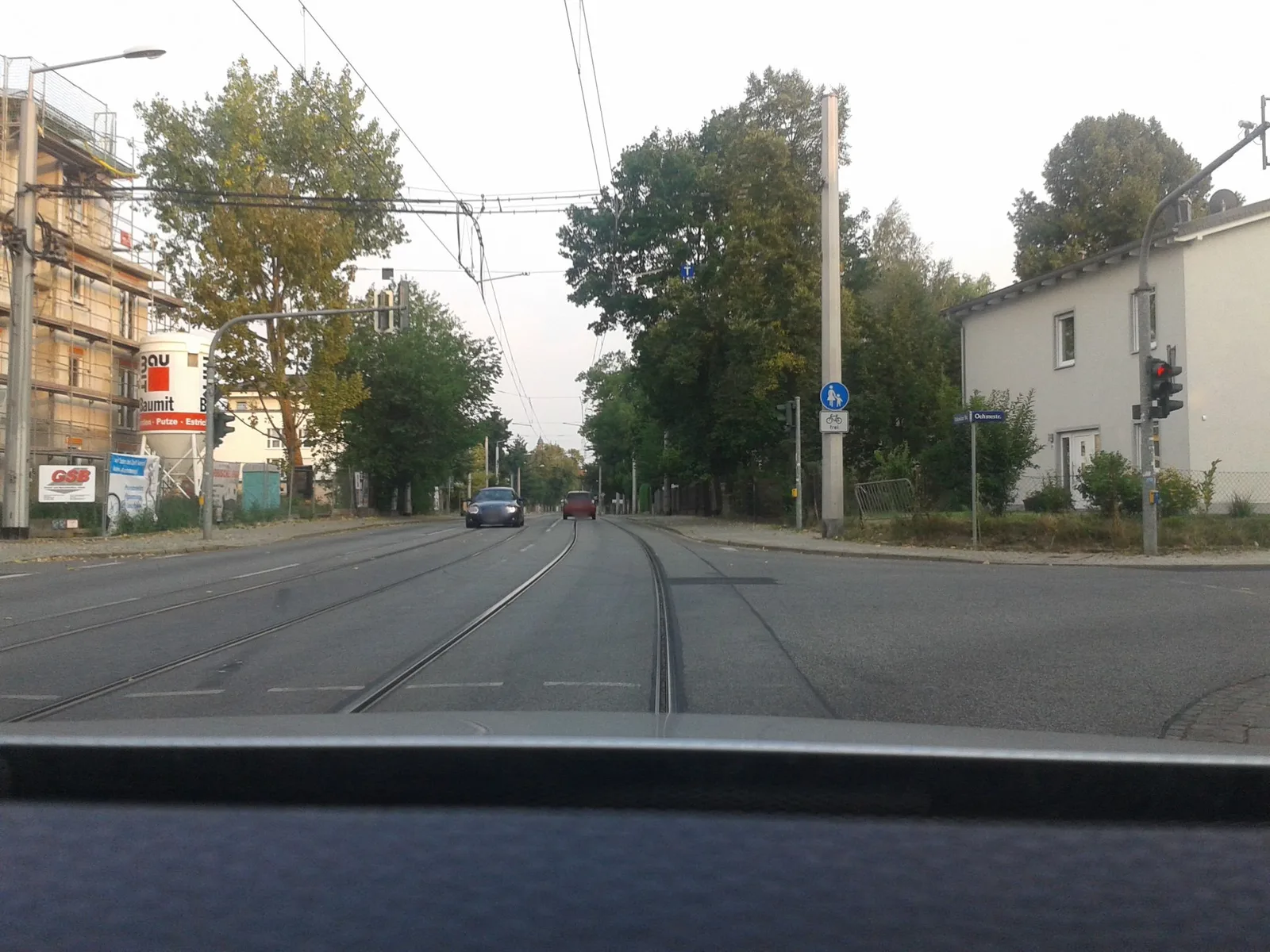
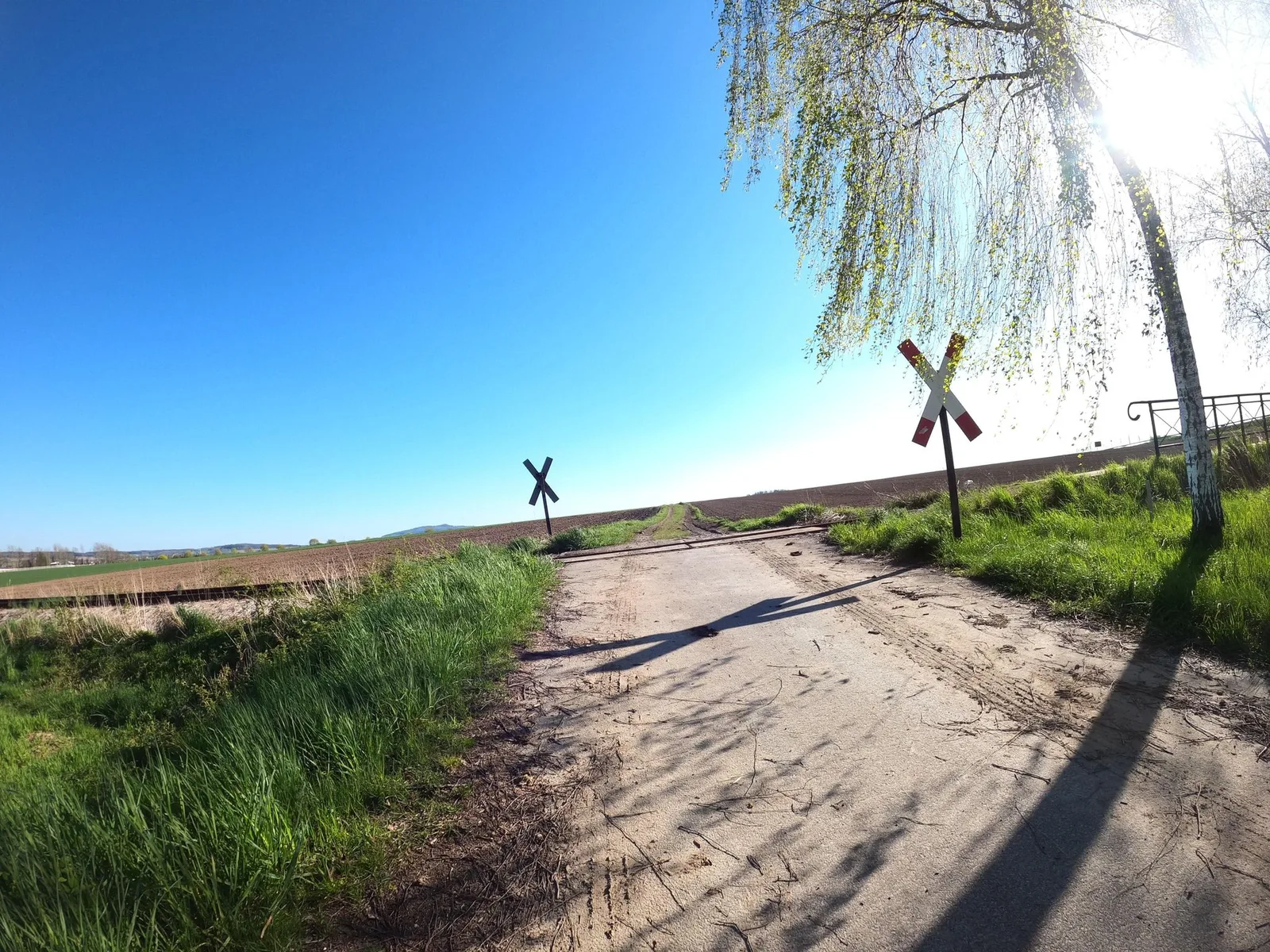
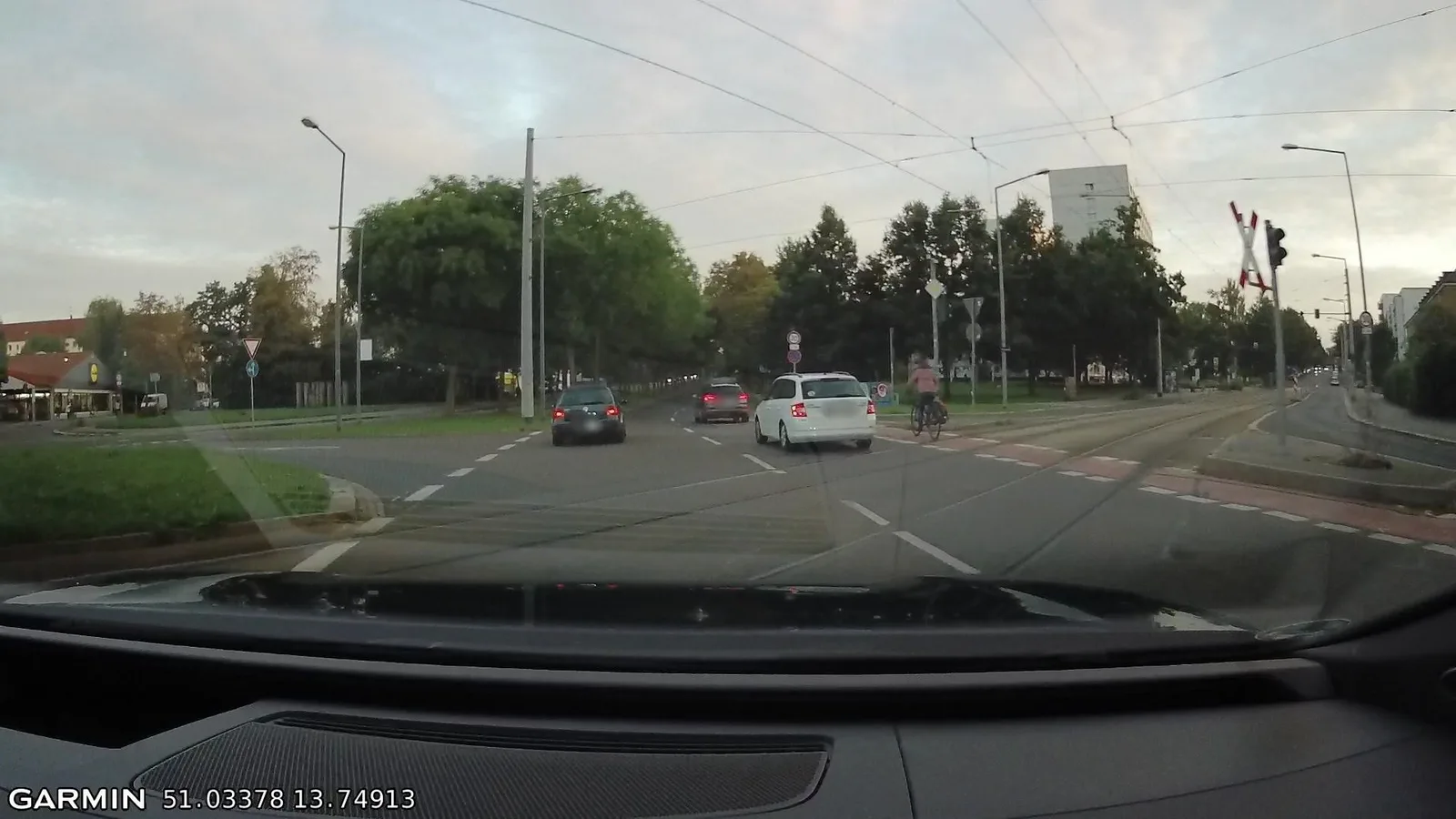
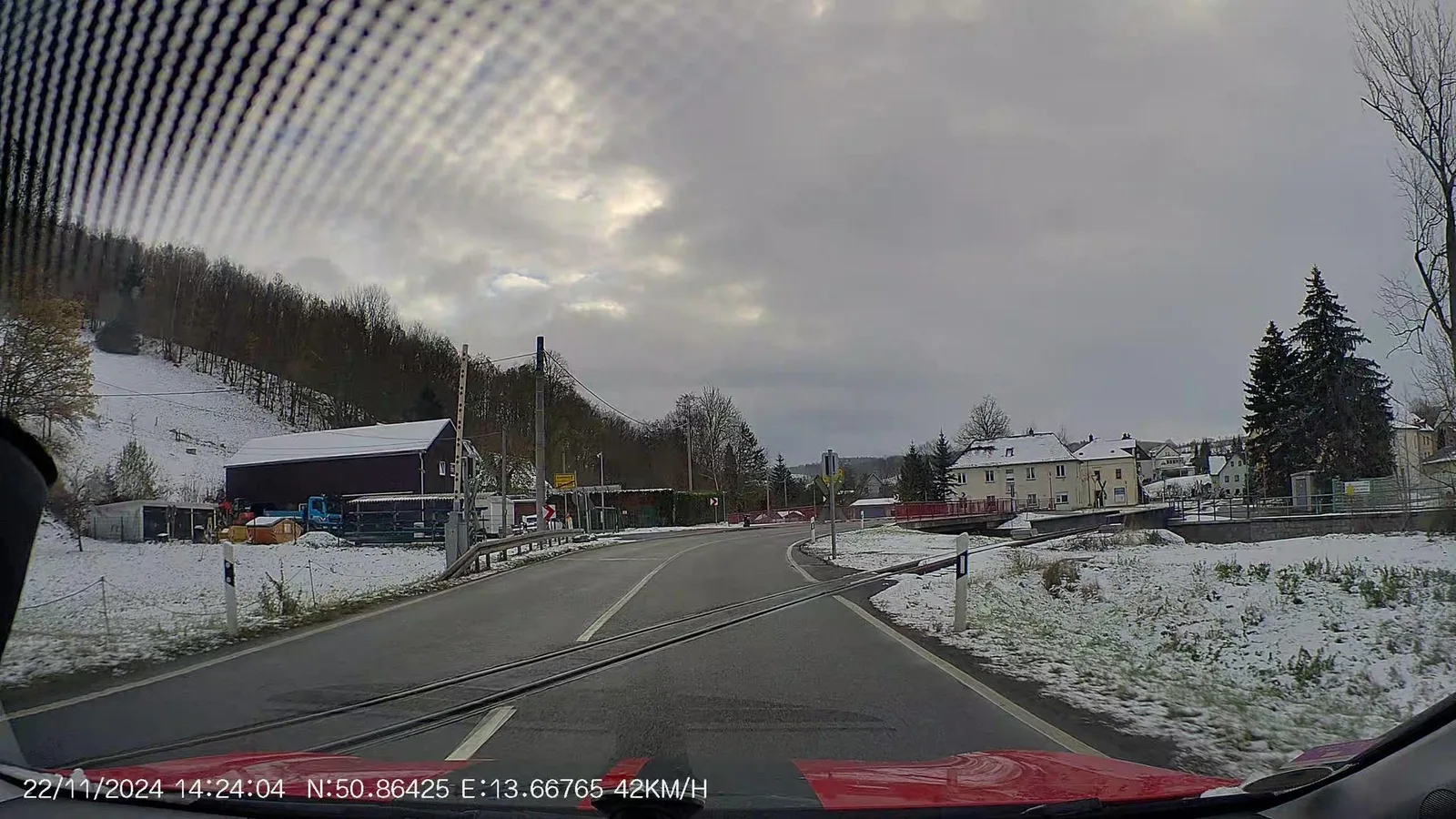
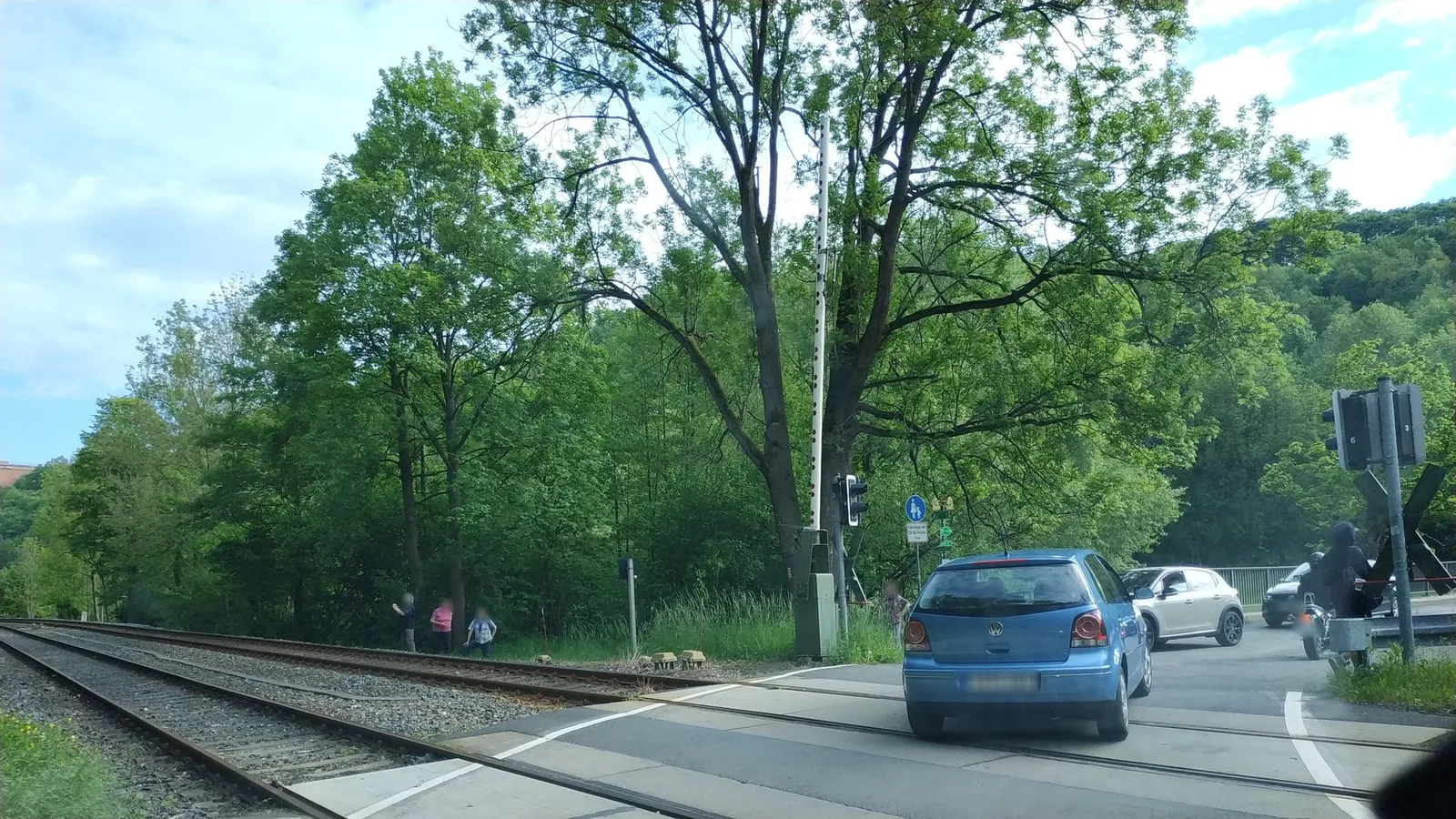
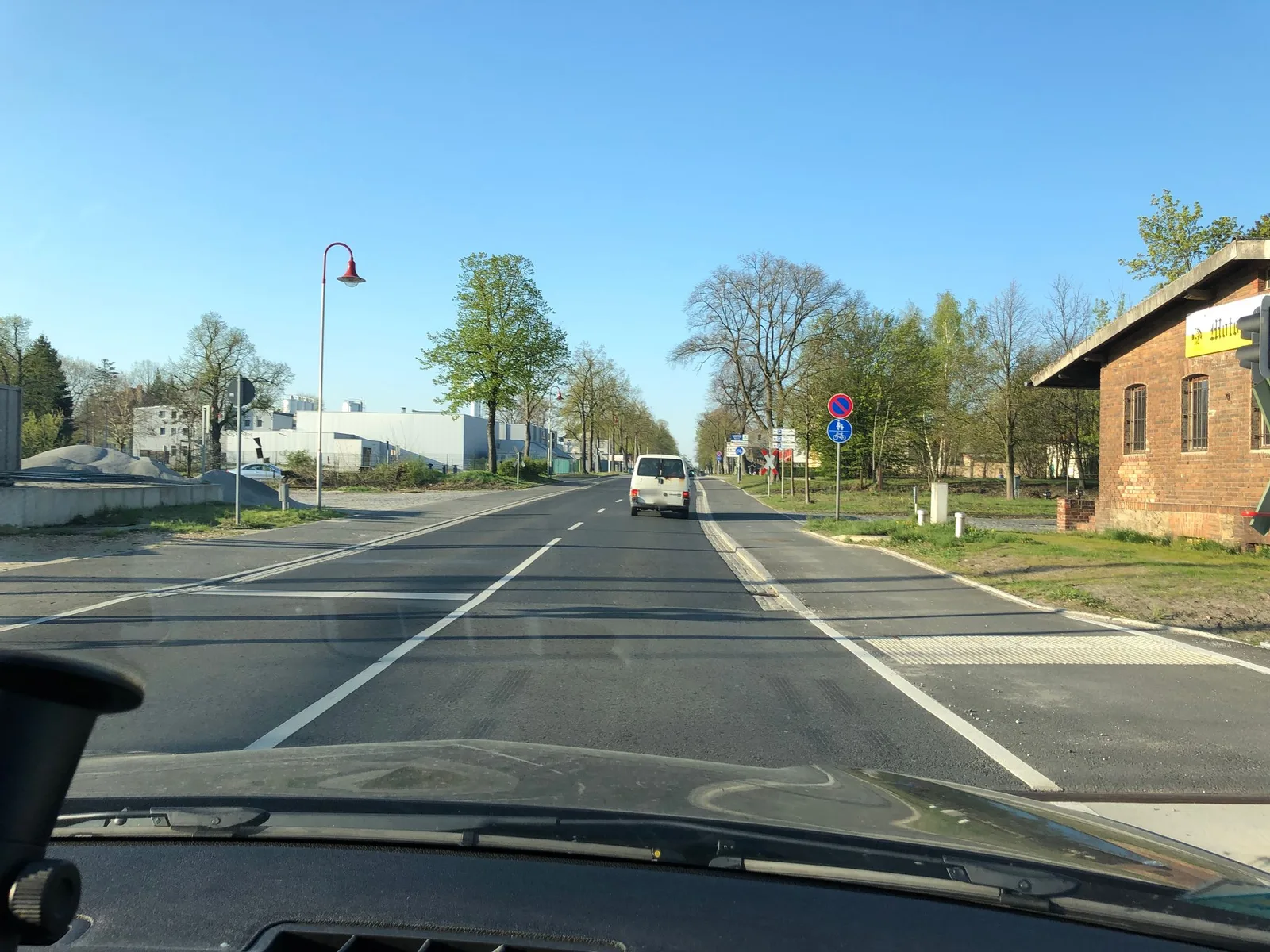
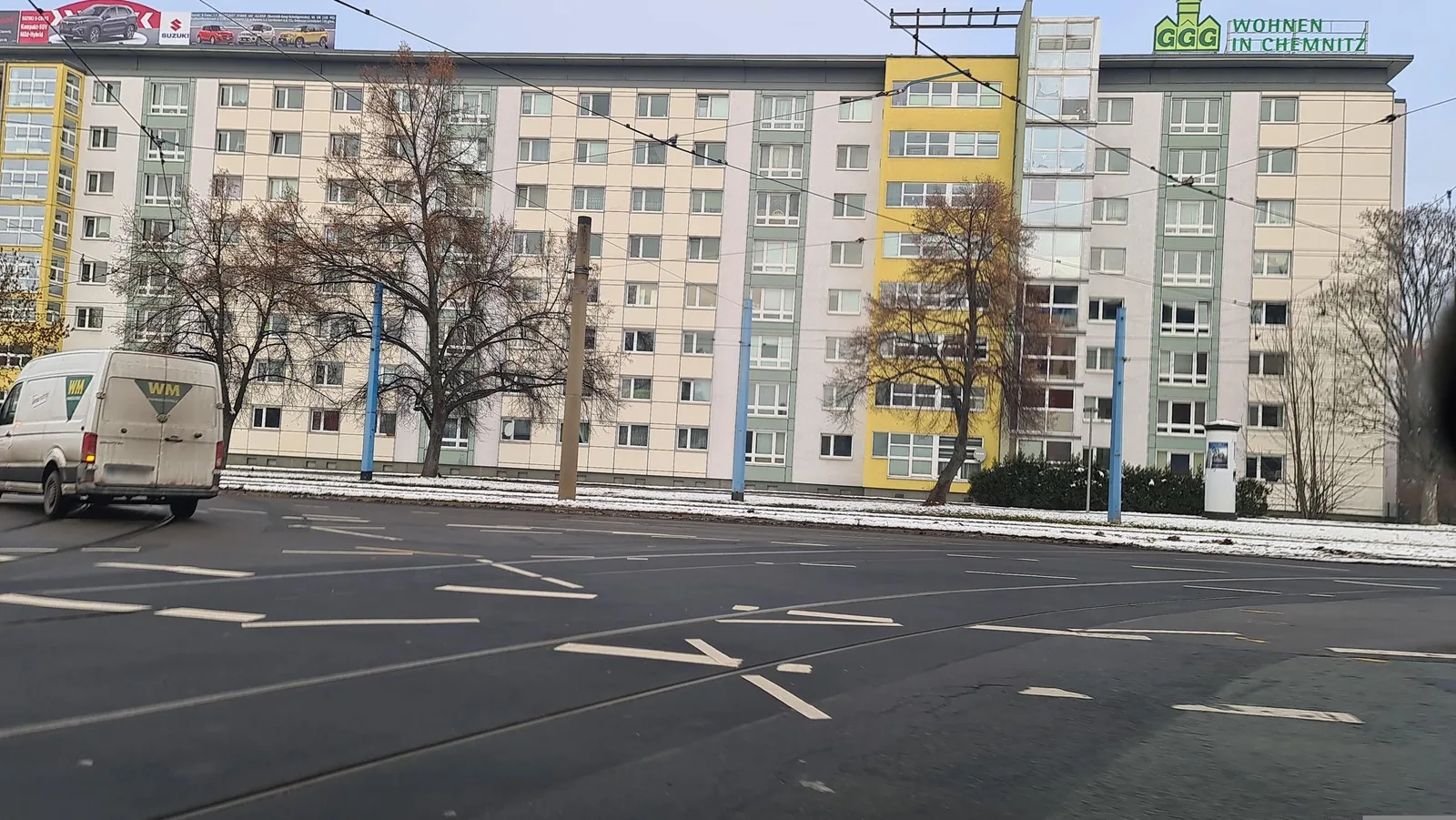
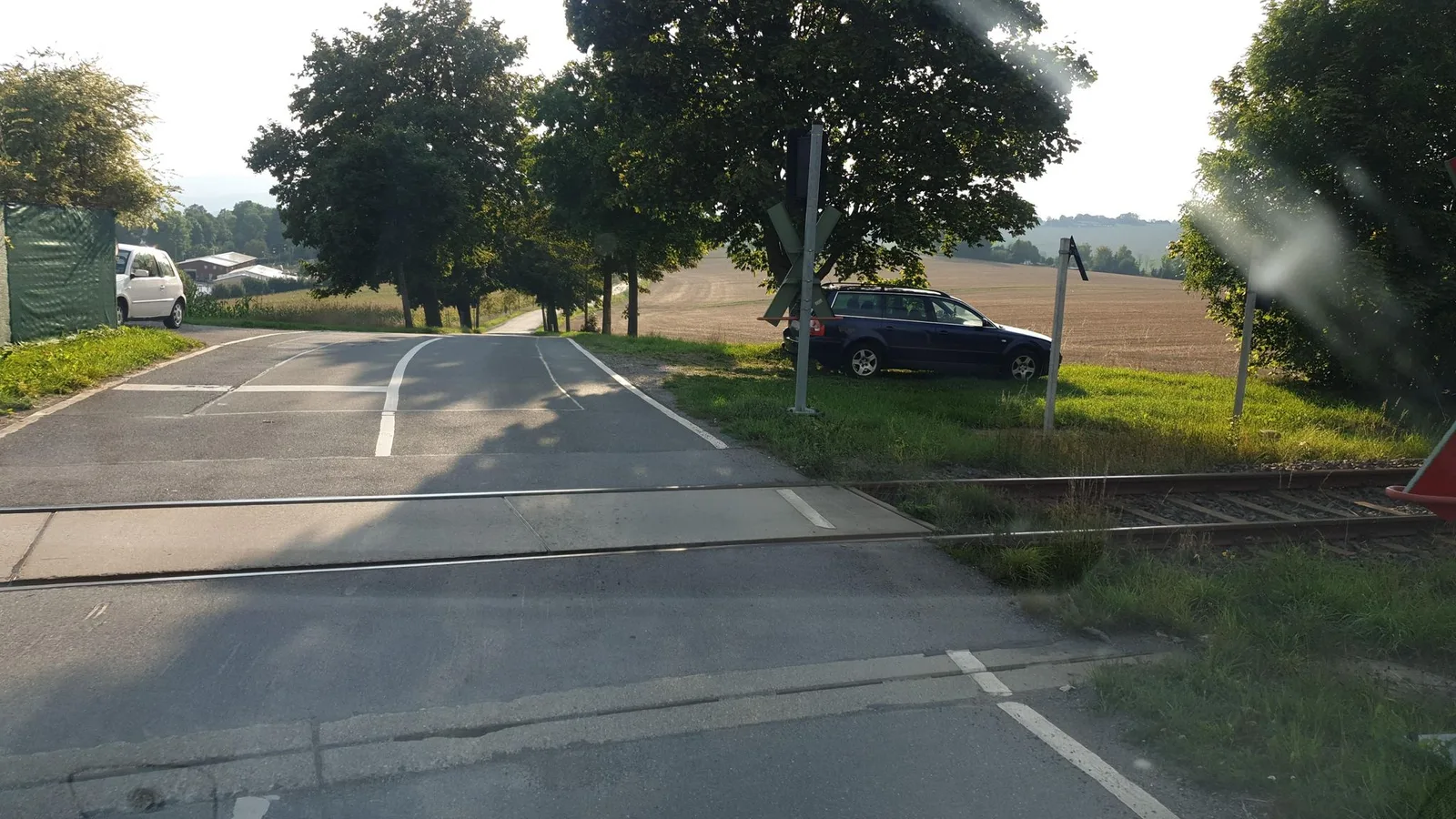
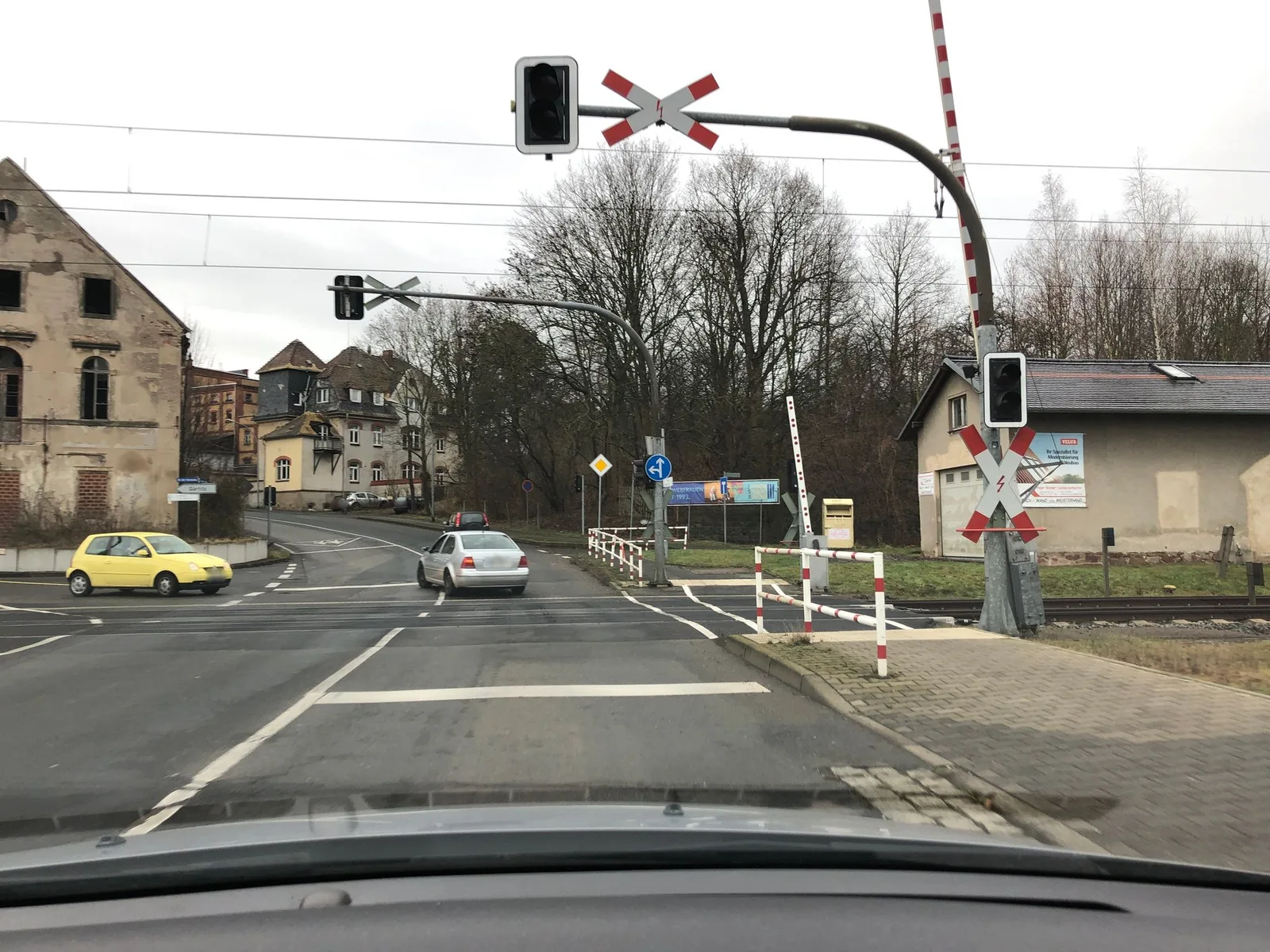
The nine street-level views below show crossings across Germany, where local settings vary widely.
2. DB InfraGO, the EBA and the BEU
DB InfraGO, the national infrastructure manager and part of Deutsche Bahn, runs the removal and modernisation programme and reports on the network it operates [10, ↗].
The Eisenbahn-Bundesamt (EBA), based in Bonn, is the federal safety authority. It supervises railway safety within the European framework, where the European Union Agency for Railways tracks common safety indicators [2, ↗] [8, ↗] [9, ↗].
The Bundesstelle für Eisenbahnunfalluntersuchung (BEU) investigates accidents independently. It examines the causes of accidents to feed safety learning back, separately from the safety authority and the operators [2, ↗]. The roughly 140 non-federal railways run their own networks, while freight and passenger undertakings operate over the DB infrastructure.
3. A prescriptive regime under the EBO
Germany sets the required protection for each crossing through prescriptive regulation. Under section 11 of the EBO (Eisenbahn-Bau- und Betriebsordnung), the protection category follows from road traffic volume, rail line speed, operating mode, sight lines and local conditions [1, ↗]. Level crossings are prohibited above 160 km/h, and new crossings on motor-vehicle roads must be grade-separated [7, ↗].
The insurers' accident research arm (UDV) studied 2,566 crossings and rated them across three tiers, low, medium and high risk, and found that 69 percent of accidents come from road users ignoring or circumventing the protection [5, ↗].
The rule weighs traffic, speed and the local conditions at the crossing. Beyond those, the road environment, land use and the route the crossing carries between the places on either side belong to a separate reading.
4. Elimination, cost-sharing and Digital Rail
Since the mid-1990s, Germany has roughly halved its crossing stock, from about 28,000 to 15,820, through closures and grade separations tied to line upgrades [2, ↗] [10, ↗]. The Eisenbahnkreuzungsgesetz (EKrG, 1963) shares the cost of each removal or grade separation between the federal government, the Land, the railway and the road authority [4, ↗]. Digitale Schiene Deutschland replaces ageing signal boxes and crossing-protection systems with digital equipment, part-funded by the European Union [3, ↗].
Removal closes the at-grade interface and moves road users, cyclists and local traffic onto another route, which brings the road authority and the Land into the project alongside DB InfraGO. A crossing decision is therefore as much an access decision as a safety one.
In 2024, Germany recorded 142 railway fatalities [2, ↗]. DB InfraGO's crossing condition grade worsened from 3.37 to 3.58 over the same year [10, ↗].
5. What sits around the crossing
The EBO regime sets each crossing's protection. DB InfraGO then moves selected sites toward removal, grade separation or a digital upgrade.
For the crossings that stay in service, the surroundings set the stakes of an incident. The nearby population, emergency access, local roads, land use and pressure on neighbouring land can change what the same railway event means.
For the crossings moving toward removal or grade separation, those same surroundings become an access question. Some sites have simple alternative routes. Others touch emergency response, local circulation, the nearby population or the constraints of the road network.
Comparing those surroundings on a common reference can support safety prioritisation on the crossings that stay, as much as field review, detailed engineering and budget commitment on those moving toward a project.
SAMRoute structures that territorial layer around crossings, with a common geography, repeatable indicators and traceable sources.
6. References
Infrastructure manager and programme
[3] Deutsche Bahn. FAQ Bahnübergang (DB level crossing FAQ). Read
[10] DB InfraGO AG. Geschäftsbericht 2024 (annual report, 2025). Read
Safety authority and accident statistics
[2] Eisenbahn-Bundesamt. Sicherheitsbericht 2024 (EBA annual safety report). Read
[5] Unfallforschung der Versicherer. Safety at level crossings (UDV research). Read
[6] Destatis. Unfälle und Verunglückte im Eisenbahnverkehr (Federal Statistical Office, railway accident statistics). Read
Legal and European framework
[1] Eisenbahn-Bau- und Betriebsordnung, section 11 (technical requirements for level crossings). Read
[7] Eisenbahn-Bau- und Betriebsordnung (EBO) (full text). Read
[4] Eisenbahnkreuzungsgesetz (EKrG, 1963) (railway crossing construction and financing law). Read
[8] European Union Agency for Railways. Railway Safety Overview 2025 (ERA, data to 2023). Read
[9] European Parliament and Council. Directive (EU) 2016/798 of 11 May 2016 on railway safety. Read