Level crossings in Switzerland. Comparing sites before removal and modernisation decisions
Switzerland keeps removing and modernising its level crossings, with SBB managing most of the network and the inventory, the Bundesamt für Verkehr acting as the federal safety authority, the Swiss Transportation Safety Investigation Board investigating accidents, and a prescriptive regime under the EBV fixing how each crossing is protected.
- For the crossings that remain in service, the nearby population, emergency access, local roads, land use and development pressure form the territorial context.
- For the crossings that move toward removal or grade separation, the crossing is closed or grade-separated. Road users, cyclists and local traffic then rely on different routes.
The following sections present the level crossing system, the public actors, the prescriptive regime under the EBV, as well as the 2003 to 2014 renovation and what followed. The last section covers the territorial context that SAMRoute models.
1. The Swiss level crossing system
SBB (Schweizerische Bundesbahnen) manages most of the national rail network, while BLS, SOB, RhB and the metre-gauge and tram operators manage the rest, and each owns the crossings on its own lines [1, ↗]. About 4,440 level crossings sit across the Swiss network, and around 97 percent meet the current statutory requirements [1, ↗]. SBB publishes a per-crossing open-data catalogue with each crossing's type, protection and coordinates [5, ↗].
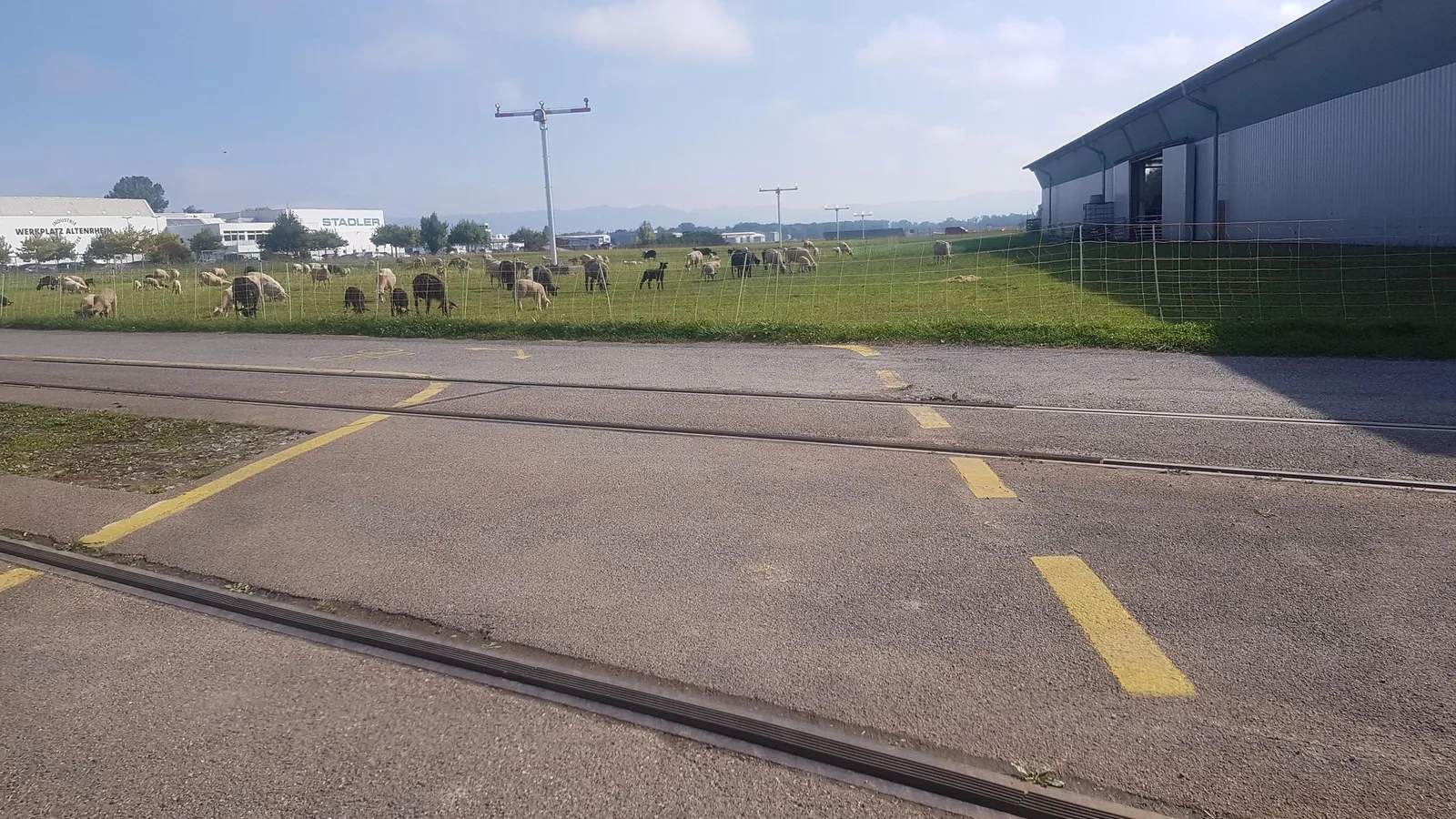
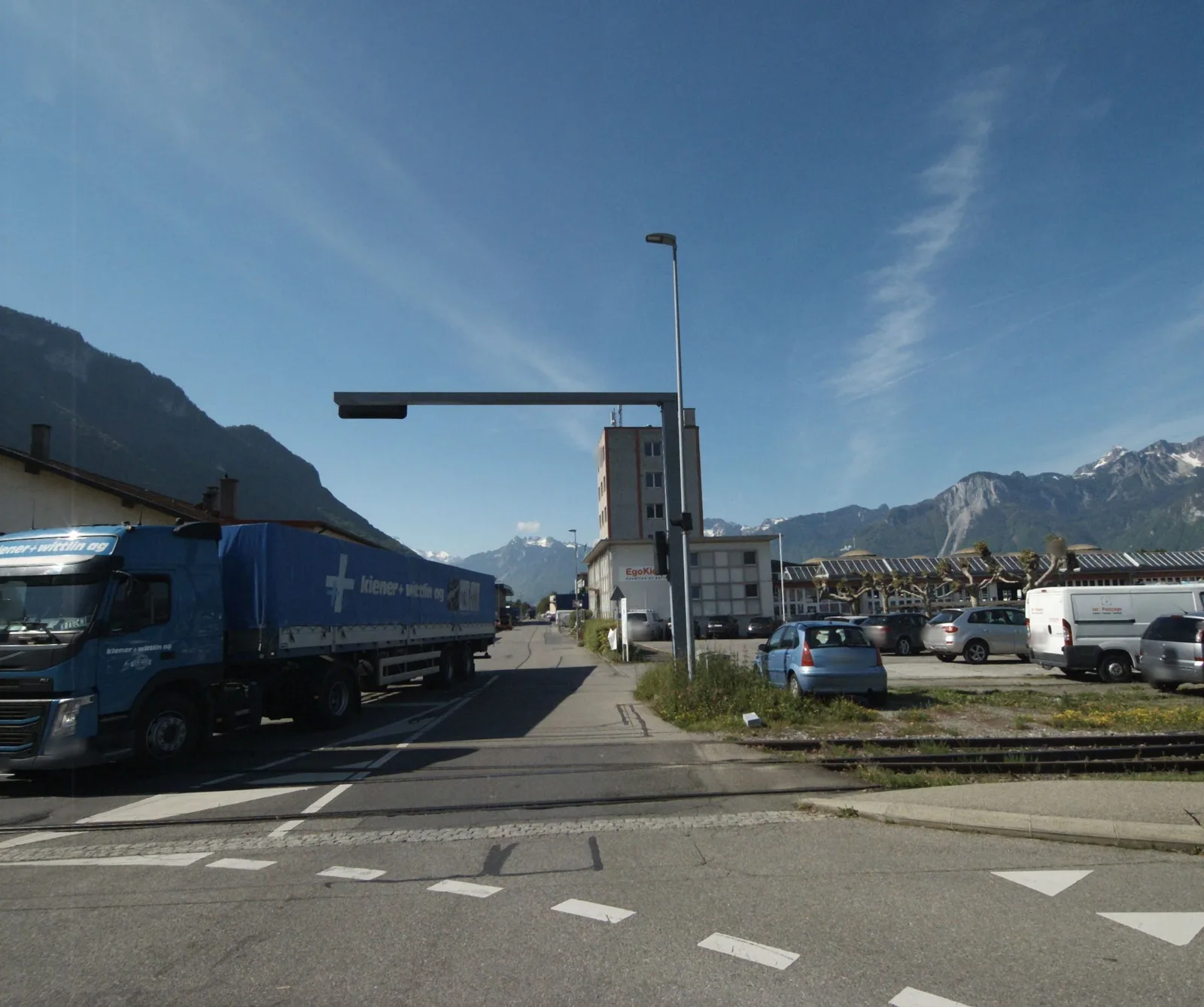
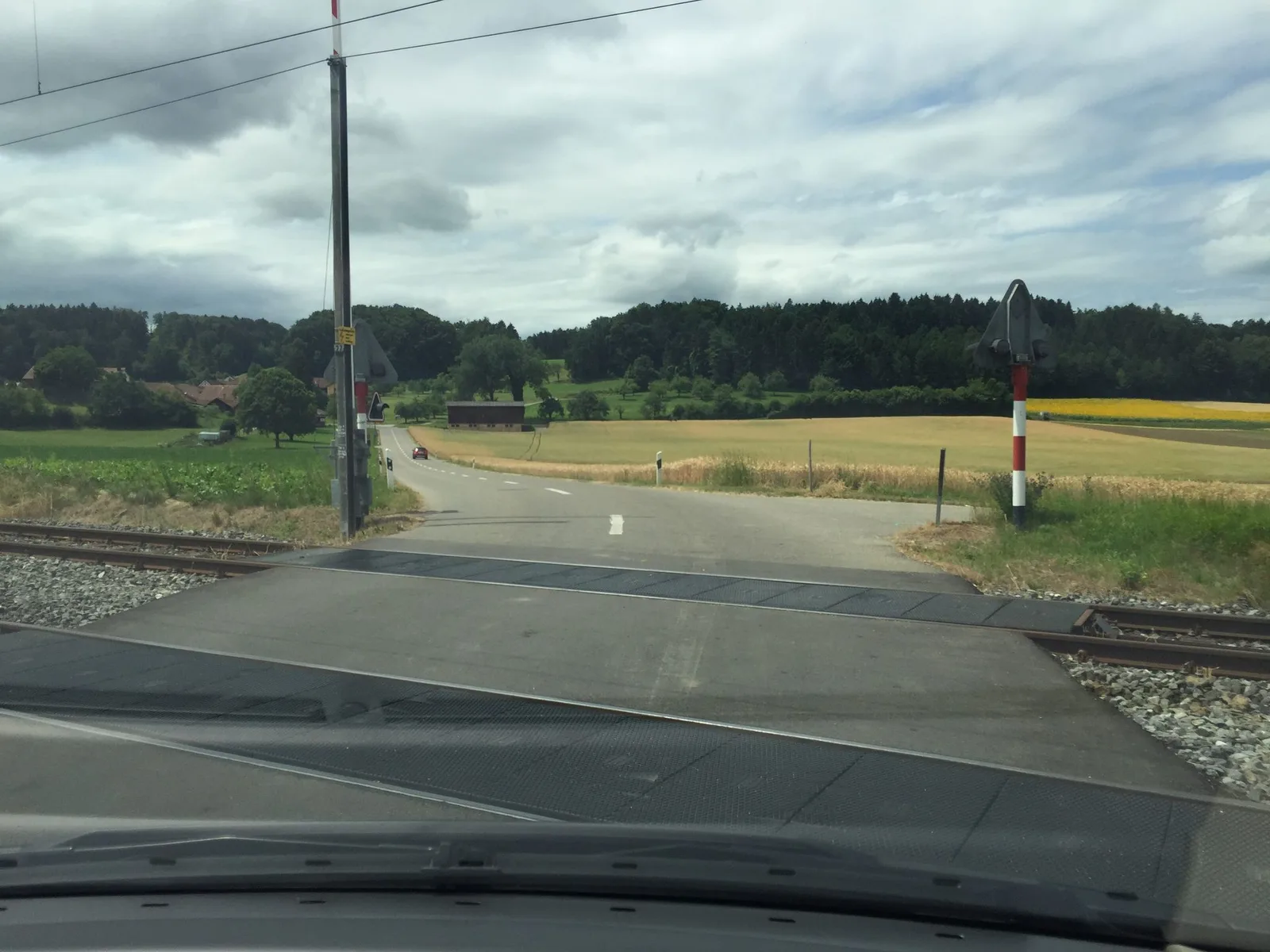
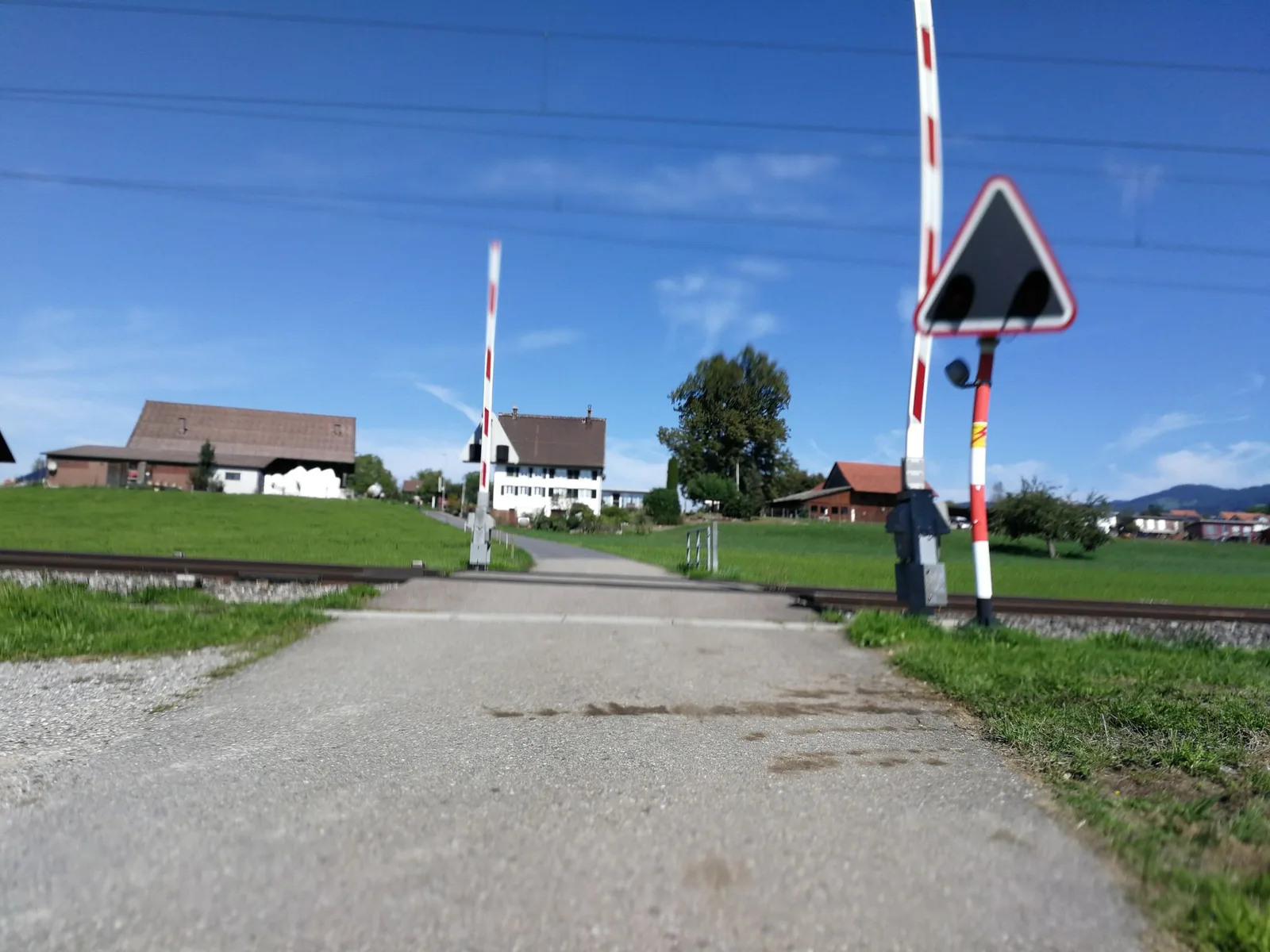
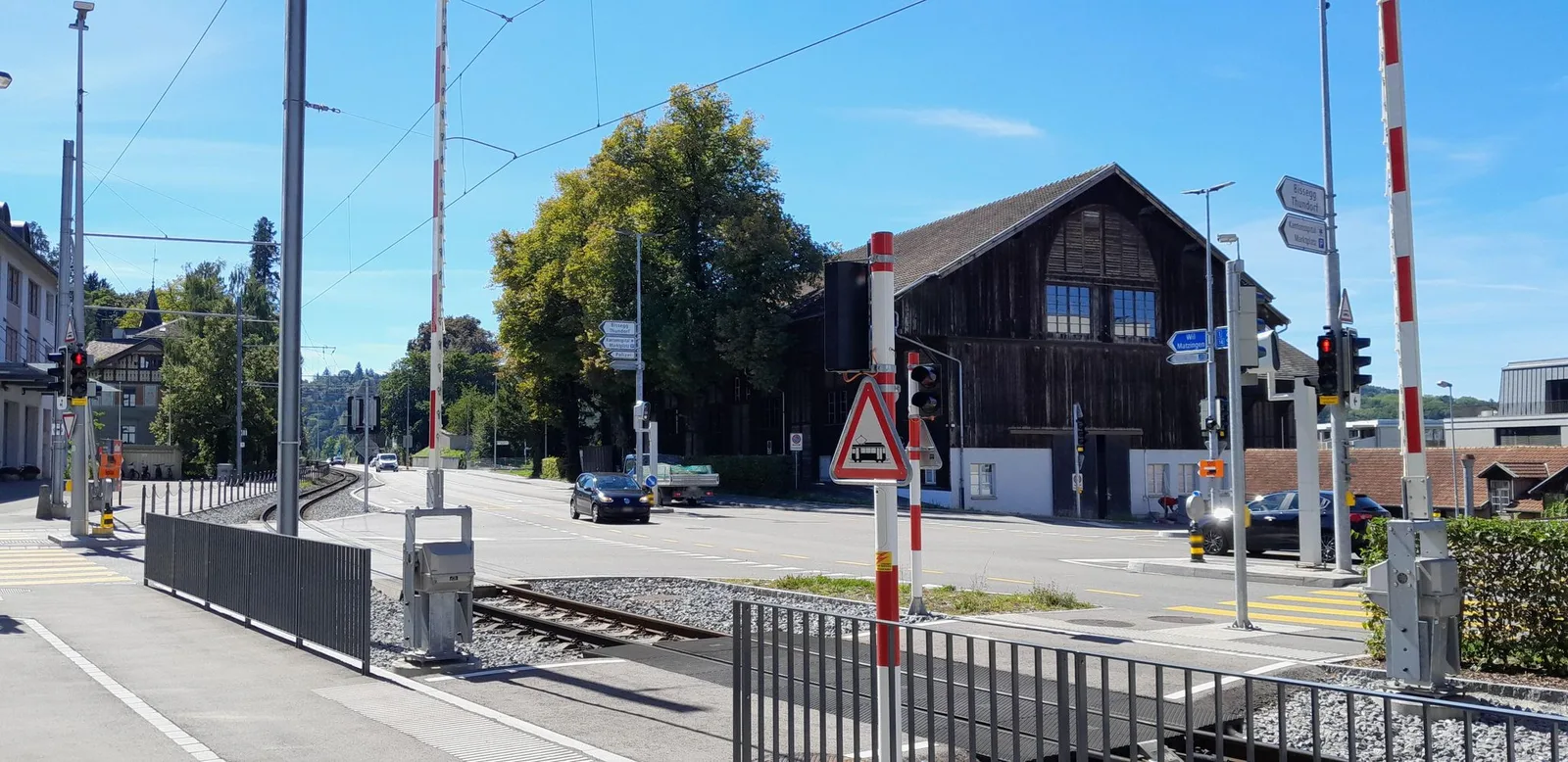
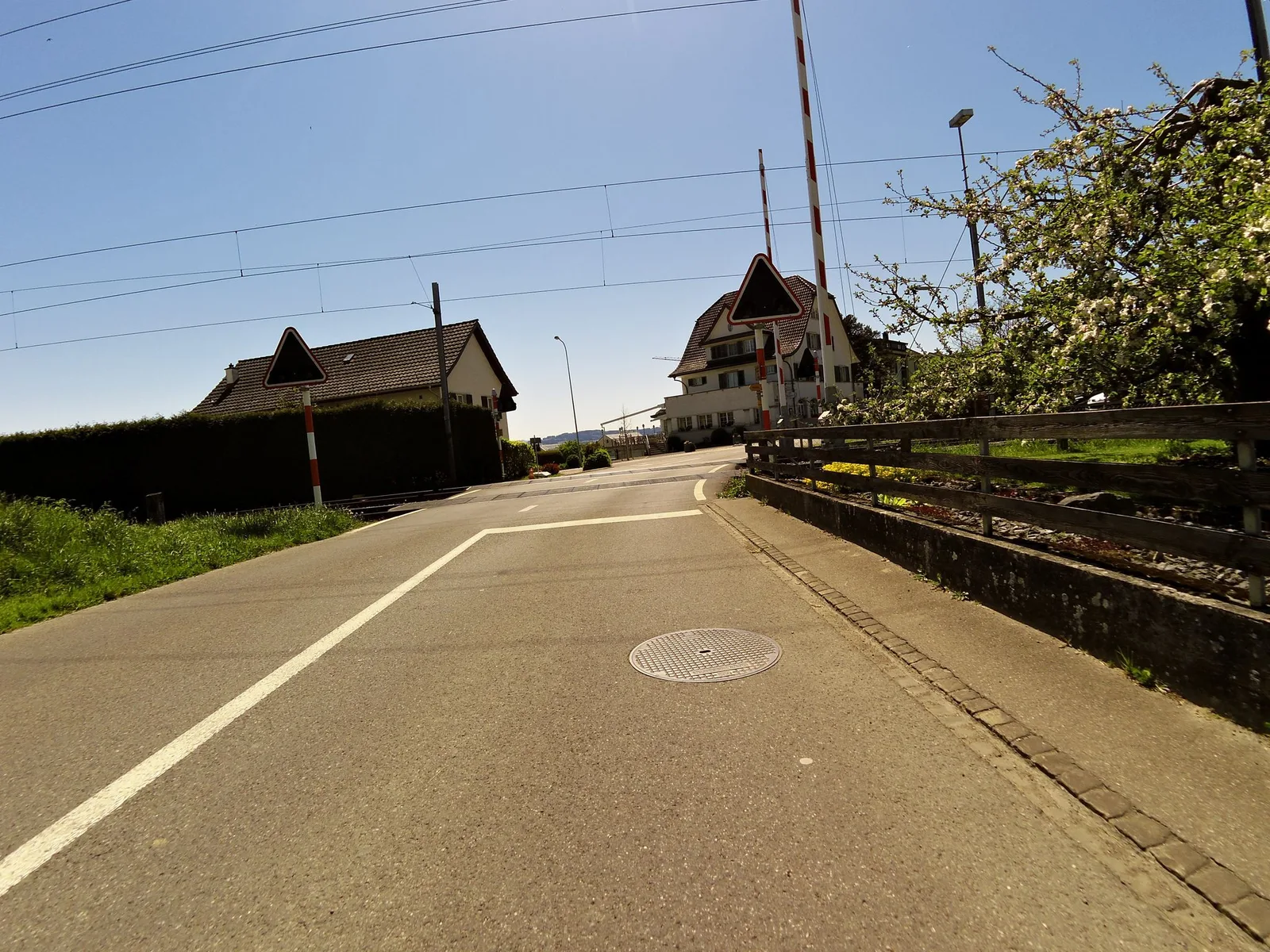
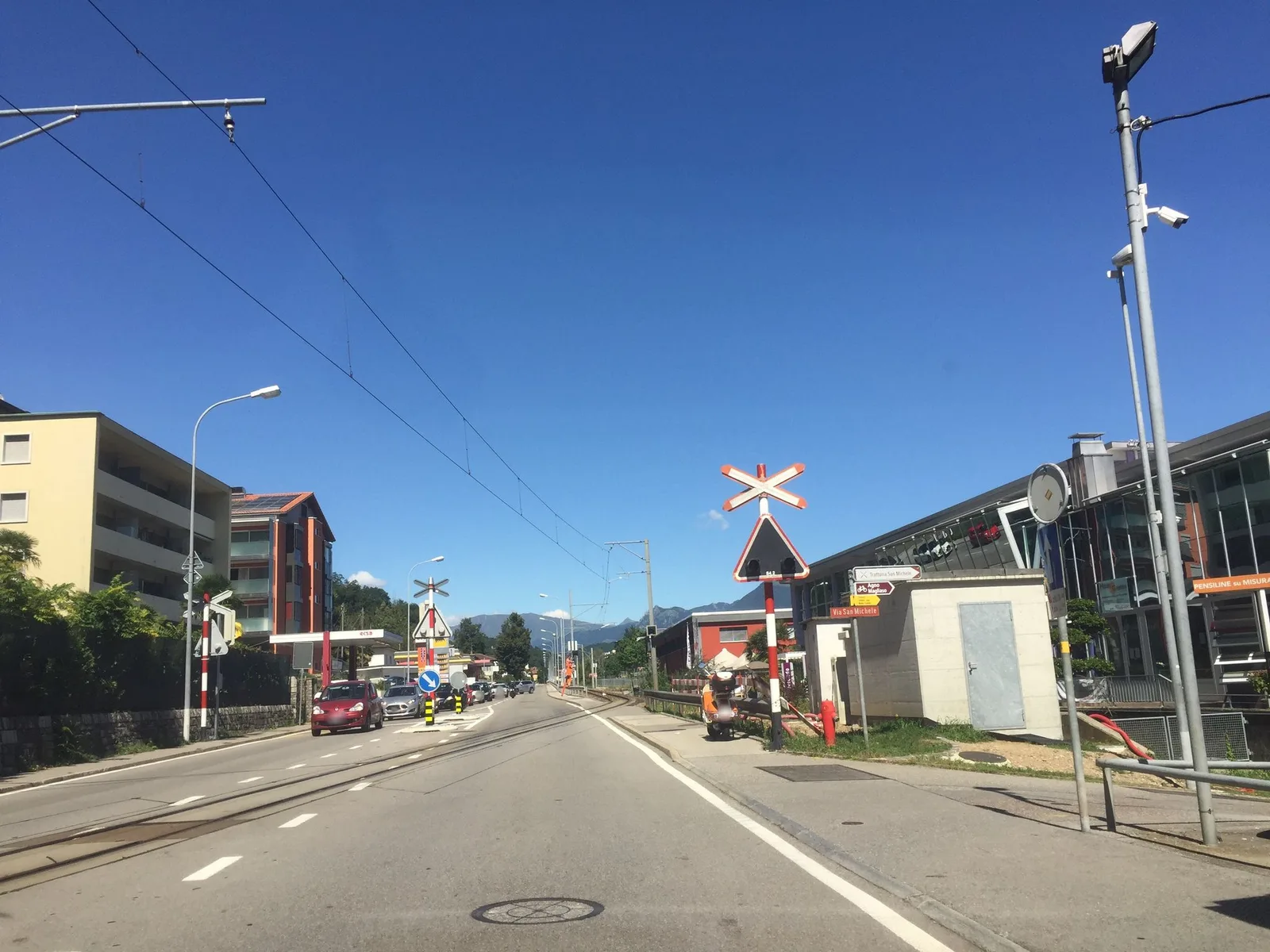
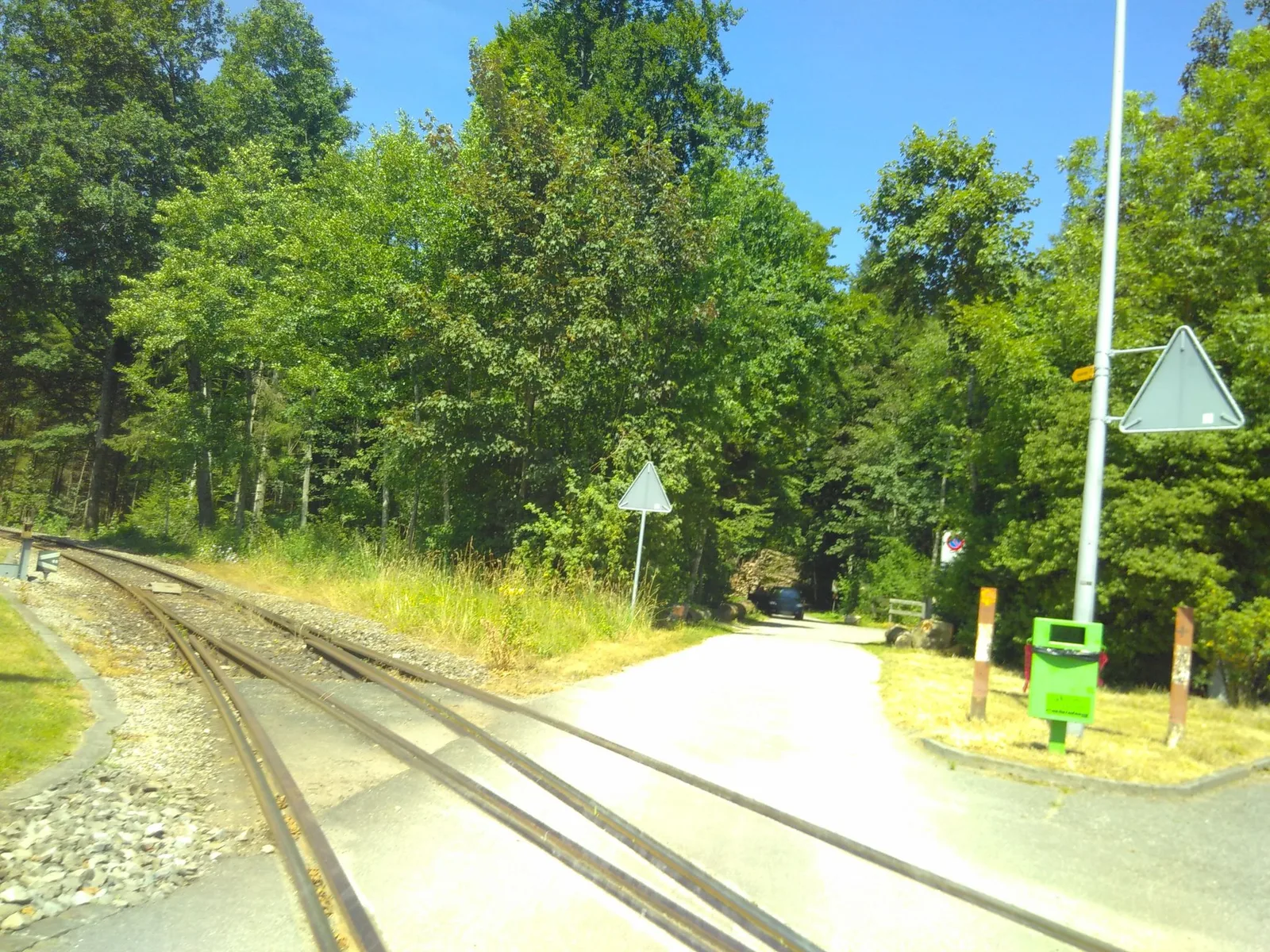
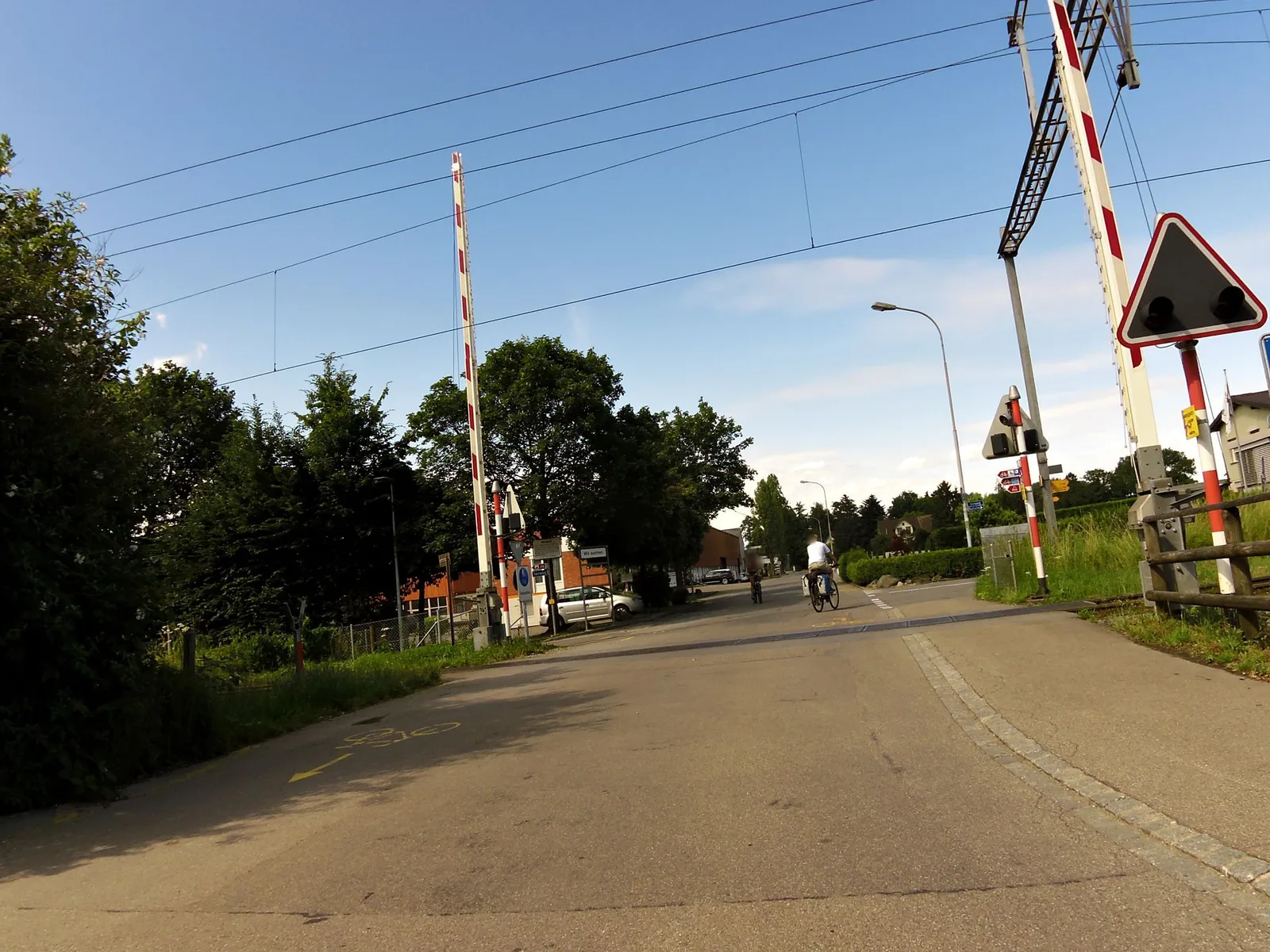
The nine street-level views below show crossings across Switzerland, where local settings vary widely.
2. SBB, the BAV and the SUST
SBB, the dominant infrastructure manager, runs the removal and modernisation work and reports on the network it operates [1, ↗].
The Bundesamt für Verkehr (BAV), based in Bern, is the federal safety authority. It evaluates each crossing during the planning-approval procedure and publishes the national safety report [1, ↗] [2, ↗].
The Swiss Transportation Safety Investigation Board (SUST) investigates accidents independently. It examines the causes of accidents to feed safety learning back, separately from the safety authority and the operators [6, ↗]. BLS, SOB, RhB and the metre-gauge and tram operators run their own networks, while passenger and freight services operate over the SBB infrastructure.
3. A prescriptive regime under the EBV
Switzerland sets the required protection for each crossing through prescriptive regulation. Under Articles 37 to 41 of the EBV (Eisenbahnverordnung) and the implementing AB-EBV, the protection level follows from road traffic volume, rail frequency, line speed, sight distances, crossing geometry and operating mode [3, ↗] [4, ↗]. The BAV assesses each crossing case by case during planning approval, and a new securing-systems guideline enters force on 1 May 2026 [1, ↗].
The rule weighs traffic, speed and the local conditions at the crossing. Beyond those, the road environment, land use and the route the crossing carries between the places on either side belong to a separate reading.
4. The 2003 to 2014 renovation and what followed
Under the 2003 revision of the EBV, railways had until 31 December 2014 to close or upgrade every non-compliant crossing [3, ↗]. SBB met the deadline, closing or upgrading its last crossings and fitting low-cost Vamos detection systems at the final 45 [8, ↗] [9, ↗].
Since then, the stock has fallen incrementally as closures and grade separations follow line upgrades under the Ausbauschritt 2025 and 2035 expansion steps [1, ↗]. In 2022, one crossing received an AI computer-vision system to monitor the crossing area [7, ↗].
Removal closes the at-grade interface and moves road users, cyclists and local traffic onto another route, which brings the road authority into the project alongside SBB. A crossing decision is therefore as much an access decision as a safety one.
BAV's 2023 safety report records 14 transport fatalities, down from 33 in 2022, and places level crossing collisions within the normal range of variation [2, ↗].
5. What sits around the crossing
The EBV regime sets each crossing's protection, and SBB moves selected sites toward removal or grade separation as line upgrades allow.
SAMRoute structures that surrounding layer on a common reference, with the same geography, repeatable indicators, a regular refresh and traceable sources. It compares crossings one against another and reads each crossing site by site, beside the railway safety apparatus, for safety prioritisation as much as removal and modernisation decisions.
6. References
Infrastructure manager and open data
[1] Bundesamt für Verkehr. Bahnübergänge / passages à niveau (BAV level crossing policy page). Read
[5] SBB. Bahnübergänge, open data (per-crossing catalogue). Read
[8] Le Temps. Les CFF ont sécurisé tous leurs passages à niveau (2014). Read
[9] Schweizer Electronic. Level crossing Vamos (detection system). Read
[7] ICTjournal. La Suisse accueille un passage à niveau sécurisé par une IA (January 2022). Read
Safety authority and independent investigation
[2] Bundesamt für Verkehr. Sicherheitsbericht 2023 (BAV annual safety report). Read
[6] Swiss Transportation Safety Investigation Board. Reports, rail (SUST). Read
Legal framework
[3] Eisenbahnverordnung (EBV, SR 742.141.1) (railway ordinance, level crossing provisions, Art. 37 to 41). Read
[4] Ausführungsbestimmungen zur EBV (AB-EBV, 2024) (implementing provisions, technical protection standards). Read